Entertainment has always been an essential part of human existence. From the early days of storytelling around a fire to the immersive digital experiences of today, entertainment has evolved in ways that reflect not only technological progress but also changes in societal values, cultural shifts, and personal desires. This blog post will explore the fascinating evolution of entertainment, tracing its development from simple forms of amusement to complex, interactive experiences that define our current world.
The Birth of Entertainment: Ancient Beginnings
Entertainment, as we know it today, finds its roots in ancient civilizations. The earliest forms of entertainment were often tied to cultural rituals, religious ceremonies, and storytelling. The Ancient Greeks, for instance, were known for their theatrical performances, where plays and performances were an integral part of festivals in honor of gods like Dionysus. These performances were simple yet powerful, often touching on themes of tragedy, morality, and the human condition.
Similarly, in ancient Egypt, forms of entertainment were based around music, dance, and performances that honored the gods and pharaohs. The Romans further developed entertainment with gladiator battles and chariot races, spectacles designed not only to entertain but to display the might and power of the Roman Empire.
The Middle Ages: Storytelling and Spectacle
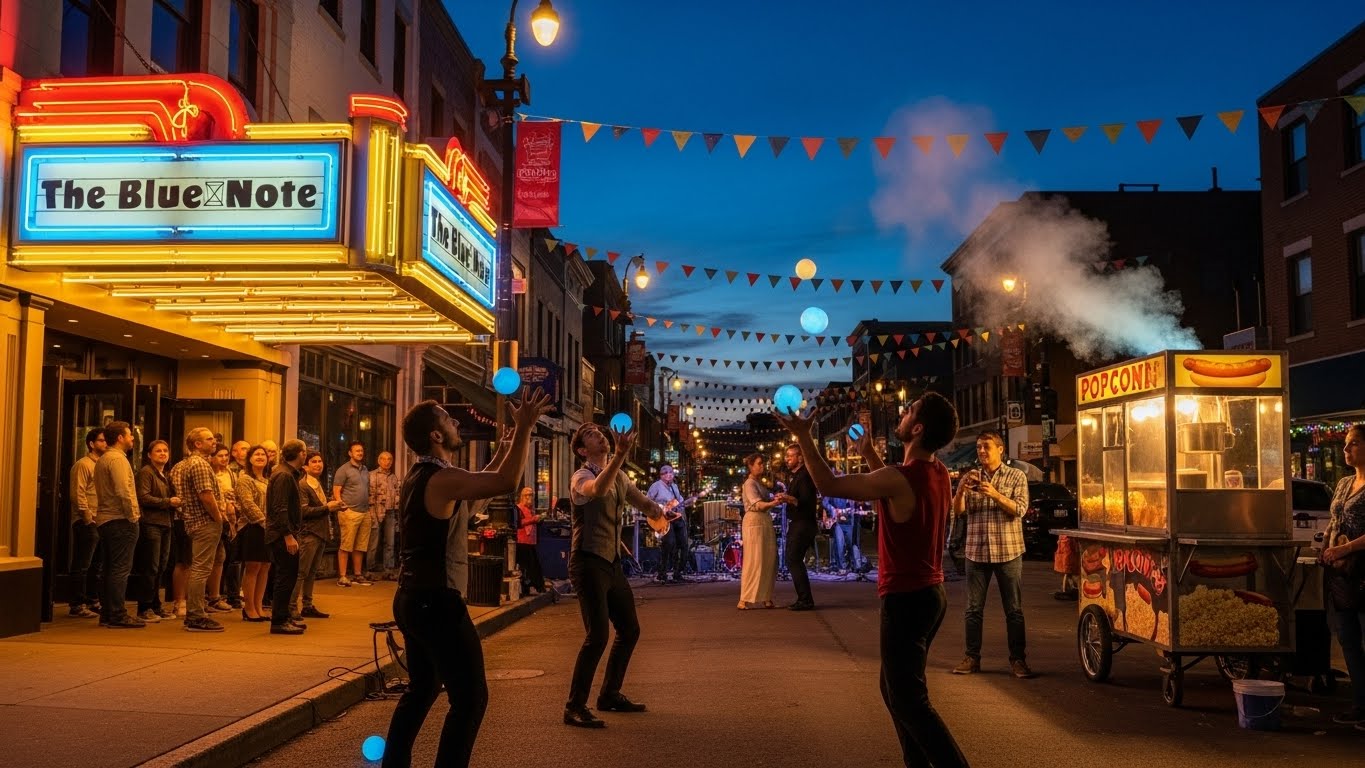
As we move into the Middle Ages, entertainment took on a more communal and localized form. Traveling performers, jugglers, and musicians entertained peasants in the village squares, while the nobility enjoyed lavish feasts and performances of chivalric tales. In Europe, theater evolved with the rise of morality plays and mystery plays, which were often performed in town squares to convey religious themes.
One of the most significant forms of entertainment during this period was the joust. Knights and nobles would engage in tournaments as both a display of skill and a form of public entertainment. These spectacles helped foster a sense of community, creating a shared experience that could unite people of various social classes.
The Renaissance: A Time of Cultural Rebirth
The Renaissance marked a turning point in the history of entertainment. It was an era characterized by a renewed interest in the arts, science, and humanism. Theatres in England, such as Shakespeare’s Globe Theatre, became the center of cultural activity. Shakespeare’s works, full of drama, comedy, and history, reflected the growing complexity of human emotions and the importance of individual identity.
Meanwhile, in Italy, the opera was born, combining music, theater, and art to create an immersive, highly stylized form of entertainment. The Renaissance was also a time of innovation in the world of visual arts. Artists like Leonardo da Vinci, Michelangelo, and Raphael created works that would go on to become timeless masterpieces, shaping how we appreciate visual culture to this day.
The Industrial Revolution: Mass Entertainment
The Industrial Revolution brought about a major shift in how entertainment was produced and consumed. The mass production of books, newspapers, and magazines meant that literature could be distributed to a broader audience than ever before. This era also saw the rise of the first public theaters and the beginning of what we now consider “mass entertainment.”
With the invention of the printing press in the 15th century and the rise of literacy, books became more accessible. This led to a boom in the publishing industry, with authors like Charles Dickens and Leo Tolstoy captivating millions with their novels. These literary works were widely distributed, allowing for the spread of cultural ideas and entertainment.
In the late 19th century, with the advent of cinema, entertainment entered a new phase. The motion picture industry began to develop in the United States and Europe, and films quickly became a popular form of entertainment. Silent films, such as those starring Charlie Chaplin and Buster Keaton, captivated audiences with their visual humor and storytelling techniques. The invention of sound in films (the “talkies”) during the 1920s revolutionized cinema, making it even more appealing and accessible.
The 20th Century: The Golden Age of Entertainment
The 20th century ushered in a golden age for entertainment, as innovations in radio, television, and film changed the way people experienced culture. The radio became a staple in households across the globe, offering everything from music to news to dramatic serials. In the early days of radio, people would gather around the family radio to listen to broadcasts of famous programs like “The Shadow” and “War of the Worlds.” The communal nature of radio created a shared experience among listeners.
Television, however, would eventually dominate the 20th century. The invention and commercialization of television brought entertainment directly into people’s homes. In the 1950s and 1960s, sitcoms, dramas, and variety shows became prime-time entertainment for families. Shows like “I Love Lucy,” “The Twilight Zone,” and “The Ed Sullivan Show” captured the collective imagination and became part of the cultural fabric of the time.
The film industry also experienced rapid growth. Hollywood became the epicenter of global entertainment, with stars like Marilyn Monroe, Humphrey Bogart, and James Dean becoming household names. The film industry underwent its own transformation, with the rise of special effects and the blockbuster movie, represented by films like “Star Wars” and “Jaws,” changing how audiences interacted with movies. These films were not just entertainment; they were events that brought people together in theaters to experience something larger than life.
The Digital Revolution: From VHS to Streaming
The late 20th and early 21st centuries saw a radical shift in how entertainment was consumed. The rise of personal computers, the internet, and the development of digital media completely redefined the entertainment landscape. One of the most significant changes was the advent of home video. The VHS tape allowed people to watch movies at home, revolutionizing the way films were consumed. Video rental stores like Blockbuster became cultural institutions, and people could now enjoy movies at their own convenience.
As the internet became more widespread, entertainment began to shift from physical media to digital formats. The introduction of DVDs and Blu-ray discs offered higher-quality viewing experiences, but the real game-changer was the arrival of streaming services. Platforms like Netflix, Hulu, and Amazon Prime revolutionized how people consumed television and movies. No longer bound by fixed broadcast schedules or physical media, viewers could now watch their favorite shows and films on-demand, at any time and from anywhere.
In addition to streaming, the digital revolution brought new forms of entertainment such as video games, social media, and online content creation. Video games, once seen as a niche hobby, grew into a global industry, with millions of people around the world playing everything from casual mobile games to complex, story-driven franchises like “The Last of Us” and “Red Dead Redemption.” Platforms like YouTube and TikTok enabled individuals to become content creators, sharing everything from personal vlogs to highly produced entertainment.
The Future of Entertainment: Virtual Reality, AI, and Beyond
As we move into the future, entertainment continues to evolve. One of the most exciting developments is the rise of virtual reality (VR) and augmented reality (AR), which promise to completely redefine how we experience entertainment. VR headsets like the Oculus Rift offer immersive experiences where users can feel as though they are physically inside a video game, a film, or a virtual concert. AR, on the other hand, enhances real-world environments with digital overlays, offering a new layer of interaction with both entertainment and everyday life.
Artificial intelligence (AI) is also beginning to play a role in shaping entertainment. AI can already personalize content recommendations on streaming platforms, ensuring that viewers are more likely to see shows and movies that align with their interests. As AI technology improves, it may even lead to the creation of new forms of interactive storytelling, where the audience has more control over the narrative.
The future of entertainment will likely continue to blur the lines between digital and physical realities, offering more immersive, personalized, and interactive experiences. With advancements in technology, the possibilities seem endless, and the only limit to entertainment may be the imagination of creators and the evolving desires of consumers.
Conclusion: Entertainment as an Ever-Evolving Art Form
The history of entertainment is a testament to humanity’s innate need for creativity, storytelling, and connection. What began as simple rituals and performances has grown into a multi-billion-dollar industry with infinite possibilities. From the ancient Greeks to modern-day virtual reality, entertainment has always been a mirror to society, reflecting its values, struggles, and triumphs.
As technology continues to evolve, so too will the ways in which we experience entertainment. What we know today may seem revolutionary, but tomorrow promises even more groundbreaking developments. The world of entertainment is boundless, and as it continues to evolve, it will undoubtedly inspire new forms of art, culture, and community for generations to come.