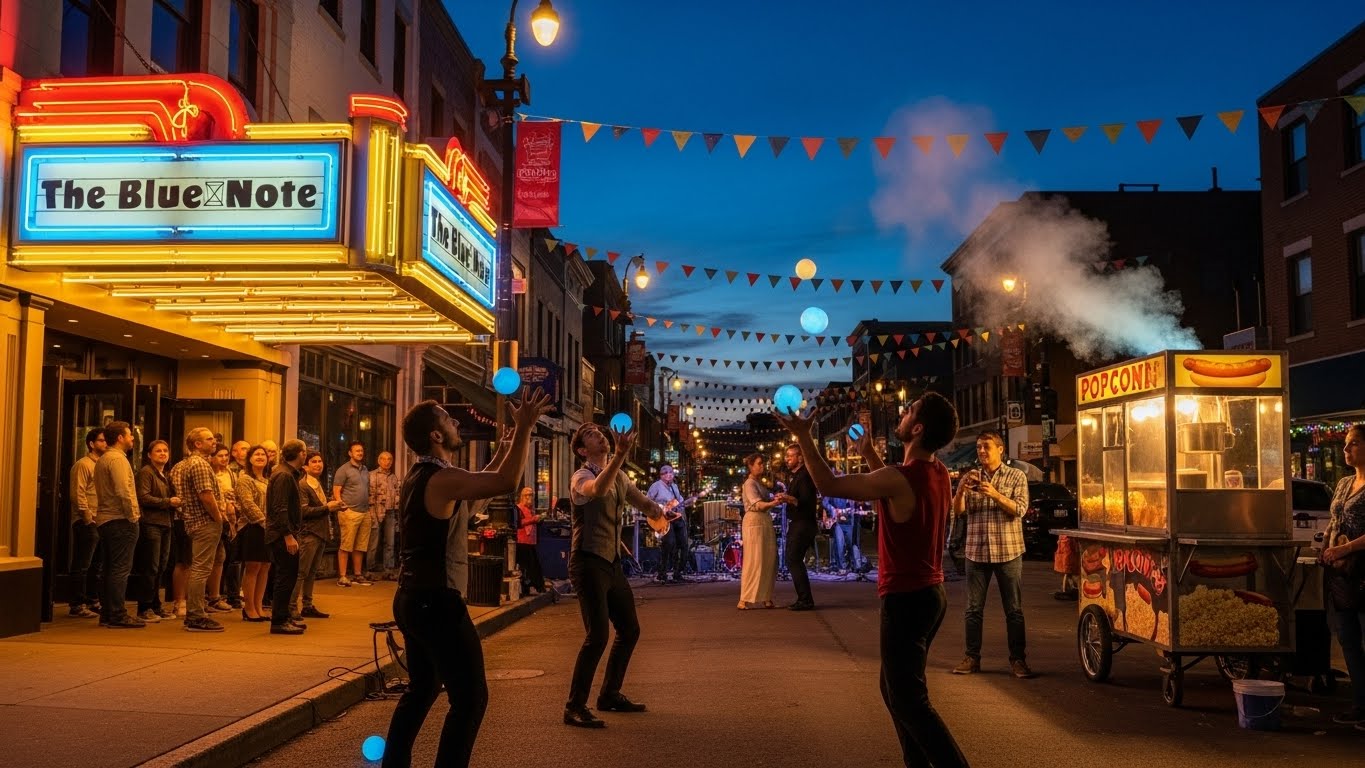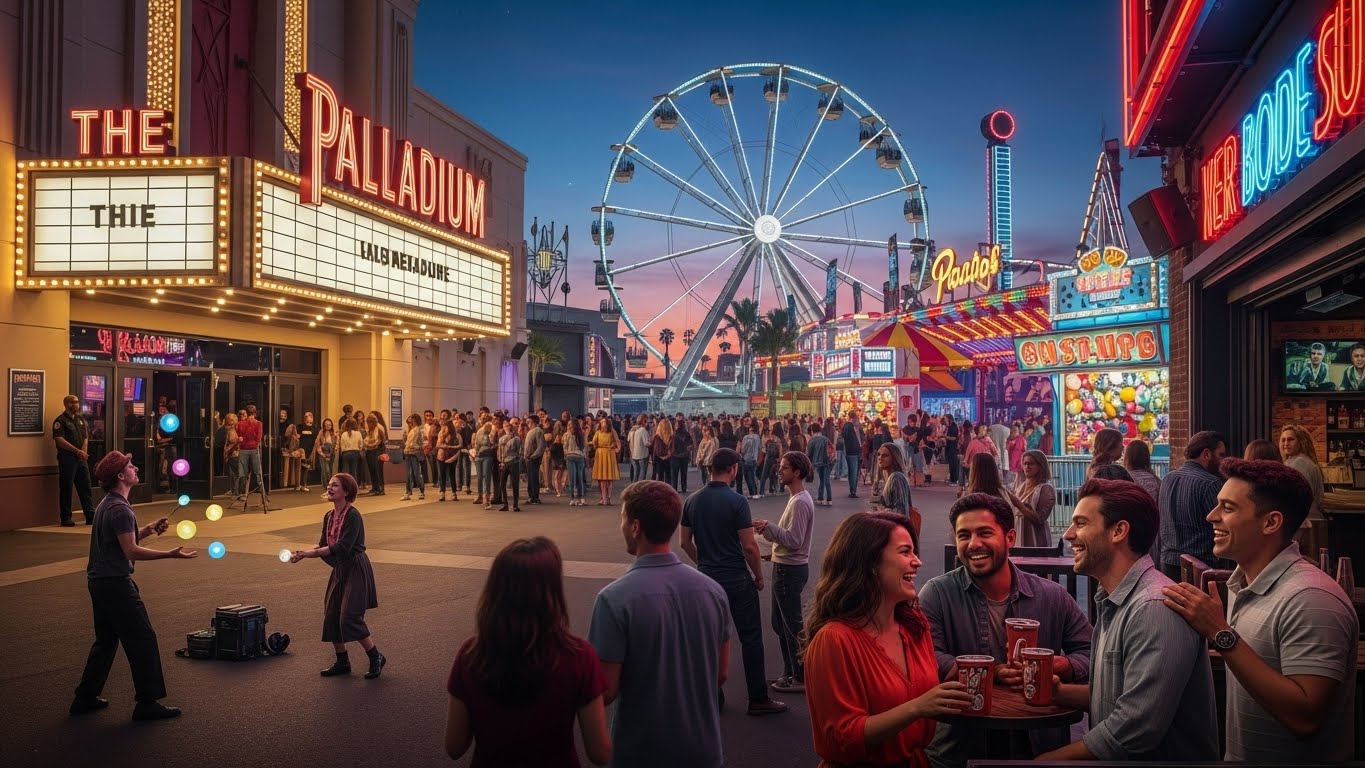
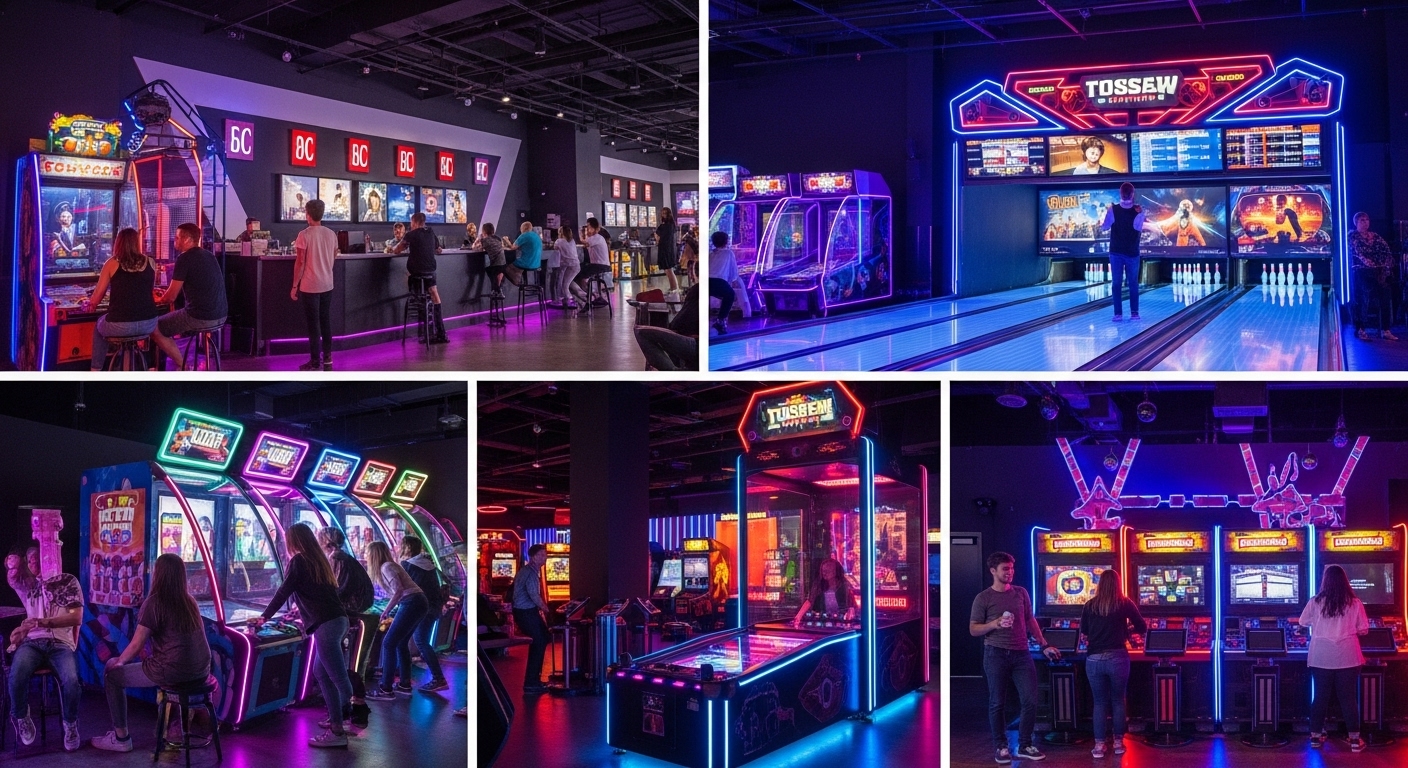
Entertainment has always been a powerful force in society, from the communal storytelling around campfires in ancient civilizations to the high-tech, on-demand entertainment we experience today. With the rapid advances in technology, changes in consumer behavior, and the global shift toward digital content, the world of entertainment is undergoing a transformation unlike any before. But what does the future of entertainment look like, and how will it continue to evolve to meet the needs of modern audiences? This blog post explores the dynamic shifts in the entertainment landscape, highlighting emerging trends, the role of technology, and how audiences are changing the way they consume content.
The Traditional Landscape of Entertainment: A Shift from Physical to Digital
Before diving into the latest trends, it’s worth reflecting on the traditional forms of entertainment that have shaped cultural norms for generations. For most of the 20th century, television, radio, and cinema were the primary means of entertainment. They were central to family gatherings, socializing, and leisure activities. Yet, as the world moves further into the 21st century, these traditional entertainment channels are no longer the sole players in the game.
The Rise of Digital Platforms
Streaming services like Netflix, Hulu, Disney+, and Amazon Prime have become dominant forces in the entertainment industry. The shift from physical media such as DVDs and Blu-rays to digital streaming has altered the way content is consumed. People no longer need to wait for scheduled broadcasts or visit video rental stores; they can watch a virtually unlimited selection of movies, TV shows, and original content at the touch of a button.
This shift to streaming has also changed the way content is produced. Original programming is now a major focus for platforms like Netflix and Amazon, who are investing heavily in unique and diverse shows. These companies have disrupted the traditional Hollywood model, where studios and networks typically controlled production and distribution.
The Social Media Revolution: The Democratization of Content Creation
While streaming services revolutionized how people consume entertainment, social media platforms have radically changed how entertainment is created and shared. Social media has allowed anyone with a smartphone or camera to become a content creator, whether through video, photos, or live-streaming events. Platforms like YouTube, Instagram, TikTok, and Twitch have given rise to influencers, creators, and brands that wield tremendous influence over what people watch and engage with online.
The Power of Social Media Platforms
Platforms like TikTok have introduced entirely new forms of entertainment. Short-form videos, viral challenges, and memes have become cultural staples, with influencers amassing millions of followers. What’s particularly unique about these platforms is that they have created a direct relationship between creators and their audiences. Users can engage with content, leave comments, share videos, and even participate in trends that transcend geographic and cultural boundaries.
As a result, social media has become a global stage for entertainment, with diverse content from around the world easily accessible to anyone with an internet connection. Furthermore, social media has disrupted the way traditional entertainment is marketed. Movies, music, and shows now rely heavily on social media campaigns to build buzz and gain traction.
Influencers and the Rise of Creator Economies
The rise of influencers has also sparked the creation of a new “creator economy,” where individuals can generate income directly from their content. Platforms like YouTube, Patreon, and Twitch allow creators to monetize their work through ad revenue, subscriptions, and donations. This has led to the rise of independent creators who no longer rely on traditional media networks to distribute their content. Instead, they can create and share content that directly resonates with their audience.
This has fundamentally changed the entertainment industry. Instead of only major celebrities and corporations controlling entertainment, everyday people can now create viral content that garners global attention. The line between “amateur” and “professional” has blurred, allowing for more diverse voices and perspectives to emerge in mainstream entertainment.
Immersive Technologies: Virtual Reality and Augmented Reality
One of the most exciting developments in entertainment is the rise of immersive technologies like virtual reality (VR) and augmented reality (AR). These technologies promise to take entertainment to a whole new level by creating interactive, lifelike experiences that go beyond passive consumption.
Virtual Reality: Escaping Into New Worlds
Virtual reality has already begun making waves in the gaming industry, where VR headsets like Oculus Rift and PlayStation VR have given players the ability to immerse themselves in digital worlds like never before. VR gaming is quickly gaining popularity, providing experiences where players can interact with their environments and make decisions that affect the game’s outcome. VR is also beginning to influence the film and television industry, allowing users to experience movies and shows in 360-degree environments. Some filmmakers have even started to experiment with creating VR-specific content that engages viewers in more interactive ways.
Augmented Reality: Enhancing the Real World
On the other hand, augmented reality overlays digital content onto the real world. While AR technology is perhaps most well-known for its use in mobile games like Pokémon Go, it is also making its way into other forms of entertainment, including live performances, theater, and museum exhibits. AR has the potential to enhance live events, concerts, and theater performances by adding digital elements that interact with the physical environment, creating a more immersive experience for audiences.
In the future, it’s easy to imagine a world where entertainment is not confined to a screen or a theater. Instead, it could blend the virtual and physical worlds in ways that make everyday experiences feel more engaging and exciting.
The Role of Artificial Intelligence in Entertainment
Artificial intelligence (AI) is playing an increasingly important role in entertainment, both behind the scenes and in the content itself. From personalized recommendations to AI-generated music and art, this technology is poised to revolutionize how content is created, curated, and consumed.
AI-Driven Content Recommendations
One of the most noticeable ways AI has impacted entertainment is through personalized recommendations. Streaming platforms like Netflix, Spotify, and YouTube use machine learning algorithms to analyze your viewing habits and suggest content that aligns with your interests. These AI-driven systems are designed to not only recommend popular shows but also surface niche content that might otherwise go unnoticed. While this has made discovering new content easier for consumers, it has also raised concerns about the potential for algorithmic echo chambers, where viewers are only exposed to content that reinforces their existing preferences.
AI-Generated Content
AI is also making its mark in content creation. AI-generated music, for example, is already being used in various industries, including advertising, gaming, and even film scoring. AI tools like OpenAI’s MuseNet and Amper Music are capable of composing original pieces of music based on user inputs. Similarly, AI is being used to generate artwork, scripts, and even deepfake videos that can simulate human behavior in realistic ways.
While these technologies raise interesting possibilities for entertainment, they also bring up ethical questions. As AI-generated content becomes more sophisticated, it may become increasingly difficult to distinguish between content created by humans and that produced by machines.
Live Entertainment and the Hybrid Experience
Although digital platforms have taken center stage in entertainment consumption, live events are still highly popular, especially in the realms of music, theater, and sports. However, live entertainment is evolving, especially in the wake of the COVID-19 pandemic, which forced many events to go virtual.
The Hybrid Model: Bridging the Gap Between Virtual and In-Person Experiences
In response to the growing demand for flexibility, many live events have adopted a hybrid model, combining in-person attendance with virtual streaming. Concerts, sports events, and theater productions are being broadcast online, allowing fans to enjoy the experience from anywhere in the world. This model not only makes live events more accessible but also expands the reach of performers and event organizers.
For example, artists like Travis Scott have held virtual concerts within video games, allowing fans to “attend” a concert in a virtual space. These events bring together the digital world and traditional live entertainment in a way that feels interactive and engaging. The future of live entertainment is likely to be a blend of both physical and virtual experiences, offering fans the best of both worlds.
The Cultural Impact of Entertainment
As entertainment continues to evolve, it remains a powerful force for cultural expression and social change. Film, television, music, and other forms of entertainment have the ability to shape opinions, bring awareness to important issues, and offer a voice to marginalized communities.
A Platform for Social Change
Over the past decade, entertainment has become increasingly political and socially conscious. Films and TV shows like 13th, The Social Dilemma, and Black Panther have sparked discussions about race, inequality, technology, and identity. Similarly, musicians have used their platforms to comment on social issues, from Beyoncé’s Lemonade to Childish Gambino’s This is America.
The growing demand for diversity and representation in entertainment has led to a more inclusive landscape, where stories from different cultures, identities, and backgrounds are being told. As the industry continues to globalize, entertainment has the potential to foster greater empathy and understanding among audiences around the world.
Conclusion: The Future of Entertainment Is Limitless
The future of entertainment is both exciting and unpredictable. From the rise of streaming platforms to the advent of immersive technologies like VR and AR, the ways in which we consume and interact with entertainment are undergoing profound changes. As technology continues to advance, we can expect even more innovative experiences that blur the lines between the digital and physical worlds.
However, amidst these changes, one thing remains constant: the human desire for connection, creativity, and storytelling. Whether through traditional media, social platforms, or virtual experiences, entertainment will continue to be an essential part of our lives, reflecting our cultures, shaping our perceptions, and inspiring us for generations to come. The entertainment landscape is vast and evolving—one thing is clear: the future is bright and full of possibilities.