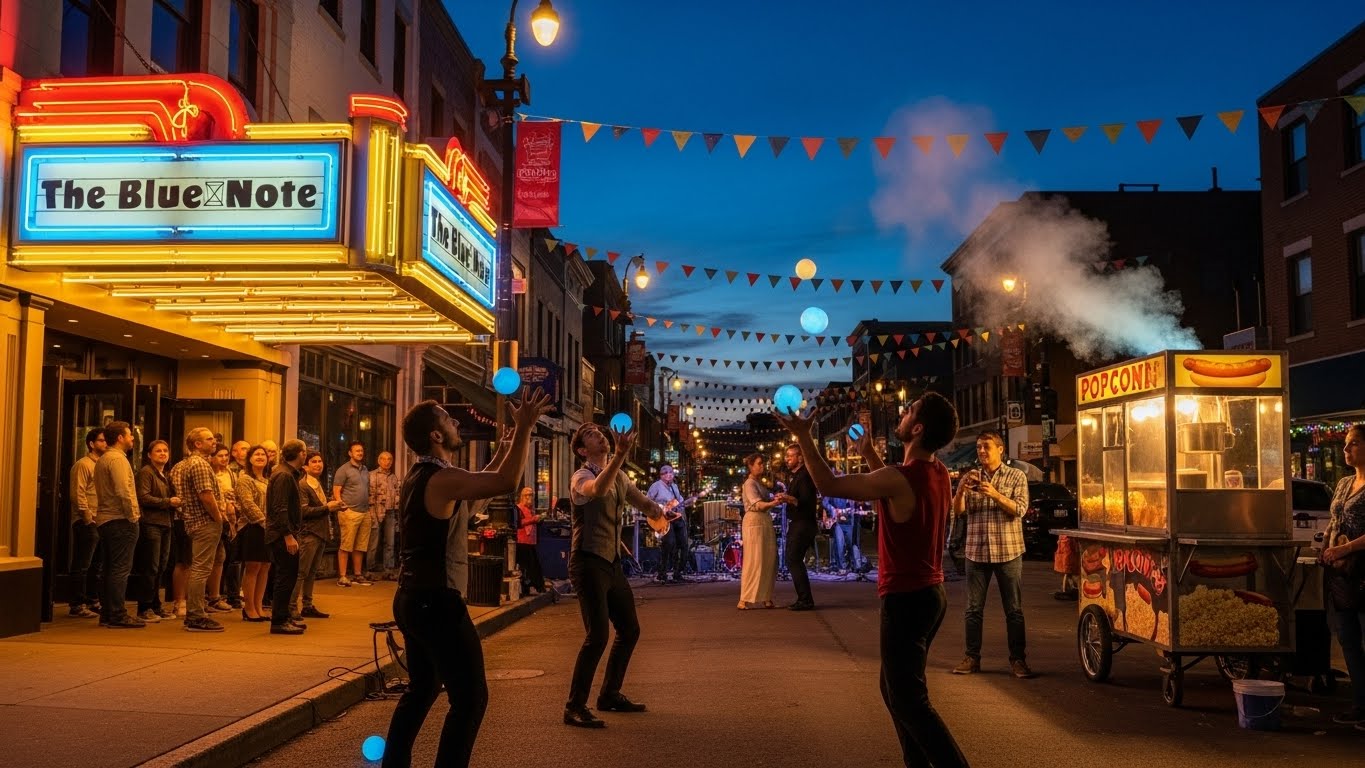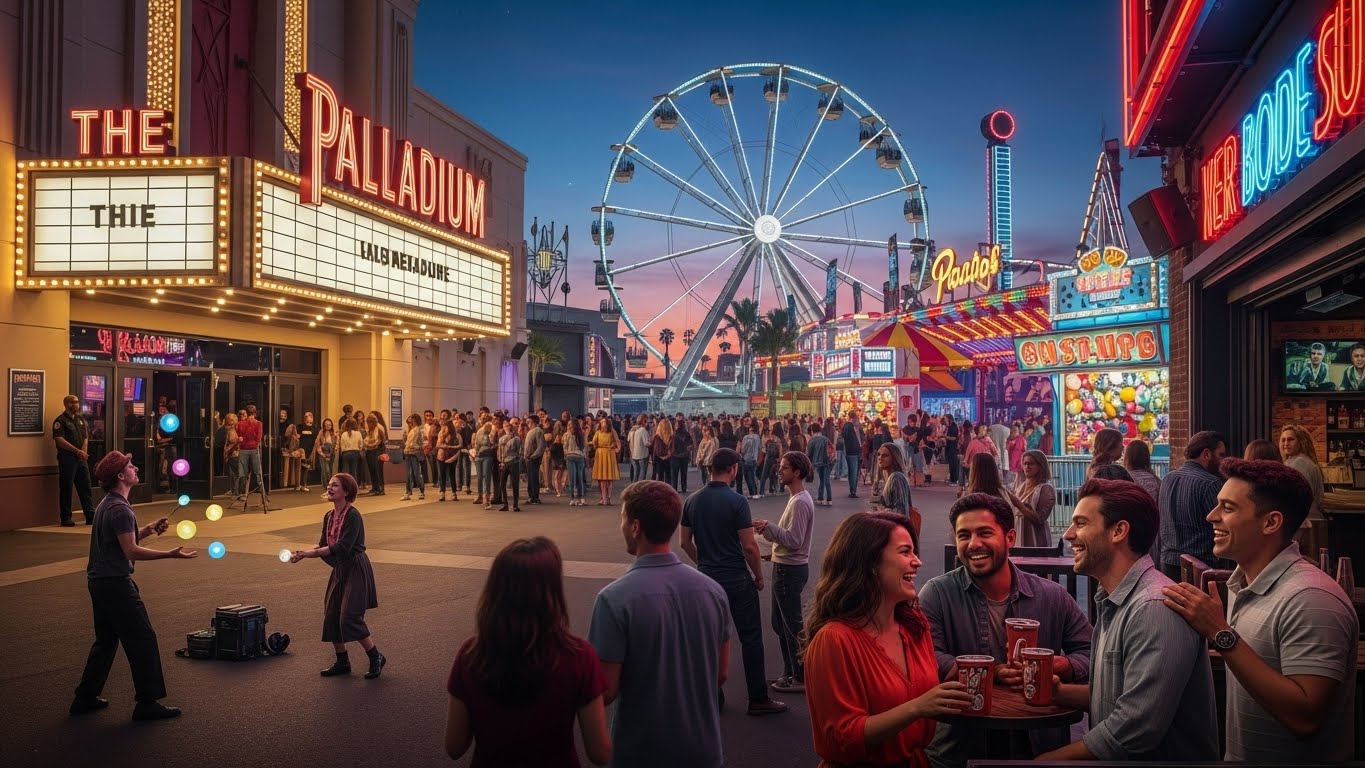
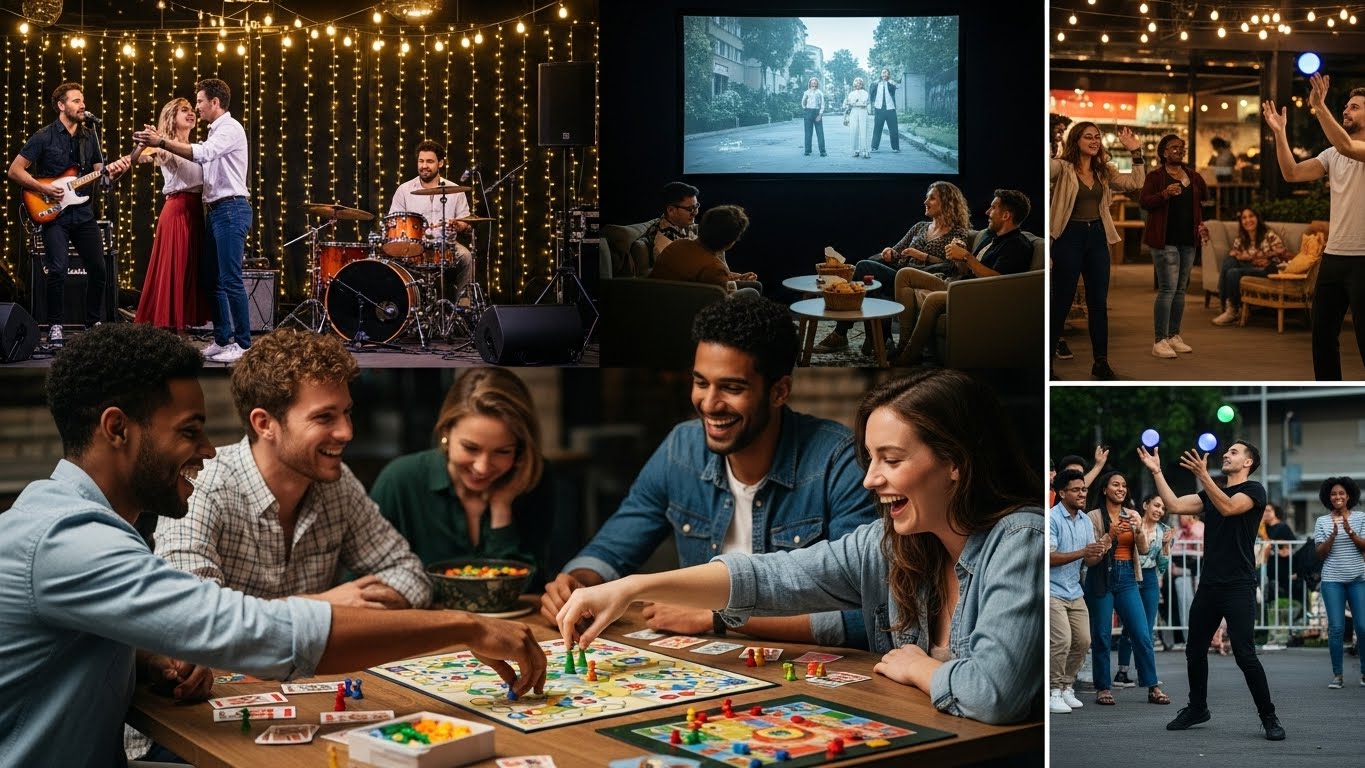
Entertainment has always been an essential part of human existence, offering not just a means of escape but also a reflection of our culture, dreams, and societal values. From ancient traditions to the digital age, entertainment in its various forms has been a source of joy, reflection, and connection. In today’s fast-paced world, entertainment is not just about passing time—it’s an integral part of our social lives, mental health, and creativity. But how did we get here, and what exactly makes entertainment so captivating in our daily lives?
In this blog post, we will explore the vast and multifaceted world of entertainment, from its origins and evolution to its current forms and its influence on modern culture. We’ll also take a look at the impact of technology, the role of entertainment in society, and the future of leisure activities in an ever-changing world.
The Origins of Entertainment: A Window into Human Nature
Ancient Forms of Entertainment
Long before the advent of television, the internet, or video games, people were finding ways to entertain themselves and others. The earliest forms of entertainment were often communal and simple, but they served a vital social function. In ancient cultures, entertainment took many forms, from music and dance to storytelling and theatrical performances.
In ancient Greece, for example, the theater was central to public life. The Greeks invented drama as a form of storytelling, and playwrights like Sophocles and Euripides created plays that were not only entertaining but also deeply philosophical. These plays were performed in large open-air theaters, with audiences coming together to experience the drama, the music, and the spectacle as a shared cultural experience. These ancient theatrical performances were not just about entertainment—they were about engaging with the moral and political questions of the time.
Similarly, in ancient Egypt, music and dance were integral to religious ceremonies and social gatherings. The concept of entertainment was tied to communal experiences, often blending art with social and spiritual life.
The Rise of Spectacle and Performance
As societies developed, entertainment became more elaborate. In ancient Rome, the Colosseum became the epicenter of gladiatorial combat and other public spectacles. While these events were violent and brutal, they were an important form of mass entertainment for the Romans, who saw them as a way to demonstrate power, entertain the masses, and honor their gods. These spectacles were massive events, with thousands of spectators attending to witness the action.
Even in medieval Europe, entertainment often took place in the form of public events like jousting tournaments, plays, and feasts. Nobles and commoners alike gathered to watch performances, hear music, and celebrate together. Theaters began to emerge in major European cities during the Renaissance, as playwrights like Shakespeare created timeless works of drama that continue to captivate audiences today.
Entertainment, at its core, has always been about connecting people. Whether through the shared experience of attending a live event or through the communal nature of storytelling, humans have always sought ways to entertain and engage one another.
The Evolution of Entertainment: The Industrial Revolution and Mass Media
The Birth of Modern Entertainment
The Industrial Revolution marked a significant shift in how entertainment was produced and consumed. Advances in technology—particularly the development of printing presses and the later invention of photography—laid the foundation for the mass media revolution. With the advent of the printing press, books, newspapers, and magazines became more widely available, giving rise to new forms of written entertainment.
As society urbanized and the middle class expanded, entertainment became more accessible to the masses. The development of photography in the 19th century brought the visual arts into mainstream culture, while early forms of cinema began to take shape. In the late 1800s, Thomas Edison invented the motion picture camera, and the world was introduced to the idea of capturing moving images. This paved the way for the birth of Hollywood in the early 20th century, where film would become one of the most influential and enduring forms of entertainment.
Radio and Television: The Golden Age of Broadcast Media
The 20th century ushered in the age of radio and television, two technologies that would radically change the landscape of entertainment. The radio, which began as a medium for news broadcasts, quickly evolved into a source of entertainment. Families would gather around their radios to listen to popular shows, from comedies and dramas to music and news broadcasts.
By the 1950s, television had become the primary form of entertainment in many households. The introduction of color TV in the 1960s and the explosion of cable television in the 1980s further expanded the range of entertainment options available. TV shows, movies, and sporting events were broadcast to millions of people around the world, creating a shared cultural experience that transcended national borders.
The golden age of television brought iconic shows into living rooms, such as “I Love Lucy,” “The Twilight Zone,” and “The Ed Sullivan Show.” These programs not only entertained but also helped to shape public opinion, influence fashion, and contribute to social change. Television became a reflection of society, capturing the zeitgeist of different eras while simultaneously shaping it.
The Digital Age: Streaming and On-Demand Entertainment
In the late 20th century and early 21st century, the rise of the internet changed entertainment once again. With the advent of digital technologies, entertainment could now be consumed on-demand, allowing people to access movies, TV shows, music, and videos at their convenience. The growth of the internet and the rise of platforms like YouTube and later Netflix, Amazon Prime, and Hulu ushered in a new era of entertainment.
Streaming services have become the go-to platforms for entertainment, offering vast libraries of movies, TV shows, and original content that can be accessed anywhere at any time. The success of on-demand streaming services has fundamentally changed how we consume content. No longer are we bound by weekly schedules for TV shows or the limitations of physical media like DVDs and VHS tapes. Now, we have the ability to binge-watch entire seasons of shows in a single sitting or to listen to music on-demand through platforms like Spotify and Apple Music.
Streaming has also allowed for greater accessibility and diversity in content. Independent filmmakers, musicians, and content creators now have platforms through which they can share their work with a global audience. This democratization of entertainment has opened doors for a wider variety of voices, perspectives, and stories to be heard.
The Social Impact of Entertainment
Entertainment as a Cultural Mirror
Entertainment has always served as a reflection of society. It mirrors our values, our desires, and our fears. Throughout history, entertainment has served as a way to process complex social issues, explore human nature, and tell stories that resonate with audiences on a deep emotional level.
In many ways, popular culture—whether it’s through movies, music, or television—has shaped the way we view the world. From the civil rights movement to the rise of feminism, entertainment has been at the forefront of social change, challenging norms and sparking conversations about race, gender, and identity.
Television shows and films like “The Simpsons,” “The Cosby Show,” “Friends,” and “The Office” have not only entertained but also provided social commentary on the state of family life, relationships, and work culture. Music, too, has played a significant role in shaping cultural movements, with artists like Bob Dylan, Tupac Shakur, and Beyoncé using their platforms to speak out on social and political issues.
The Escapism Factor
One of the primary reasons people turn to entertainment is to escape from the stresses of daily life. Whether it’s through watching a movie, reading a book, playing video games, or attending a concert, entertainment offers a temporary respite from the challenges and responsibilities of the real world. This escapism is not just about distraction but also about emotional rejuvenation. For a few hours, people can live in a different world, experience new emotions, and immerse themselves in stories and adventures that they wouldn’t normally encounter.
The idea of escapism has evolved with technology. Where once we could only escape through books, movies, or plays, today, video games and virtual reality offer fully immersive experiences. The advent of VR allows players to literally step into another world, experiencing first-person adventures in ways that were once unimaginable. This deep level of engagement offers an even more potent form of escape, allowing users to live out scenarios, whether fantastical or realistic, without leaving their homes.
The Role of Entertainment in Mental Health
In addition to offering escapism, entertainment can also play an important role in supporting mental health and well-being. Studies have shown that engaging in activities like watching a favorite TV show or listening to music can reduce stress, improve mood, and even help people cope with anxiety and depression. Entertainment provides people with a way to unwind, relax, and disconnect from the pressures of everyday life, offering them a sense of comfort and familiarity.
Social media platforms, while often critiqued for their impact on mental health, can also be a source of entertainment that fosters connection and support. Platforms like Instagram, TikTok, and YouTube allow individuals to share their lives, talents, and experiences with others, creating a sense of community. For many, online communities provide an outlet for creativity, self-expression, and social interaction.
The Future of Entertainment: Trends to Watch
The Rise of Virtual Reality and Augmented Reality
Virtual and augmented reality technologies are poised to revolutionize the entertainment industry. As VR headsets become more affordable and user-friendly, entertainment experiences are becoming increasingly immersive. Video games, movies, concerts, and even theme park rides are being reimagined with VR and AR, creating entirely new ways to experience entertainment.
In the future, it’s possible that virtual reality will become as commonplace as watching a movie or playing a video game. Imagine stepping into a virtual world where you can interact with characters, explore expansive landscapes, and experience storylines in ways that were once limited to the realm of science fiction. Augmented reality, which overlays digital elements onto the real world, could also offer new ways for entertainment to blend with everyday life, allowing users to experience interactive storytelling in their own surroundings.
Artificial Intelligence in Entertainment Creation
Artificial intelligence is already beginning to play a role in entertainment creation. From AI-generated music to movies and video games, the possibilities are endless. While some may fear that AI will replace human creativity, others see it as an opportunity to enhance and expand the boundaries of what is possible in entertainment.
In the coming years, AI may become more involved in personalizing entertainment experiences. Imagine a system that recommends content based on your mood, current interests, or even your physiological state. AI could curate movies, music, and shows that perfectly fit your emotional needs at any given moment, creating a deeply personalized and engaging experience.
Interactive and Personalized Entertainment
The future of entertainment is likely to be more interactive and personalized than ever before. With advancements in AI and data analytics, entertainment providers can create experiences tailored specifically to individual tastes. Imagine a TV show where your choices influence the storyline, a video game that adapts to your playstyle, or a music playlist that evolves in real time based on your preferences.
The combination of interactivity and personalization will make entertainment feel more immersive, engaging, and responsive to the user. As technology continues to advance, we can expect new forms of entertainment that will not only entertain but also empower individuals to shape their own experiences.
Conclusion
The world of entertainment is vast, ever-evolving, and deeply intertwined with human culture. From the earliest forms of communal storytelling to the immersive digital experiences of today, entertainment has always been a reflection of who we are and where we are going. It serves as a mirror to our society, offering both escape and insight into our collective identity.
As we move forward, entertainment will continue to adapt and transform, driven by advances in technology and changes in societal values. Whether it’s through the rise of virtual reality, the power of AI-driven content, or the ever-growing world of digital streaming, the future of entertainment holds endless possibilities.
At its core, entertainment will always be about connection—connecting with others, with ourselves, and with the world around us. It’s a timeless human desire to seek out joy, laughter, and understanding, and in a world that is increasingly complex and fast-paced, entertainment remains one of the best ways to pause, reflect, and enjoy life.