
Introduction
Entertainment has always been an integral part of human culture. From the earliest cave paintings and oral stories to the grandeur of classical theater and the immersive worlds of modern gaming, humans have sought ways to connect, inspire, and escape through creative experiences. While the mediums have changed over time, the core purpose of entertainment remains constant: to captivate, engage, and evoke emotions. Today, the entertainment industry stands at an unprecedented crossroads, merging technology, creativity, and interactivity in ways that were unimaginable just a few decades ago. This blog explores how entertainment has evolved, the role of technology, and how audiences continue to reshape the landscape of fun in the twenty-first century.
The Personalization of Modern Entertainment
One of the most remarkable shifts in contemporary entertainment is personalization. In the past, people largely shared the same television programs, radio shows, or movie experiences. Today, audiences have the power to curate their own content based on individual tastes. Streaming platforms recommend movies, shows, and music based on viewing and listening habits, ensuring that each user has a unique experience.
This shift has fundamentally changed the way we interact with media. Entertainment is no longer a passive experience but an active one, where audiences select what they want, when they want it, and how they want it. Personalized content extends to gaming, virtual reality, and even live events, offering experiences tailored to individual preferences. This evolution emphasizes that modern entertainment is about creating meaningful, relevant experiences for each person.
The Global Reach of Streaming Platforms
The rise of streaming platforms has removed the geographical and temporal limitations of entertainment. A film released in one part of the world can now be instantly accessible to viewers across continents, creating a shared global experience. This accessibility has fostered cross-cultural exchanges and allowed niche content to reach audiences that were previously unreachable.
Streaming platforms have also empowered independent creators. Filmmakers, musicians, and content producers no longer need massive studio budgets or mainstream exposure to find their audience. This democratization has led to a surge in diverse voices, innovative storytelling, and unique creative visions, enriching the global entertainment landscape.
The Transformation of Music
Music has undergone a profound transformation in the digital era. Where once albums and radio dictated music trends, streaming services, and social media platforms now dominate how people discover and enjoy music. Independent artists can release tracks directly to a global audience, bypassing traditional gatekeepers. Viral challenges, music videos, and online collaborations have made music more interactive and participatory than ever.
Despite the convenience of streaming, live music continues to hold immense value. Concerts and festivals offer a communal experience, allowing fans to connect with artists and each other in ways that digital formats cannot replicate. Virtual concerts and hybrid events have further expanded access, enabling fans worldwide to experience live performances, creating a blend of intimacy and reach.
Gaming as a Mainstream Entertainment Force
Gaming has evolved into one of the most influential entertainment industries. Once considered a niche hobby, gaming now encompasses millions of players worldwide, combining storytelling, art, and technology to create interactive experiences. Modern games feature complex narratives, stunning visuals, and multiplayer components that allow players to connect and compete globally.
The rise of esports has transformed competitive gaming into a mainstream phenomenon. Professional players achieve celebrity status, while tournaments attract millions of viewers. Gaming has become not just entertainment but also a career and cultural phenomenon. Mobile and casual gaming further broaden participation, making interactive entertainment accessible to audiences of all ages and backgrounds.
Fandoms and Online Communities
Modern entertainment thrives on community engagement. Fans no longer merely consume content—they actively participate in creating and shaping it. Online fandoms produce fan art, fiction, discussions, and theories, building entire subcultures around their favorite media.
These communities wield significant influence. They can advocate for the continuation of a show, support emerging artists, or demand more inclusive representation. Social media platforms amplify this effect, allowing direct interaction between creators and audiences. The relationship has shifted from one-way consumption to collaborative engagement, where fans and creators co-create the entertainment experience.
Technology and Immersive Experiences
Technology has transformed entertainment, enabling new forms of immersive storytelling. Virtual reality allows audiences to step inside narratives, experiencing stories from a first-person perspective. Augmented reality integrates digital elements into the real world, creating interactive experiences that merge imagination with reality.
Artificial intelligence also plays a growing role. AI can assist in music production, visual effects, and even storytelling. While human creativity remains central, technology expands possibilities, allowing creators to experiment and innovate in unprecedented ways. Interactive narratives, where audiences influence outcomes and character choices, exemplify how technology has transformed passive entertainment into an engaging, participatory experience.
The Importance of Live Experiences
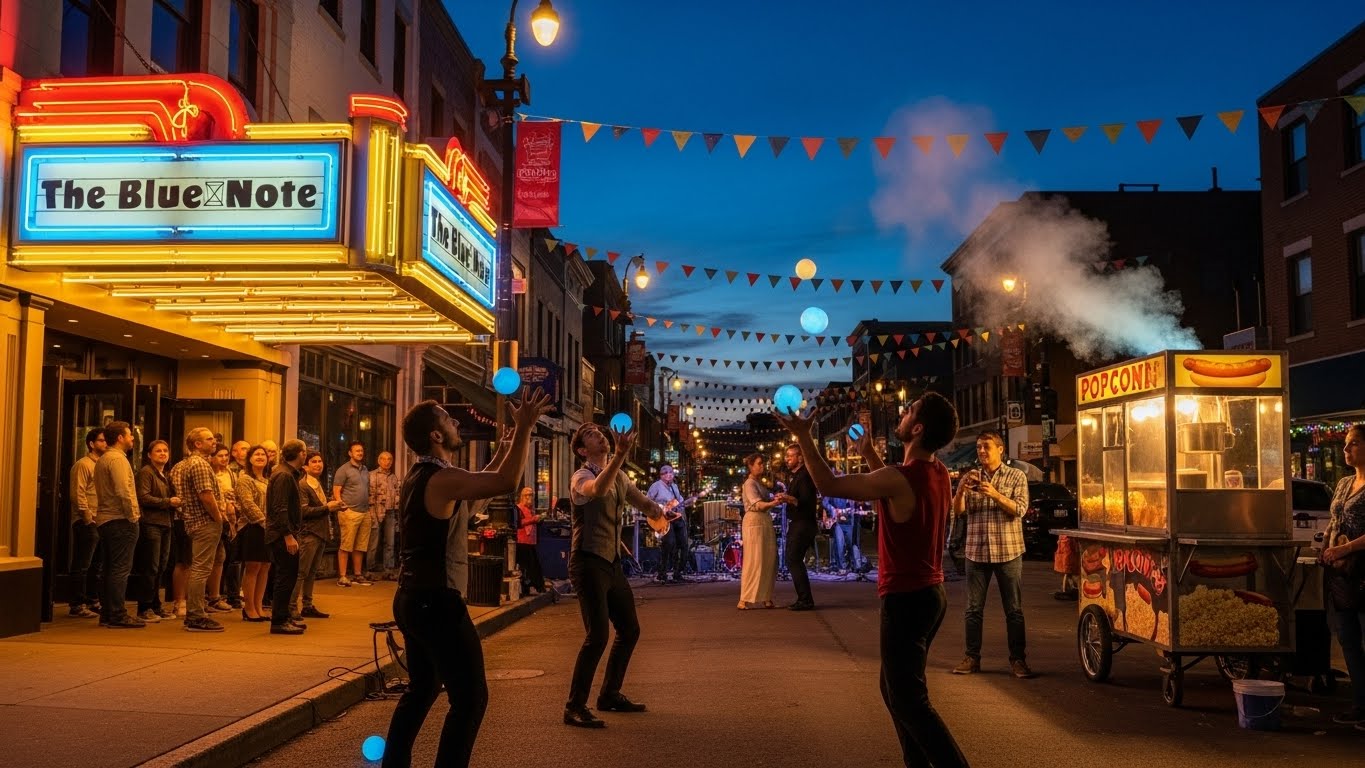
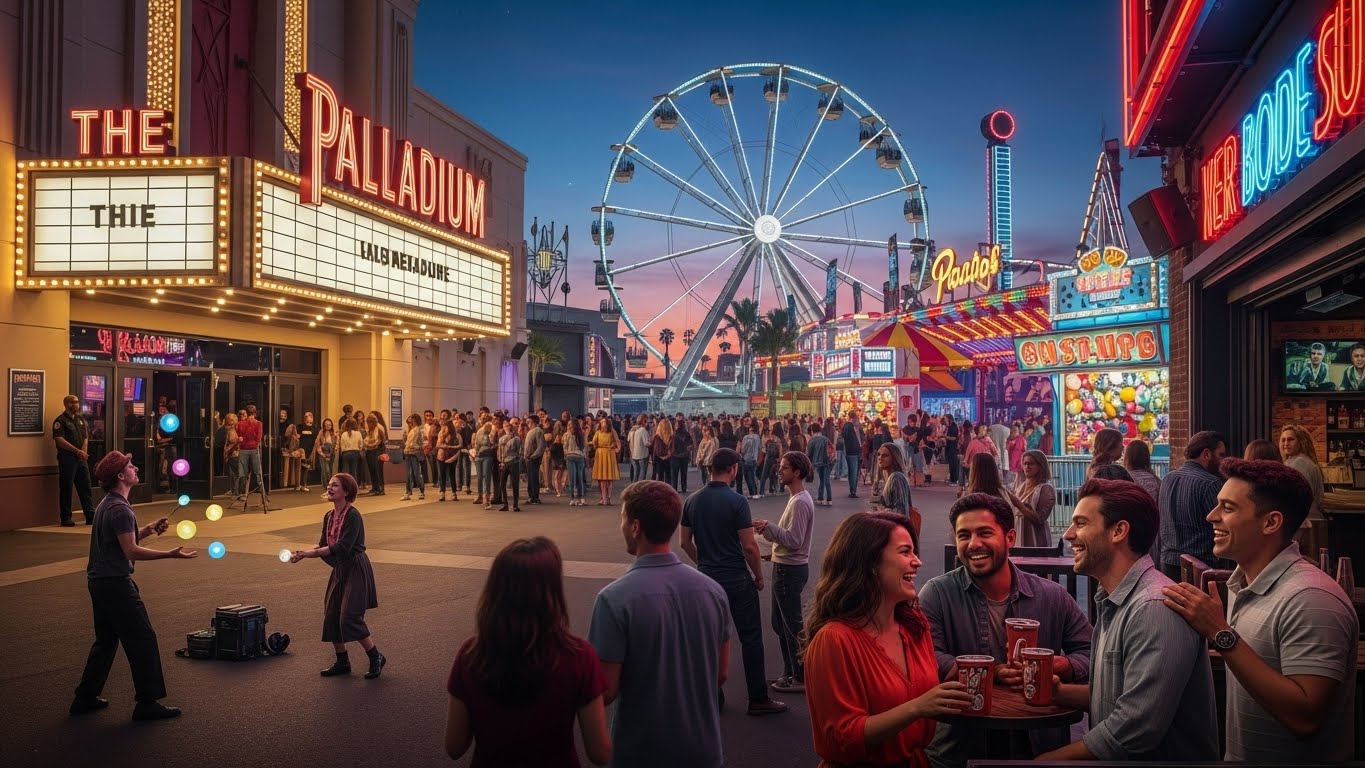
Despite the dominance of digital entertainment, live experiences remain irreplaceable. Theater, concerts, sports events, and festivals offer a sensory and emotional depth that screens cannot replicate. The collective energy of a live audience, the anticipation of a performance, and the shared experience of storytelling in real-time create memories that endure far beyond the event.
In recent years, hybrid formats have emerged, combining live presence with digital enhancements. This approach expands accessibility while maintaining the emotional impact of live events. Audiences can enjoy the excitement of a concert from home while participating in interactive elements that connect them to the experience in real-time.
The Future of Entertainment
Looking ahead, entertainment will continue to evolve, driven by technology, creativity, and audience engagement. Personalized experiences will become more sophisticated, immersive technologies will redefine storytelling, and global connectivity will encourage cross-cultural collaborations. The line between creator and audience will continue to blur, making entertainment an interactive and collaborative experience.
Yet, despite technological advancements, the essence of entertainment will remain human. Stories, music, games, and live performances are powerful because they evoke emotions, spark imagination, and connect people. Future innovations will enhance accessibility and engagement, but the fundamental goal will continue to be the same: to inspire, entertain, and bring people together.
Conclusion
Entertainment is no longer confined to simple storytelling or passive consumption. Today, it is a dynamic, interactive ecosystem shaped by technology, creativity, and audience participation. Streaming platforms, gaming, immersive experiences, and live events have redefined what it means to be entertained, offering opportunities for connection, self-expression, and cultural exchange.
As entertainment continues to evolve, it will remain a reflection of human creativity and imagination. It will challenge boundaries, explore new possibilities, and create shared experiences that resonate across generations and cultures. One thing is certain: entertainment, in all its forms, will continue to captivate, inspire, and unite humanity, ensuring that the joy of storytelling, music, and play remains an essential part of life.