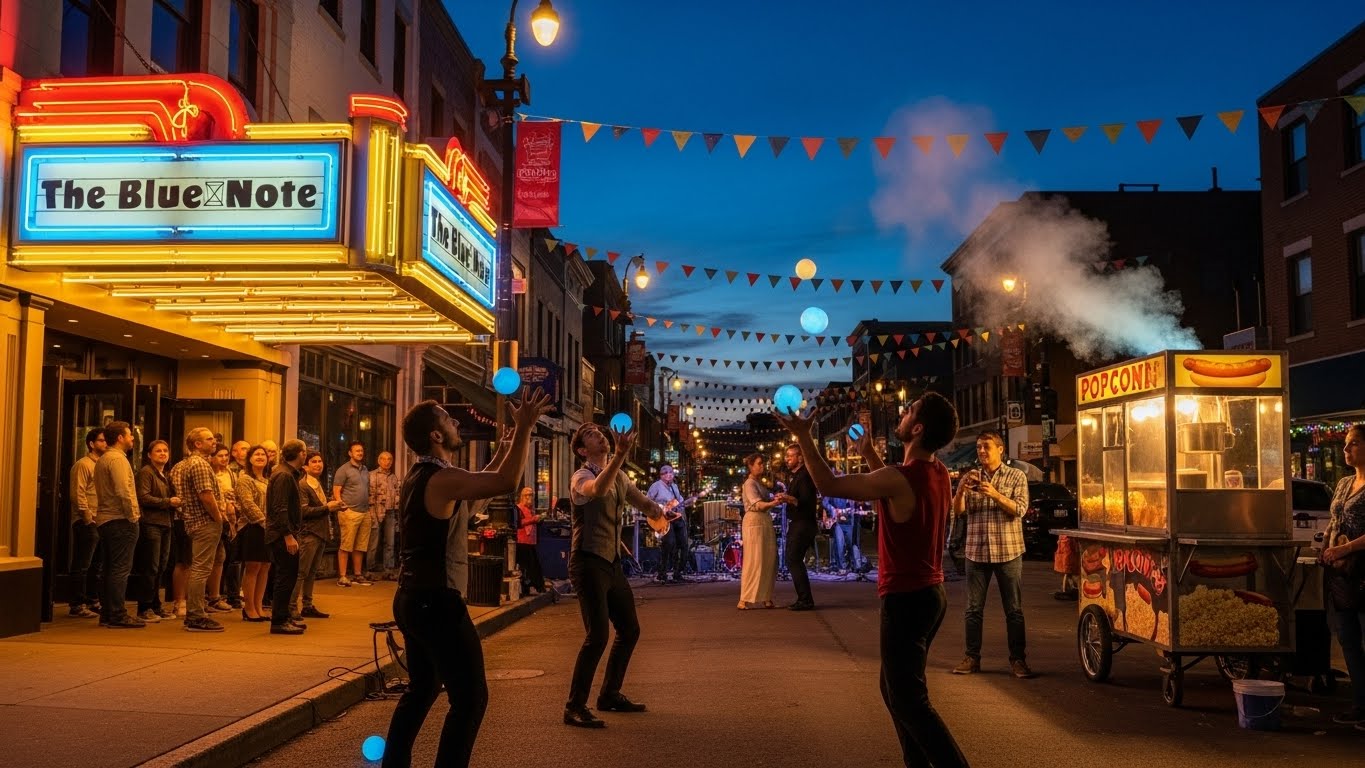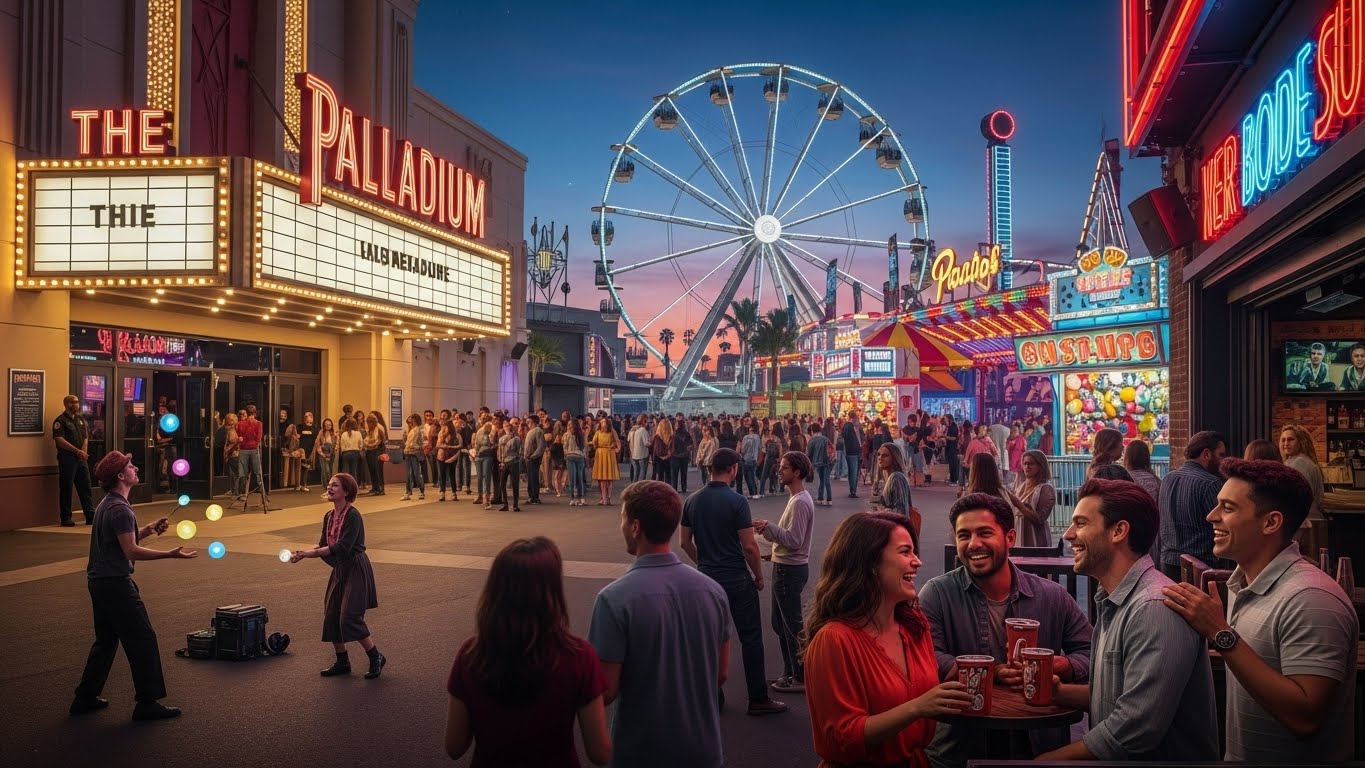
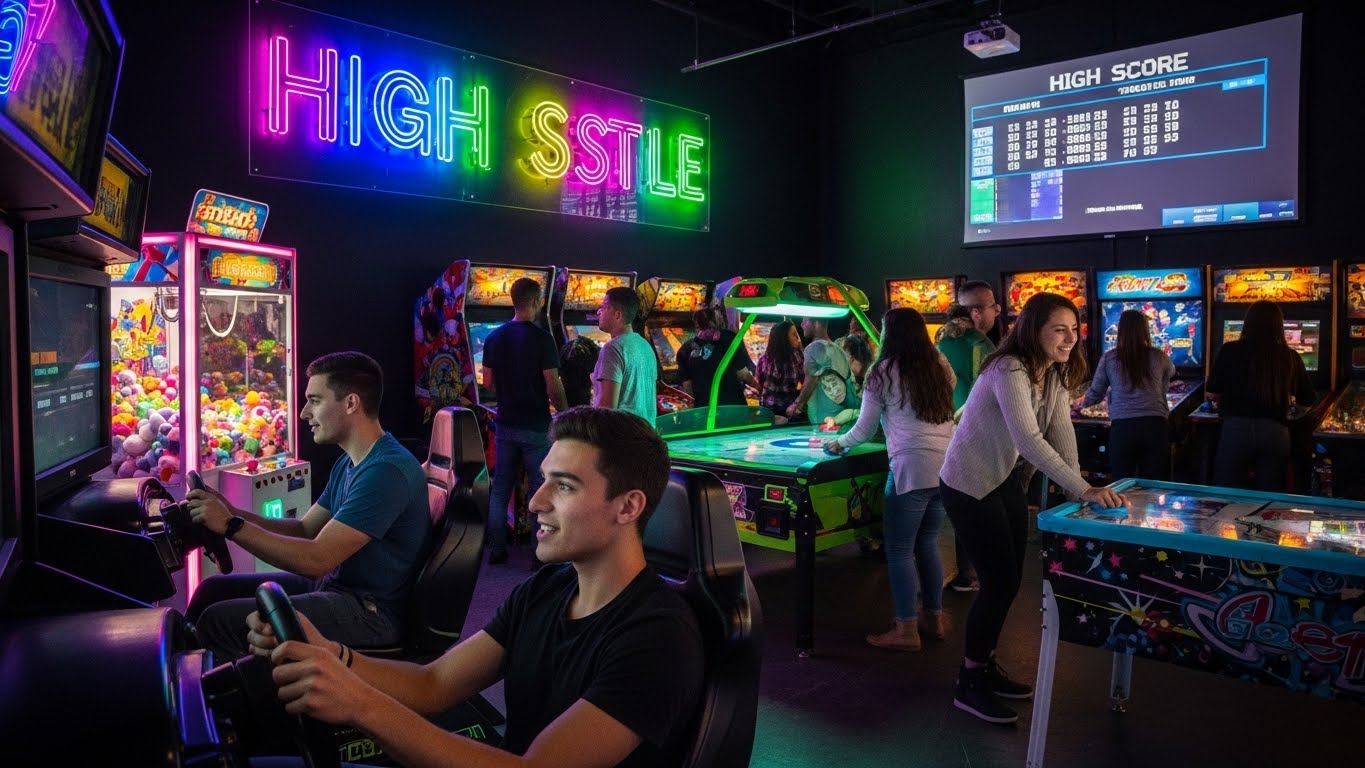
Entertainment has always been an integral part of human civilization. From the earliest cave paintings and storytelling around the fire to modern digital experiences, humans have consistently sought ways to engage, relax, and be inspired. Entertainment does more than just fill leisure time; it shapes culture, influences trends, and even affects how we think and feel. In the contemporary world, entertainment has evolved at an unprecedented pace. Technology, social platforms, and shifting audience preferences are redefining how we consume and interact with content. This blog explores the multifaceted nature of modern entertainment, its transformations, and its profound impact on our daily lives.
The Evolution of Entertainment
The story of entertainment is the story of human innovation. In the past, entertainment primarily consisted of oral storytelling, theater, and live music. Families gathered to listen to stories, plays were performed in open squares, and music was experienced collectively. Cinema brought a new dimension by combining visual storytelling with sound, while radio provided access to entertainment in every home. These experiences were largely passive; audiences were receivers rather than participants.
The digital era, however, transformed entertainment into a personalized, on-demand, and interactive experience. Today, audiences decide what to watch, when to watch, and on which device. The shift from scheduled programming to streaming platforms has democratized content consumption. People are no longer bound by location or broadcast schedules; the entire world of entertainment is available at their fingertips. This transformation reflects a deeper societal shift: audiences now value agency, choice, and immersion more than ever before.
Streaming Services and the New Era of Viewing
Streaming services are at the heart of the entertainment revolution. They have reshaped how films, series, and documentaries are consumed, making content instantly available across devices. The rise of streaming has also created opportunities for independent creators who once struggled to find distribution channels. Small-budget projects now have the potential to reach global audiences, challenging traditional Hollywood dominance.
The binge-watching phenomenon is another result of streaming culture. Viewers can watch entire seasons in a single sitting, which has influenced storytelling techniques. Writers now craft narratives that maintain tension across episodes while considering that audiences might consume content rapidly. Streaming has also changed live entertainment; concerts, award shows, and even theater performances are now streamed worldwide, breaking geographical barriers. This accessibility has made entertainment more inclusive and global than ever before.
Music in the Digital Age
Music has undergone one of the most dramatic transformations in entertainment. Once dominated by albums, physical sales, and radio play, music consumption is now largely digital and highly personalized. Streaming platforms allow listeners to create curated playlists that match their moods, activities, and lifestyles. Algorithms recommend new songs, making discovery faster and more targeted.
The digital age has empowered independent musicians, providing tools to produce, release, and promote their work without needing a major label. Fans play a direct role in shaping music trends through streaming, social media sharing, and viral challenges. Live music remains a central experience, but technology has expanded its reach. Concerts are now global events; audiences who cannot attend physically can still experience performances virtually, capturing moments to share online and relive later. Music has become both intensely personal and widely communal at the same time.
The Rise of Gaming as Entertainment
Video games have evolved from niche hobbies into mainstream entertainment, rivaling movies and television in popularity. Gaming offers something unique: interactivity. Players are not passive observers; they influence outcomes, explore worlds, and shape narratives through choices. This agency makes gaming highly immersive and emotionally engaging.
Competitive gaming and esports have further elevated gaming’s cultural significance. Professional tournaments are broadcast globally, drawing massive audiences and transforming gaming into a viable career path for talented players. Social interaction is also central to modern gaming, as online communities allow people to collaborate, compete, and form friendships across borders. Virtual reality has pushed immersion even further, enabling players to experience fully interactive digital worlds. Gaming has become more than entertainment—it is now a social and creative space where players actively shape experiences.
The Influence of Social Media
Social media has redefined entertainment by turning audiences into creators. No longer passive consumers, people now produce, critique, and share content in real time. Viral trends can elevate songs, films, or personalities overnight, giving social media immense power in shaping entertainment.
Platforms encourage participation, blurring the line between creators and audiences. Fans influence storylines, vote on outcomes, and contribute to online discussions that shape trends. Short-form content, from quick sketches to musical performances, has transformed storytelling into rapid, highly engaging experiences. Social media has also introduced a global perspective, exposing audiences to entertainment from different cultures and backgrounds, expanding tastes, and inspiring creativity worldwide.
Hybrid and Cross-Platform Entertainment
Modern entertainment is increasingly hybrid, blending online and offline experiences. Movies inspire games, games inspire series, and social media fosters original forms of storytelling. This convergence creates multi-layered experiences that stretch across platforms, allowing audiences to engage in multiple ways simultaneously.
Interactive content is at the center of this shift. Audiences participate in storylines, unlock hidden content, and solve puzzles alongside creators. Hybrid entertainment also leverages real-world and virtual events, such as concerts within video games or virtual reality adaptations of popular shows. This trend reflects a growing desire for more dynamic, participatory forms of engagement that go beyond passive consumption.
Storytelling Remains the Heart of Entertainment
Despite technological advances, storytelling remains the core of all entertainment. A compelling narrative can evoke emotions, inspire reflection, and create connections. Whether delivered through film, music, video games, or social media, stories capture imagination and give audiences reasons to invest time and emotion.
Modern entertainment may add layers of interactivity, digital effects, and personalized experiences, but the human need for stories endures. Characters, plotlines, and conflicts remain central, allowing audiences to experience empathy, excitement, and curiosity. Storytelling provides context, emotional resonance, and meaning, ensuring that entertainment continues to enrich lives, even as delivery methods evolve.
The Future of Entertainment
Looking ahead, entertainment is likely to become even more immersive, personalized, and interconnected. Emerging technologies such as virtual reality, augmented reality, and artificial intelligence will reshape how audiences experience content.
Future entertainment will likely involve greater audience participation, where fans influence storylines and interact with narratives in real-time. AI will assist creators by generating content, developing interactive characters, and designing dynamic experiences tailored to individual preferences. Globalization will continue to increase cross-cultural influences, making entertainment a shared human experience that transcends borders.
Personalization will also be a defining feature. Algorithms may adapt content based on mood, time of day, and past behavior, creating unique experiences for every individual. At the same time, hybrid entertainment will combine physical and digital elements, offering richer, multi-dimensional experiences that appeal to diverse audiences.
Conclusion: Entertainment as a Human Connection
Entertainment has always done more than amuse; it connects, inspires, and shapes society. In the modern era, technology and creativity have expanded what is possible, offering immersive, interactive, and personalized experiences. Streaming services, music platforms, gaming, social media, and hybrid formats have transformed the landscape, giving audiences unprecedented access and influence.
Yet the essence of entertainment remains unchanged: storytelling. The ability to captivate, engage, and evoke emotions is what makes entertainment timeless. As technology continues to evolve, entertainment will remain a reflection of human imagination, creativity, and our desire to connect with one another. Whether through music, films, games, or digital experiences, entertainment will continue to shape lives, culture, and the ways we understand the world around us.