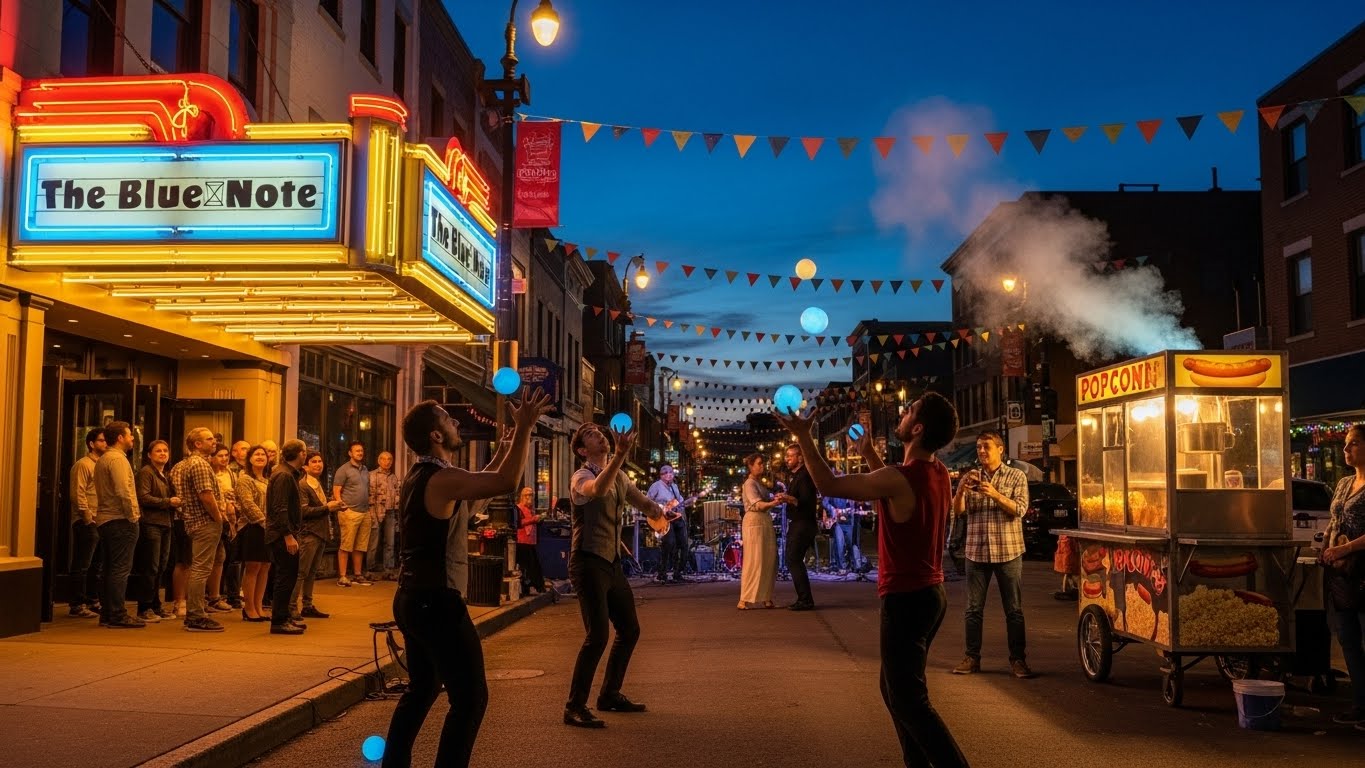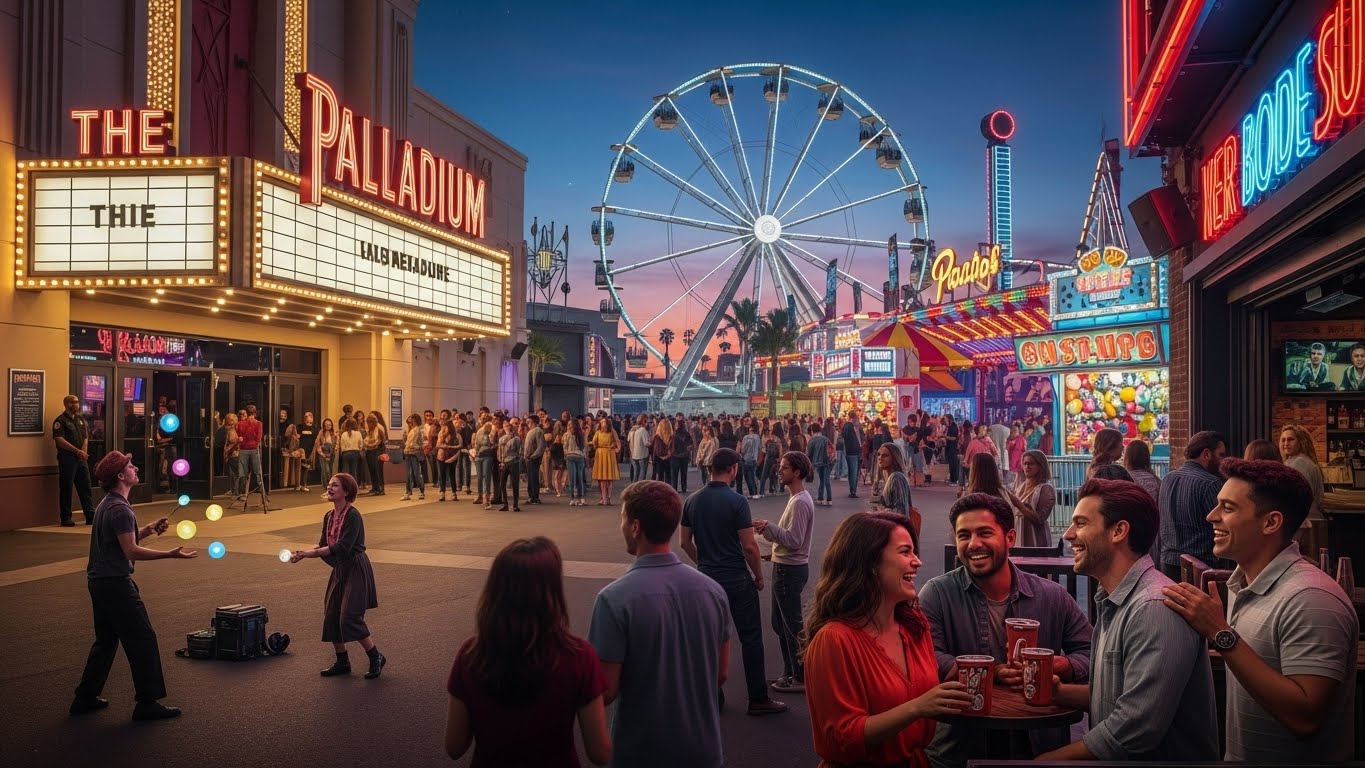
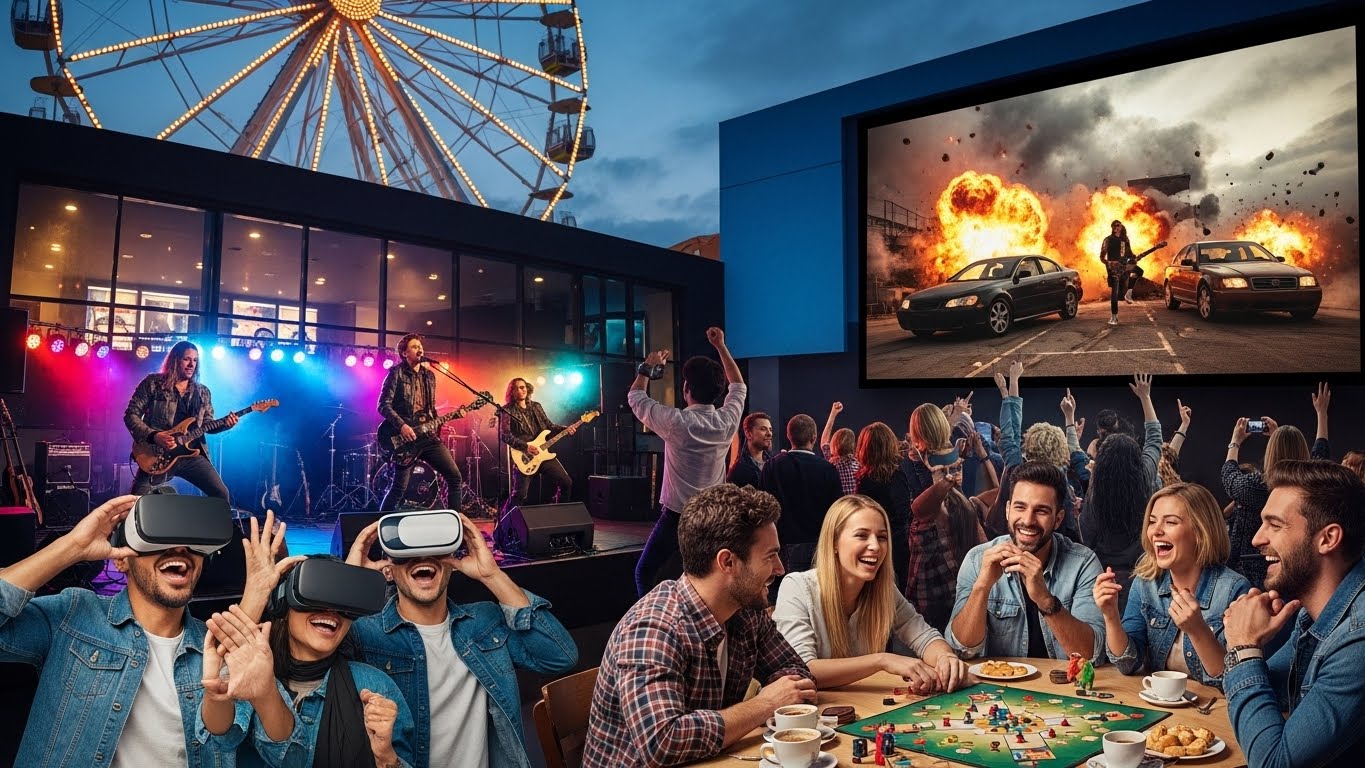
Entertainment has always been a mirror of human imagination. From ancient storytellers captivating small village gatherings to today’s massive global streaming platforms, the way we entertain ourselves continues to shift with culture, technology and creative innovation. Modern entertainment is more dynamic than ever, blending art, technology and emotion into experiences that resonate across all ages and backgrounds. In this blog, we explore how entertainment has evolved, where it stands today and why it continues to play such a powerful role in our lives.
The Evolution of Entertainment Through Time
Entertainment has existed since the earliest days of human civilization. What began as dance rituals, folk tales and music performed around firelight slowly transformed into theater, novels, radio shows and blockbusters. Each new era brought its own breakthrough, reshaping how people consumed stories.
In the past, entertainment was often limited by geography and resources. People relied on local musicians, small theaters or travelling performers. However, with the introduction of film, television and the internet, entire new worlds became accessible from anyone’s home. What once required a ticket and a physical presence now requires nothing more than a device and a moment of leisure.
Despite technological evolution, the heart of entertainment remains the same. Whether through epic myths or immersive virtual experiences, people seek escape, inspiration and emotional connection.
Streaming Platforms and the New Golden Age of Content
One of the most transformative shifts in entertainment today is the rise of streaming platforms. These platforms have revolutionized how people watch movies, shows and documentaries. Instead of waiting for weekly episodes on television, viewers now consume entire seasons in one sitting. The binge-watching culture has become a defining feature of modern entertainment habits.
Streaming services also opened opportunities for diverse storytelling. Creators from different cultures and backgrounds now have greater chances to share their narratives with global audiences. This has transformed the variety, complexity and relatability of the content available. Viewers can watch stories set in distant countries, learn about unique traditions or follow characters who reflect their own identities and struggles.
Another major impact of streaming is the shift in power from studios to audiences. Viewers voice their opinions through social media, influencing what becomes popular and which shows get renewed. Entertainment is no longer a one-way conversation; it has become an interactive and participatory experience.
Gaming as a Mainstream Cultural Force
Gaming has grown far beyond a niche hobby. Today it stands as one of the biggest pillars of global entertainment. Modern video games are cinematic, immersive and emotionally rich. They involve storytelling, strategic thinking and collaboration, appealing to both casual players and dedicated fans.
What makes gaming so powerful is its interactivity. Unlike movies or shows, games allow people to become part of the story. Choices matter, actions shape outcomes and players build their own paths. This element of control makes gaming uniquely engaging.
Esports has also transformed gaming into a global sport. Professional gamers compete in tournaments watched by millions. The excitement, the skill and the fast-paced nature of competitive gaming have carved out a new entertainment sector that rivals traditional sports.
Furthermore, gaming fosters online communities. Strangers from different continents team up, communicate and build friendships. These virtual connections highlight how entertainment can unite people beyond geographical boundaries.
The Rise of Social Media Entertainment
Social media has dramatically reshaped how entertainment is created and consumed. Platforms powered by short videos, livestreams and real-time content have given rise to influencers, digital creators and ordinary users who build massive followings.
This shift democratized entertainment. Anyone with a phone and creativity can attract an audience. People no longer need big studios or production budgets to share their talents. Dance trends, comedy skits, tutorials and daily vlogs capture millions of views, proving that authenticity often matters more than polished perfection.
Livestreaming has become another major component of modern entertainment. Creators share their lives, play games, cook meals or simply talk with viewers. This real-time interaction makes entertainment deeply personal, creating a feeling of closeness and connection between creators and their audiences.
Music in the Digital Era
The music industry has also undergone immense transformation. Gone are the days when CDs and radio were the primary ways to enjoy music. Now, people carry millions of songs in their pockets, accessible at any moment.
Digital music platforms have made discovering new artists easier than ever. Listeners explore genres from around the world, merging musical cultures and encouraging artists to experiment with fresh sounds. Musicians no longer rely solely on record labels; instead, they showcase their work directly to listeners, allowing talent to shine regardless of background.
Virtual concerts and online performances exploded in popularity, especially in recent years. They offer immersive experiences, creative visuals and global accessibility. Fans who once dreamed of attending their favorite artist’s concert can now enjoy performances from anywhere in the world.
The Cinematic Experience Continues to Thrive
While streaming has taken center stage, cinema remains a beloved part of entertainment culture. The experience of watching a film on the big screen, surrounded by powerful sound and compelling visuals, remains unmatched. The communal aspect of reacting to thrilling scenes, laughing with strangers or feeling collective awe keeps cinema alive.
Film studios are also embracing technology to elevate storytelling. Advanced special effects, high-resolution cameras and digital animation bring imagination to life like never before. Even classic genres feel fresh and exciting with the help of modern filmmaking techniques.
Cinema continues to adapt by offering premium experiences such as luxury seating, immersive sound systems and enhanced visuals. These features remind audiences that the magic of the big screen is far from fading.
Live Events and the Power of In-Person Experiences
Despite the rise of digital entertainment, live events retain a special charm. Concerts, theater productions, stand-up comedy, cultural festivals and sports games provide energy that screens cannot replicate.
The atmosphere of a live event is electrifying. People gather with shared enthusiasm, creating unforgettable memories. Whether it is cheering for a favorite team or singing along at a concert, the unity and emotion in these moments highlight the social power of entertainment.
Many live events now integrate technology for richer experiences. Interactive screens, immersive effects and synchronized lighting enhance performances, blending physical presence with digital creativity.
The Impact of Technology on Entertainment
Technology continues to push the boundaries of entertainment. Virtual reality (VR) and augmented reality (AR) have opened doors to experiences once considered impossible. With VR, users can explore new worlds, travel back in time or participate in immersive stories. AR enhances real-world environments with digital overlays, enriching games, education and interactive art.
Artificial intelligence also plays a growing role in entertainment. AI helps personalize content recommendations, generate music, assist in animation and even contribute to writing scripts or designing characters. Technology is not replacing creativity but enhancing it, enabling creators to craft richer and more compelling experiences.
Why Entertainment Matters More Than Ever
In today’s fast-paced world, entertainment serves as more than a distraction. It is a source of comfort, inspiration and connection. Stories help us understand our emotions, music lifts our spirits and games provide an escape from daily pressures.
Entertainment also brings people together. Friends bond over favorite shows, families enjoy movie nights and communities form around shared interests. It bridges cultures and generations, encouraging empathy and understanding.
Most importantly, entertainment fuels imagination. It encourages creative thinking, sparks innovation and reminds us of the beauty of human expression.
Looking Ahead: The Future of Entertainment
The future of entertainment is bright and filled with endless possibilities. Emerging technologies will continue to transform how stories are told and experienced. Personalized interactive content, advanced virtual worlds and seamless global access will shape the next era.
Despite constant change, one thing remains certain. The human desire for storytelling, connection and creativity will always drive entertainment forward. Each technological shift opens new doors, but the heart of entertainment stays rooted in the same timeless magic that has captivated humanity for centuries.
Modern entertainment is a blend of art, innovation and emotion. Whether through screens, stages or virtual worlds, it continues to evolve and inspire. As we move into the future, we can look forward to even more immersive, diverse and meaningful experiences that celebrate the limitless imagination of the human spirit.