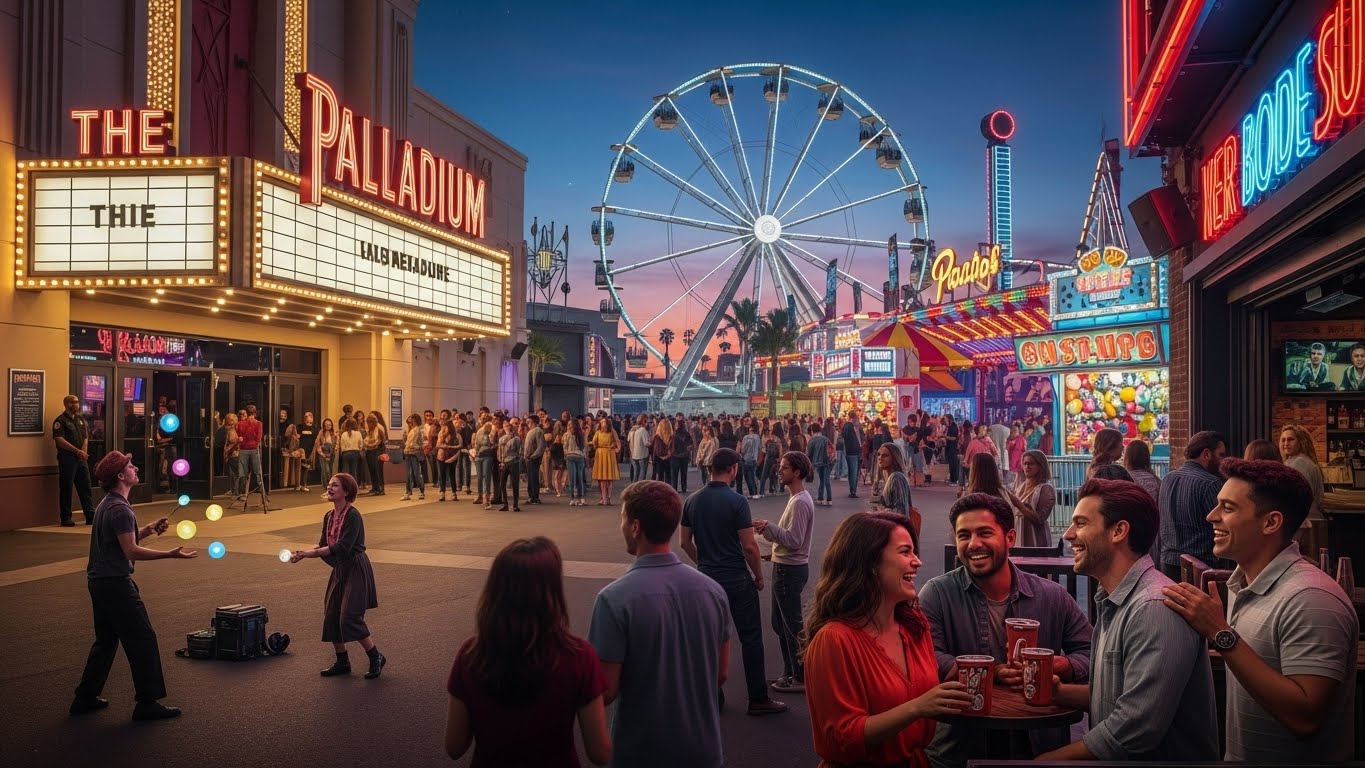

Entertainment has always been an essential part of human culture. From ancient storytelling around fires to digital streaming platforms available at our fingertips, entertainment continues to evolve with society. Today, it is more than just a way to pass time; it has become a powerful force that influences our thoughts, shapes our culture, and connects people across the globe. In this blog post, we will explore the roots of entertainment, its evolution, its psychological and social impact, and the future of creative expression in our digital world.
The Origins of Entertainment
Entertainment has been part of humanity since the earliest civilizations. Long before books, movies, or music recordings existed, people entertained themselves through communal activities such as dances, chants, rituals, and storytelling. These moments were not just for fun; they were the foundation of social bonding, cultural identity, and emotional release.
In ancient civilizations, entertainment evolved through drama, sports, and festivals. Greek tragedies, Roman gladiator events, and Chinese opera were early forms of structured entertainment that drew crowds and left a lasting impact on culture. These forms of entertainment also reflected the values and concerns of their societies, showcasing how creativity often mirrors reality.
As communities grew and technology developed, so did the avenues for entertainment. Printing allowed stories to spread. The invention of instruments enriched musical expression. Eventually, each era brought new methods of captivating audiences.
The Evolution of Modern Entertainment
In the last century, entertainment has gone through rapid transformation. The introduction of cinema changed the way people experienced stories. Early silent films evolved into full cinematic universes, creating icons and shaping popular culture for generations.
Television brought entertainment into every home, offering news, comedy, drama, and sports at the push of a button. Radio made music and storytelling accessible to millions. And as technology advanced, each innovation opened doors to new experiences.
The emergence of digital entertainment revolutionized how we consume content. Streaming platforms, online videos, podcasts, and digital books have made entertainment accessible anywhere, anytime. Unlike past generations who depended on schedules set by broadcasters, today’s audiences enjoy freedom and flexibility. This shift has also created space for independent creators who can share their work directly with the world.
The Power of Music in Everyday Life
Music is one of the most universal forms of entertainment. It speaks to emotions, memories, and experiences in ways few art forms can. Whether it is a soothing melody that calms the mind or an upbeat rhythm that sparks energy, music shapes our mood and enhances our daily activities.
Throughout history, music has adapted to cultural shifts. Classical compositions dominated early periods, while jazz, rock, and pop defined different centuries. Today, the music landscape is more diverse than ever, with genres blending and artists experimenting with styles from all over the world.
Music also plays a major role in entertainment industries such as film, gaming, and advertising. A powerful soundtrack enhances storytelling and immerses audiences in the moment. Without music, many memorable scenes in films and shows would lose their emotional impact.
The Rise of Film and Television
Film and television remain two of the most influential forms of entertainment. Movies transport audiences into different worlds, introduce unforgettable characters, and explore complex themes. From epic fantasies to heartfelt dramas, films give people a chance to escape, reflect, and imagine.
Television has evolved dramatically over the years. What began as simple black-and-white broadcasts has grown into high-quality series with cinematic production. Long-form storytelling has allowed writers to dive deeper into character development and plotlines, giving viewers a more immersive experience.
In recent years, streaming platforms have revolutionized the industry by offering global access to films and series. This has expanded representation, allowing audiences to enjoy stories from different cultures, perspectives, and genres.
The Impact of Digital Content Creators
A major shift in modern entertainment is the rise of digital creators. Platforms allow individuals to produce and share content without traditional gatekeepers like studios or publishers. This has turned entertainment into a more democratic space where creativity thrives beyond the boundaries of mainstream industries.
Content creators make videos, comedic sketches, educational content, lifestyle tips, art tutorials, and more. Their ability to connect directly with audiences gives them unique influence. Many creators build tight-knit communities that feel personal and interactive, something traditional entertainment rarely offered.
Digital creators also play an important role in shaping trends. Fashion, humor, gaming, fitness, and even news are influenced by creators whose work reaches millions. This new format highlights the future of entertainment as increasingly participatory, diverse, and innovative.
The Role of Sports in Entertainment
Sports are one of the most powerful and unifying forms of entertainment. Whether played professionally or casually, sports bring excitement, passion, and community. Fans gather to cheer for their teams, celebrate victories, and share emotional moments that become lifelong memories.
Sports also embody the human spirit of perseverance, teamwork, and competition. They inspire people to push their limits and cultivate discipline. The rise of global tournaments has transformed athletes into cultural icons and united fans across different backgrounds.
In modern times, sports entertainment extends far beyond the field. It includes commentary shows, behind-the-scenes documentaries, fan analysis, merchandise, and interactive experiences. Sports have become not just games but complete cultural ecosystems.
The Social and Psychological Benefits of Entertainment
Entertainment is far more than a leisure activity. It plays an important role in mental well-being. Engaging in entertainment helps reduce stress, boost mood, and provide mental escape from daily pressures.
Story-driven entertainment such as books, movies, and games stimulates imagination, improves empathy, and encourages reflection. Humor through comedy or social entertainment brings laughter, which scientifically reduces stress hormones and increases happiness.
Entertainment also fosters social connection. Watching a movie with family, attending a concert with friends, or discussing a series online strengthens bonds and builds community. Shared entertainment experiences create memories that last long after the moment ends.
The Business of Entertainment
Entertainment is one of the largest industries in the world. Behind every movie, song, show, or game are countless professionals, from writers and designers to marketers and producers. The industry generates billions through ticket sales, merchandise, licensing, streaming, and advertising.
The digital revolution has expanded these opportunities even further. Independent filmmakers, musicians, and creators can now reach audiences without massive budgets or corporate backing. This shift has made entertainment more accessible while encouraging innovation across all media.
The Influence of Technology on Entertainment
Technology continues to push the boundaries of what entertainment can be. Virtual reality allows users to step into immersive environments. Augmented reality blends digital elements with real-world surroundings. Artificial intelligence helps create music, art, and storylines customized to individual preferences.
Interactive entertainment is also becoming more common. Viewers can now influence story outcomes, participate in live digital events, or interact with performers in real time. These innovations blur the line between audience and creator, transforming entertainment into a personalized experience.
Entertainment as a Reflection of Society
Entertainment often mirrors society’s values, struggles, and aspirations. Films, music, and stories highlight issues such as identity, justice, love, and conflict. Through creative expression, entertainment helps audiences understand themselves and the world around them.
Artists frequently use their platforms to address real-world challenges, spark conversations, and promote positive change. Entertainment has the power to shift perspectives, raise awareness, and inspire action.
The Future of Entertainment
The future of entertainment is full of possibility. As technology advances, audiences can expect even more immersive, interactive, and personalized experiences. Virtual concerts, digital influencers, artificial intelligence-driven storytelling, and interactive films are only the beginning.
Global collaboration will continue to grow, allowing stories from every culture to reach international audiences. Entertainment will become more diverse, more inclusive, and more accessible. At the same time, audiences will demand authenticity, meaningful storytelling, and deeper engagement.
As entertainment continues to evolve, one thing remains constant: our desire to connect, imagine, and feel. Whether through music, film, sports, gaming, or digital content, entertainment will always be a vital part of the human experience.
Conclusion
Entertainment is more than simple amusement. It is an ever-expanding universe of creativity that shapes culture, sparks emotion, and brings people together. From ancient performances to modern digital content, entertainment reflects our dreams, challenges, and innovations.
The world of entertainment will continue to grow, evolve, and inspire. As new generations explore fresh ideas and technologies, the possibilities are endless. Entertainment remains a powerful reminder of how imagination can shape reality, connect humanity, and turn moments into memories.