Entertainment has always been a central part of human culture. From ancient storytelling around a fire to the latest virtual reality experiences, the ways in which we amuse, educate, and connect with one another continue to evolve. Today, entertainment is no longer limited to movies, television, or music; it spans multiple platforms and technologies, shaping our lifestyles and influencing our society in unprecedented ways. In this blog, we explore the multifaceted world of entertainment, the trends driving it, and its role in modern life.
The Timeless Allure of Storytelling
At the core of all entertainment lies storytelling. Stories have been told since the dawn of humanity, passed down through generations as myths, legends, and folk tales. They serve not only to entertain but also to educate and instill values. Today, storytelling manifests in countless forms—books, movies, television series, podcasts, and even interactive video games.
The rise of streaming platforms has transformed the way stories are consumed. Audiences can now binge-watch entire seasons, allowing for deeper immersion in narratives and character development. This shift has also influenced how content creators craft stories, often designing plotlines to retain attention over multiple episodes or seasons. The golden age of storytelling is not behind us; it is evolving with technology.
The Silver Screen and Its Enduring Magic
Cinema has long held a special place in the hearts of entertainment enthusiasts. The experience of watching a film in a theater, surrounded by a collective audience, is a unique form of engagement. While home streaming has made movies more accessible, theaters continue to offer an immersive experience that is difficult to replicate. The combination of large-scale visuals, surround sound, and shared emotional reactions creates a sense of connection that goes beyond the screen.
Movies are also a reflection of society. Filmmakers often tackle social issues, explore cultural phenomena, or push the boundaries of imagination. From independent films to blockbuster franchises, cinema continues to shape our cultural consciousness while providing a platform for creativity and innovation.
The Rise of Interactive Entertainment
In recent decades, entertainment has become increasingly interactive. Video games, virtual reality experiences, and interactive storytelling platforms have allowed audiences to step beyond passive observation and actively participate in narratives. Gamification has also extended beyond traditional gaming, influencing areas like fitness, education, and marketing.
The popularity of multiplayer online games demonstrates the social aspect of modern entertainment. Players form communities, collaborate on challenges, and compete across the globe, creating a sense of camaraderie and shared experience. As technology advances, the line between reality and virtual experience becomes increasingly blurred, offering entertainment that is not only immersive but also transformative.
Music: The Universal Language of Emotion
Music is perhaps the most universal form of entertainment, capable of transcending language, culture, and geography. The evolution of music consumption—from live performances to vinyl records, cassettes, CDs, and now digital streaming—has transformed how audiences access and engage with it.
Today, music platforms allow listeners to discover new genres, artists, and cultures instantly. Social media has also given musicians a direct channel to interact with fans, fostering a sense of intimacy and community. Music festivals and concerts remain powerful collective experiences, where sound, visuals, and human connection converge to create moments of pure joy and emotion.
Television: From Broadcast to On-Demand
Television has undergone a dramatic transformation in recent years. Traditional broadcast TV, once the primary source of entertainment for households, has largely given way to on-demand streaming services. Viewers now have the freedom to watch content on their schedule, choosing from an almost limitless array of options.
This shift has influenced not only viewing habits but also content creation. Series can now explore complex narratives, unconventional formats, and niche genres, catering to diverse audience interests. The ability to track audience engagement in real time has also enabled creators to adapt and innovate at an unprecedented pace, making television a more dynamic and responsive medium.
The Influence of Social Media on Entertainment
Social media platforms have become a dominant force in shaping modern entertainment. They allow content creators, influencers, and artists to reach global audiences instantly, often bypassing traditional distribution channels. Viral trends, memes, and short-form videos have become legitimate forms of entertainment, capturing attention in seconds and creating new cultural phenomena.
Moreover, social media has democratized content creation. Anyone with a smartphone and an idea can produce content that resonates with millions, breaking down barriers that once limited who could participate in the entertainment industry. The rise of digital celebrities and influencers exemplifies how the entertainment landscape is no longer confined to professional studios and production houses.
Entertainment and Technology: A Symbiotic Relationship
Technology and entertainment are inseparable. Innovations in visual effects, animation, sound design, and interactive platforms continuously push the boundaries of what is possible. Virtual reality, augmented reality, and artificial intelligence are creating entirely new forms of entertainment that blend the physical and digital worlds.
Artificial intelligence, for example, is being used to create adaptive narratives, generate music, and even assist in film editing. Virtual reality immerses users in lifelike experiences, from exploring fantastical worlds to participating in simulations that were once purely theoretical. As technology evolves, so too does the potential for creativity, expanding the definition of entertainment itself.
Live Entertainment: The Power of Presence
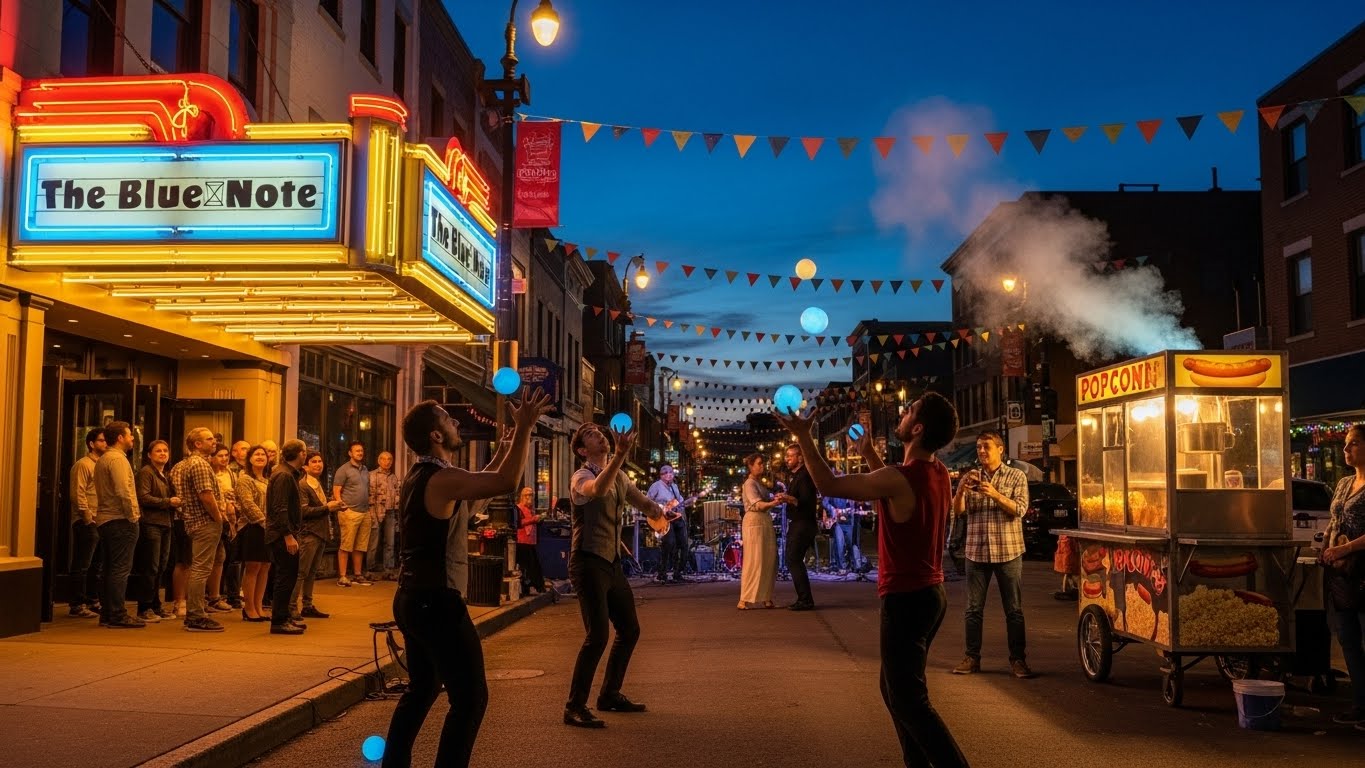
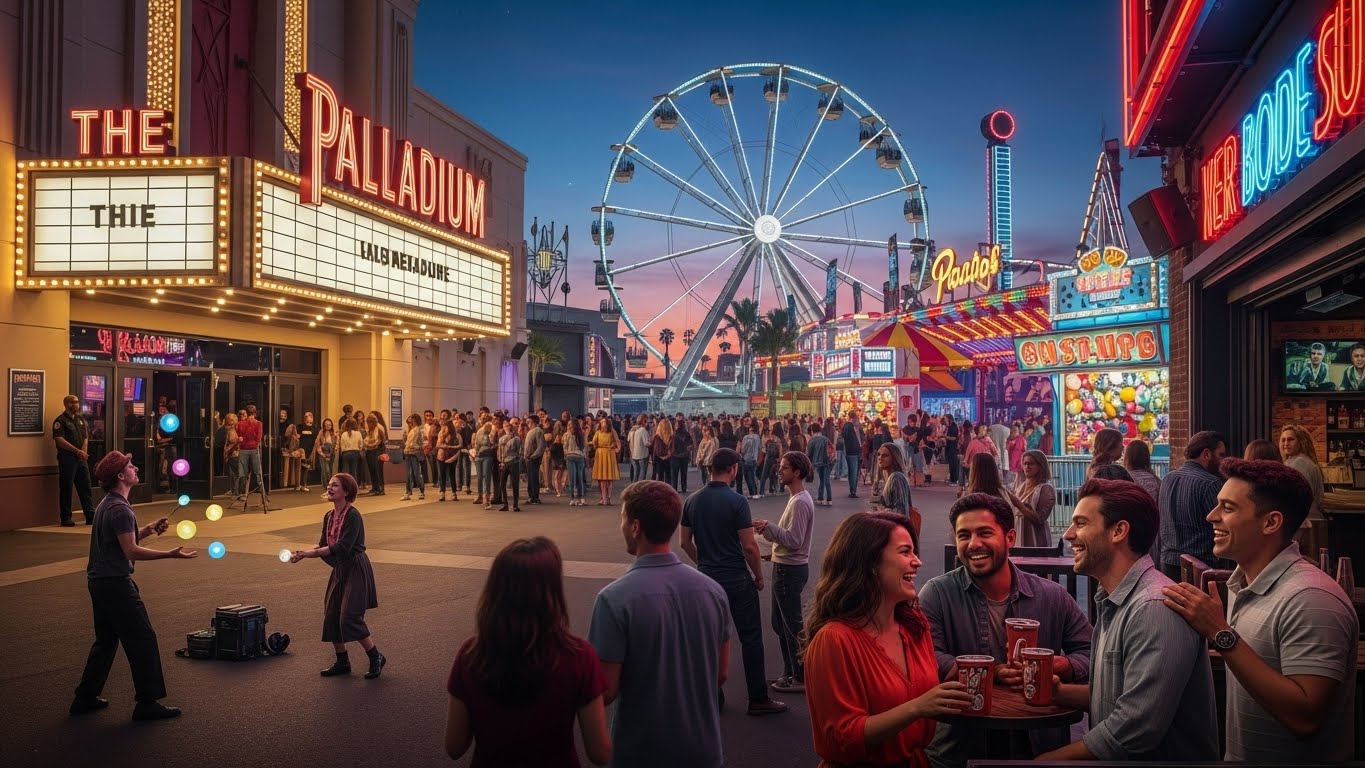
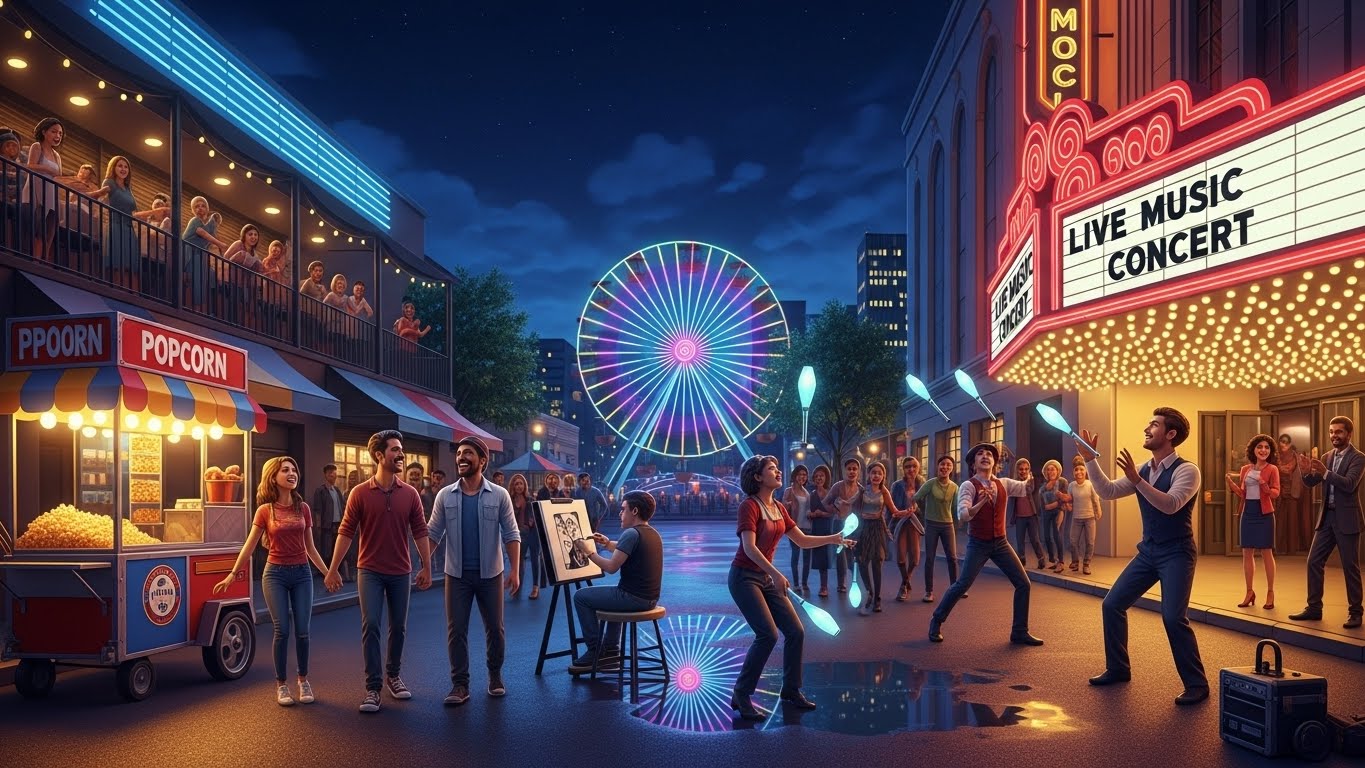
While digital entertainment dominates our daily lives, live experiences remain irreplaceable. Concerts, theater performances, sports events, and festivals provide a level of engagement and excitement that screens cannot replicate. The energy of a live audience, the unpredictability of real-time performance, and the shared emotional highs create moments that linger in memory long after the event ends.
Live entertainment also fosters community and cultural exchange. Festivals and events often celebrate local traditions, arts, and music, bringing people together and promoting cultural understanding. In an increasingly digital world, the value of being physically present has become even more meaningful.
The Role of Entertainment in Society
Entertainment is not merely a pastime; it plays a significant role in shaping culture, influencing behavior, and providing psychological benefits. It offers escapism, allowing people to momentarily leave behind the stresses of everyday life. It also encourages empathy by allowing audiences to experience perspectives different from their own.
Moreover, entertainment can drive social change. Films, music, and digital campaigns have the power to raise awareness, challenge norms, and inspire action. Whether addressing environmental issues, social justice, or mental health, the entertainment industry can act as a powerful catalyst for reflection and transformation.
Emerging Trends in Entertainment
Several trends are currently redefining the entertainment landscape. First, there is a growing demand for personalized experiences. Streaming platforms, gaming, and social media now use sophisticated algorithms to tailor content to individual preferences.
Second, cross-platform experiences are becoming more prevalent. Stories and franchises are no longer confined to a single medium; they span movies, games, books, and digital content, creating immersive universes that engage audiences on multiple levels.
Third, sustainability and inclusivity are influencing content creation. Audiences increasingly expect diverse representation and environmentally conscious practices, prompting creators to rethink how stories are told and produced.
Finally, nostalgia is proving to be a powerful tool. Reboots, remakes, and revivals of classic content tap into the emotional connection audiences have with the past while introducing timeless stories to new generations.
Conclusion: The Endless Evolution of Entertainment
Entertainment is far more than a way to pass the time; it is a reflection of human creativity, culture, and connection. From ancient tales to modern virtual reality, it evolves alongside society, technology, and individual preferences. The future promises even more innovation, blurring the lines between creator and audience, reality and imagination, digital and physical experiences.
As consumers and creators, we are participants in a dynamic ecosystem where stories, music, games, and performances intersect and transform our lives. Entertainment will continue to challenge, inspire, and delight us, proving that the human desire to be amused, moved, and connected is timeless.
Whether it’s through a heartfelt song, a gripping film, a thrilling game, or a shared live experience, entertainment remains one of the most powerful expressions of what it means to be human. And as long as imagination exists, there will always be something new to watch, listen to, play, and experience.