Entertainment is an essential part of human life, serving as a source of joy, relaxation, inspiration, and sometimes even a means of escape. Over the years, the world of entertainment has undergone massive changes, from ancient forms of storytelling to the vast digital landscape of streaming platforms and video games we know today. The transformation of entertainment is not just about the way we consume it but also the experiences it offers. The entertainment industry has expanded its boundaries, integrating technology, culture, and human creativity in new and exciting ways. In this blog post, we will explore the evolution of entertainment, its diverse forms, and the trends shaping its future.
The Roots of Entertainment: Ancient Beginnings
Entertainment has existed in some form since the dawn of human civilization. The earliest forms of entertainment were rooted in storytelling, music, and performance. Ancient cultures engaged in rituals, theatrical performances, and public festivals that were not just for amusement but also served spiritual and social purposes. Storytelling around campfires, music, and dance were fundamental ways to connect, entertain, and share knowledge.
In Ancient Greece, the development of theater marked the birth of professional entertainment. Greek playwrights like Sophocles, Euripides, and Aeschylus wrote tragedies and comedies that were performed at festivals in honor of the gods. The works of these playwrights laid the foundation for Western drama and the idea of entertainment as a public, often communal experience. In Ancient Rome, gladiatorial games and chariot races were both forms of entertainment and displays of power, attracting large crowds and often serving as political tools.
As civilizations advanced, entertainment became more formalized, with rulers and the wealthy commissioning performances, art, and celebrations. However, entertainment in its purest form was still a communal activity, centered around shared experiences.
The Age of Print and Mass Media
The invention of the printing press in the 15th century revolutionized entertainment by making written works more accessible to the masses. Books, plays, and eventually newspapers could be mass-produced and distributed widely, allowing stories and ideas to reach a broader audience than ever before. The popularity of novels, especially during the 18th and 19th centuries, gave rise to a new form of entertainment that was personal, immersive, and private.
By the 20th century, print media had evolved into mass entertainment. Magazines, comic books, and newspapers offered serialized stories and cultural content to a broad public. The rise of literature as both an art form and a source of amusement paved the way for the creation of cinema and radio.
The radio era, which began in the 1920s, was another transformative moment in the history of entertainment. For the first time, people could listen to news, drama, and music broadcasts from the comfort of their homes. Iconic radio programs like “The Shadow” and “The Lone Ranger” captured the imagination of listeners, offering them a shared experience even though they were in different locations.
The Golden Age of Television
While radio was still in its prime, the 1950s and 1960s saw the arrival of television, which transformed the entertainment industry forever. Television combined the power of moving images with sound, offering a more immersive and engaging form of entertainment. Families gathered around the television set to watch sitcoms, dramas, variety shows, and live events, and TV quickly became the dominant source of entertainment in homes across the world.
The 1950s and 1960s are often referred to as the “Golden Age of Television,” with iconic shows like “I Love Lucy,” “The Twilight Zone,” and “The Ed Sullivan Show” captivating audiences. During this period, television was both a shared cultural experience and a medium for advertising, which allowed companies to promote their products to a mass audience. The rise of TV also allowed celebrities to gain widespread fame, becoming household names.
Television was a highly centralized form of entertainment. Viewers were limited to a few channels, and shows were scheduled at specific times, often leading to a more collective experience. The content of television shows began to reflect societal trends, addressing issues like family dynamics, politics, and social change. As cable television emerged in the 1980s, more specialized channels and programming gave people greater options in their entertainment choices, from news to sports to children’s content.
The Digital Revolution: The Rise of the Internet and Streaming
The late 1990s and early 2000s marked the dawn of the digital age, which would fundamentally change the entertainment landscape. The internet introduced a new way for people to access and consume content. With the rise of broadband internet, content could be streamed and downloaded directly to computers, making entertainment more personalized and accessible than ever before.
In the early 2000s, services like YouTube and iTunes allowed people to easily share and consume video and music content. YouTube’s user-generated content model democratized entertainment, enabling anyone with a camera and an internet connection to create videos that could reach millions. This period also saw the rise of social media platforms like Facebook, Twitter, and Instagram, where users could share and engage with content, participate in trends, and interact with celebrities and influencers directly.
Streaming services like Netflix, Hulu, and Spotify revolutionized how we consumed movies, TV shows, and music. Unlike traditional media, which required viewers to watch shows at specific times or purchase albums, streaming platforms allowed users to access an entire library of content whenever they wanted. This shift to on-demand content was a game-changer, leading to the rise of binge-watching, personalized playlists, and even entire industries built around influencer-driven media.
Streaming platforms also changed the business model of entertainment, moving from physical media sales to subscription-based services. Netflix, in particular, pioneered this model by offering original programming, such as House of Cards and Orange Is the New Black, which further cemented its position as a major player in the entertainment world.
The Age of Social Media and User-Generated Content
While traditional media platforms like TV and film continued to thrive, social media and user-generated content began to dominate entertainment in new and unexpected ways. Platforms like TikTok, Snapchat, and Instagram created spaces where users could produce short-form videos, memes, and shareable content that could go viral almost instantly. This shift to digital and social media-driven entertainment empowered individuals to be creators, transforming ordinary people into influencers, musicians, comedians, and artists.
Platforms like Twitch and YouTube Gaming gave rise to the world of live streaming, where people could watch gamers, musicians, and other content creators perform in real-time. The interactive nature of these platforms also allowed viewers to engage directly with the content they were watching, whether by donating money, asking questions, or participating in live chats. This created a sense of community and interactivity that was absent from traditional entertainment channels.
Influencers, who built massive followings on social media, became the new celebrities of the digital age. These individuals often had a more direct connection with their fans than traditional stars, and many monetized their content through brand deals, merchandise, and even paid subscriptions. Social media platforms have also made entertainment more diverse, as people from all walks of life can now share their cultures, opinions, and talents with the world.
The Future of Entertainment: Immersive and Interactive Experiences
Looking ahead, the entertainment industry is poised for even greater changes as emerging technologies like virtual reality (VR), augmented reality (AR), and artificial intelligence (AI) begin to take center stage. These technologies promise to revolutionize entertainment by offering more immersive, interactive, and personalized experiences.
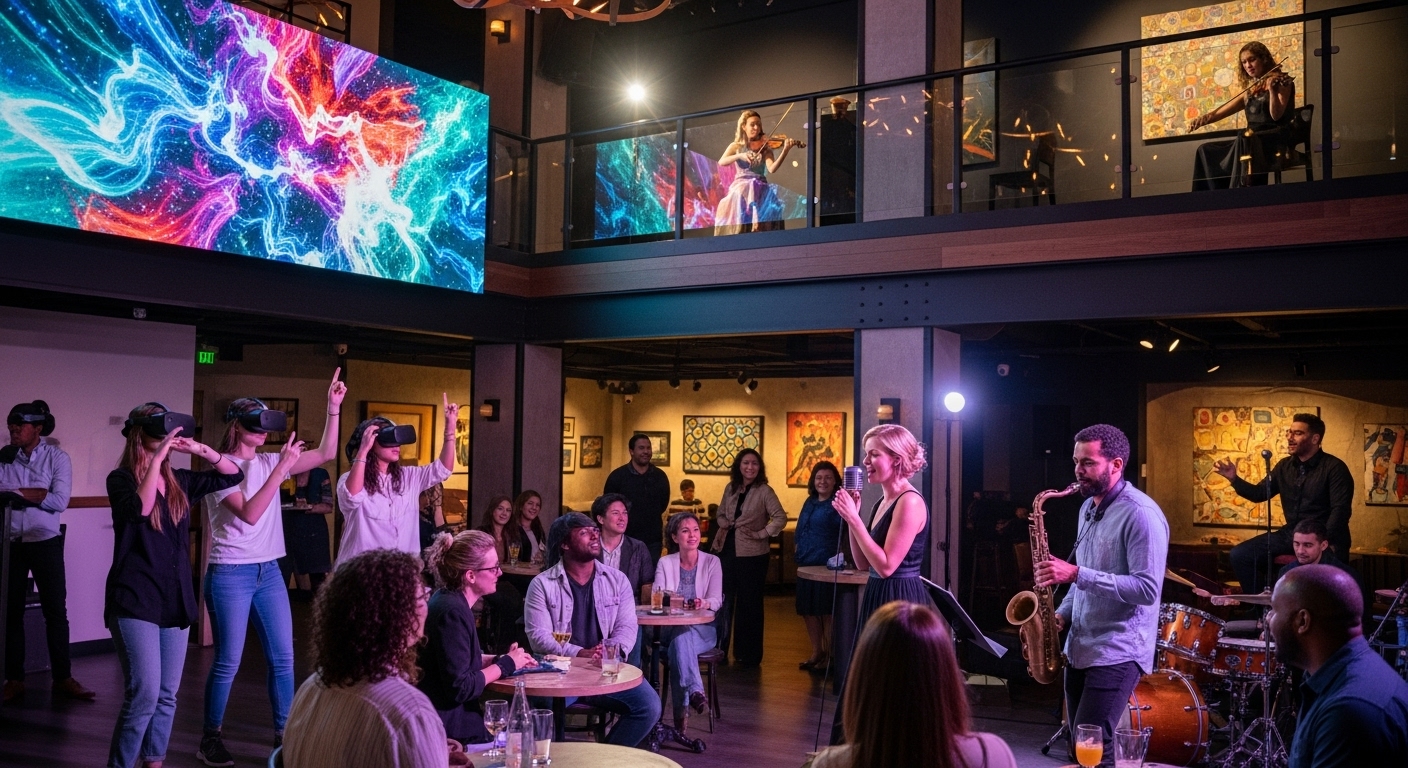
Virtual reality, for example, could change the way we watch movies, attend concerts, or play video games by creating fully immersive worlds where users can interact with their surroundings in real-time. Imagine stepping into a movie, interacting with the characters, and changing the course of the storyline based on your decisions. Similarly, augmented reality could allow us to overlay digital content onto the physical world, creating hybrid entertainment experiences that blend the virtual and the real.
Artificial intelligence also has the potential to transform how entertainment is created and consumed. AI can personalize content recommendations with greater accuracy, predict trends, and even generate music, art, and stories. AI-generated content could lead to new forms of interactive entertainment, where the storyline adapts based on the viewer’s choices or preferences.
Additionally, the rise of 5G networks promises to make streaming and interactive entertainment even faster and more seamless, allowing for high-quality content to be delivered instantly to mobile devices, VR headsets, and smart TVs. The future of entertainment is likely to be more interactive, personalized, and immersive than ever before, opening up new possibilities for both creators and consumers.
Conclusion: Entertainment as a Reflection of Society
Entertainment has always mirrored the values, desires, and innovations of society. From the communal performances of ancient civilizations to the digital spectacles of today, entertainment has been a powerful tool for connection, creativity, and expression. The ongoing evolution of entertainment—fueled by technological advancements and shifting cultural dynamics—has expanded the ways in which we interact with media, offering us personalized and interactive experiences that were once unimaginable.
As we look toward the future, it’s clear that entertainment will continue to evolve, driven by innovation and creativity. Whether through the immersive worlds of virtual reality, the power of social media influencers, or the interactive nature of AI-driven content, the future of entertainment promises to be exciting, dynamic, and ever-changing.