Introduction
Entertainment has always been a vital part of human life. From storytelling by the fireside to elaborate theatrical performances, music, and games, humans have continually sought ways to escape, connect, and experience joy. In today’s world, the definition of entertainment has expanded beyond traditional mediums. Technology, digital platforms, and interactive media have transformed how people consume content, interact with creators, and participate in shared experiences. Modern entertainment is immersive, personalized, and global, reflecting not only human creativity but also the evolving ways in which audiences engage with stories, music, and games.
The Shift Toward Personalized Experiences
One of the most significant transformations in entertainment is personalization. In the past, audiences had limited choices. Television schedules, radio programs, and theater showtimes dictated what people could enjoy. Today, streaming platforms, music apps, and interactive games allow users to select content based on their preferences. Algorithms suggest movies, shows, and music tailored to individual tastes, creating unique experiences for each user.
This personalization extends beyond media consumption. Video games adjust difficulty levels and story outcomes based on player choices, and digital experiences allow users to explore content at their own pace. Audiences have become active participants rather than passive consumers, curating their own entertainment experiences. This shift has encouraged more diverse and niche content to flourish, as creators can now reach audiences who are genuinely interested in their work.
Streaming Platforms and the Global Audience
Digital streaming has broken down geographical barriers in entertainment. Today, a film released in one country can reach viewers around the globe simultaneously. This global accessibility has fostered cultural exchange, allowing audiences to discover stories, music, and performances from different cultures and perspectives.
Streaming services have also empowered independent creators. Filmmakers, musicians, and content producers can reach global audiences without relying on traditional studios or record labels. This democratization has encouraged experimentation and innovation, providing viewers with a wide variety of genres and narratives that were previously underrepresented.
The Transformation of Music
Music has undergone a dramatic evolution in the digital age. Physical albums, cassettes, and radio once dictated how listeners discovered music. Today, streaming platforms, social media, and short-form video apps dominate music consumption. Artists can release music independently, reaching millions without traditional record label support. Viral trends, challenges, and online performances can catapult songs into global recognition overnight.
Despite the shift to digital, live music experiences remain crucial. Concerts, festivals, and live performances provide an emotional connection and communal experience that digital media cannot replicate. Virtual concerts and hybrid events have further expanded access, allowing fans from around the world to participate in live music experiences. The combination of digital reach and live performance ensures that music remains both intimate and universal.
Gaming as a Cultural Phenomenon
Video games have emerged as one of the most influential forms of entertainment in the modern era. Once considered a niche hobby, gaming now engages millions of players worldwide, blending storytelling, artistry, and interactive experiences. Games allow players to influence narratives, explore detailed worlds, and connect with others through multiplayer platforms.
Esports has transformed competitive gaming into a mainstream phenomenon. Professional gamers now enjoy global recognition, while tournaments attract audiences rivaling traditional sports. Mobile and casual gaming have also made interactive entertainment more accessible, allowing people of all ages to engage with games without needing specialized equipment. Gaming has evolved from mere pastime to a significant cultural and economic force.
Fandoms and Online Communities
Modern entertainment thrives on audience participation. Fans are no longer passive viewers or listeners—they actively contribute to the culture surrounding their favorite media. Online communities, fan art, fiction, and discussion forums foster engagement and creativity, turning entertainment into a collaborative experience.
Fandoms hold remarkable influence. They can revive canceled shows, elevate emerging artists, and advocate for more inclusive representation in media. Social media platforms facilitate direct interaction between creators and audiences, allowing feedback, discussion, and collaboration. This transformation has shifted entertainment from a one-way medium to a dynamic exchange between creators and fans.
The Role of Technology in Immersive Entertainment
Technology has expanded the boundaries of storytelling and engagement. Virtual reality immerses users in lifelike experiences, while augmented reality integrates digital elements into the real world. These innovations allow audiences to interact with stories and performances in unprecedented ways.
Artificial intelligence is also shaping modern entertainment. AI can assist in music production, scriptwriting, and visual design, enhancing creativity and efficiency. Interactive storytelling, where audiences make choices that affect outcomes, has become increasingly popular, creating personalized narratives that engage viewers on a deeper level. Technology has turned entertainment from passive observation into active participation.
Live Experiences in the Digital Age
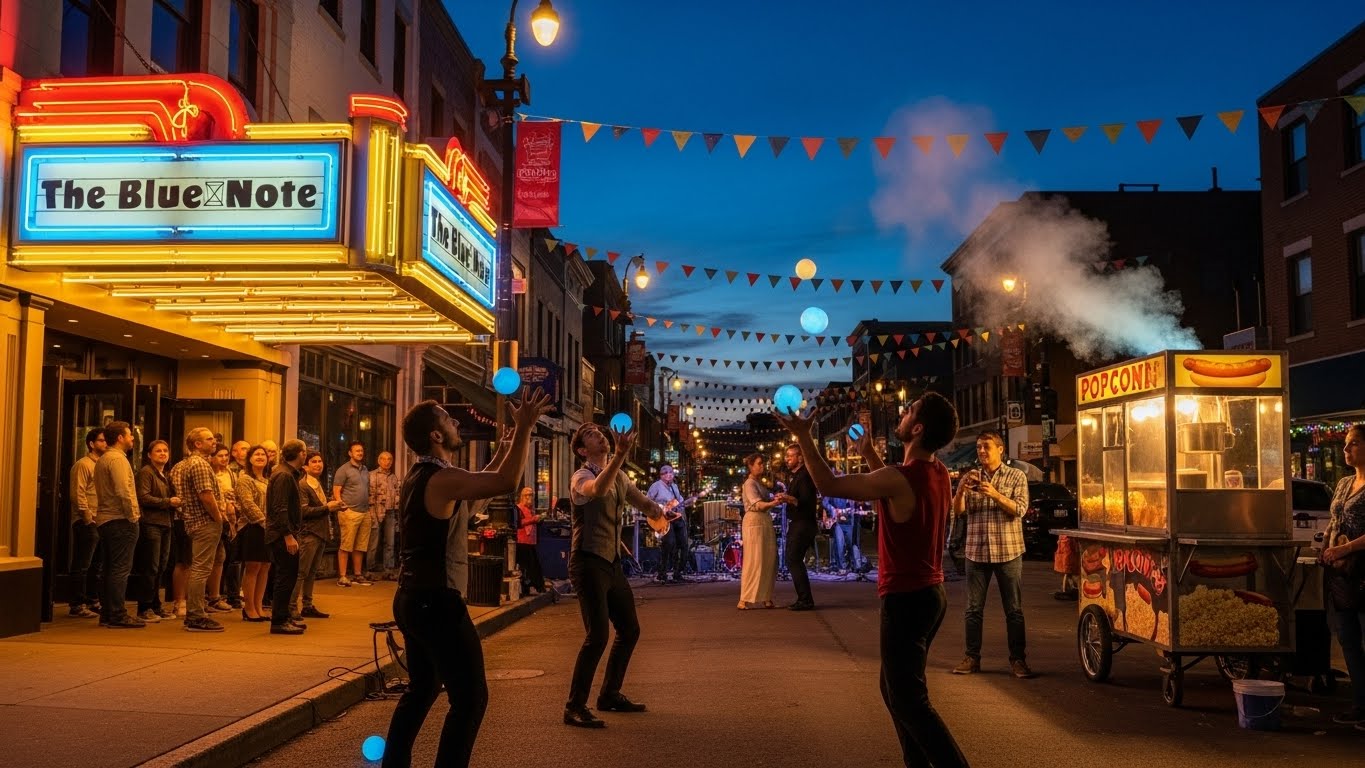
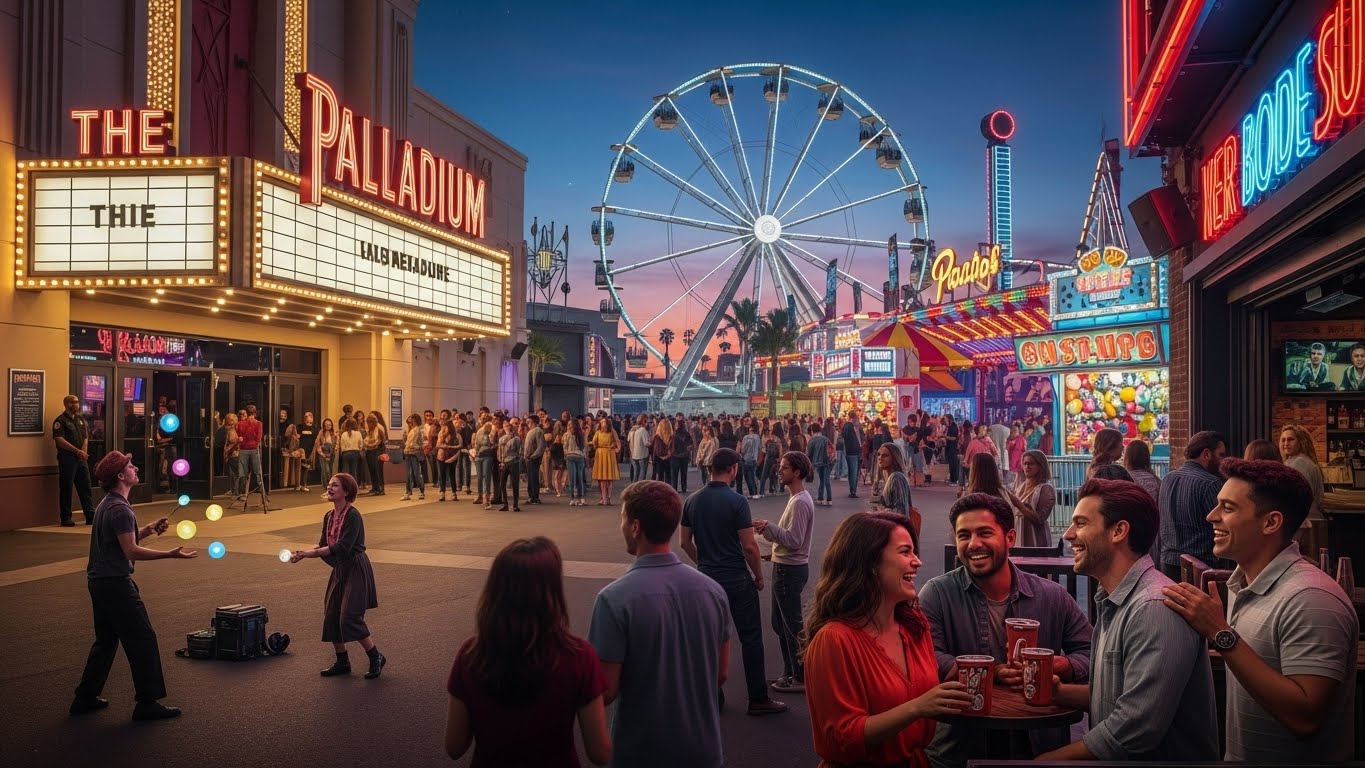
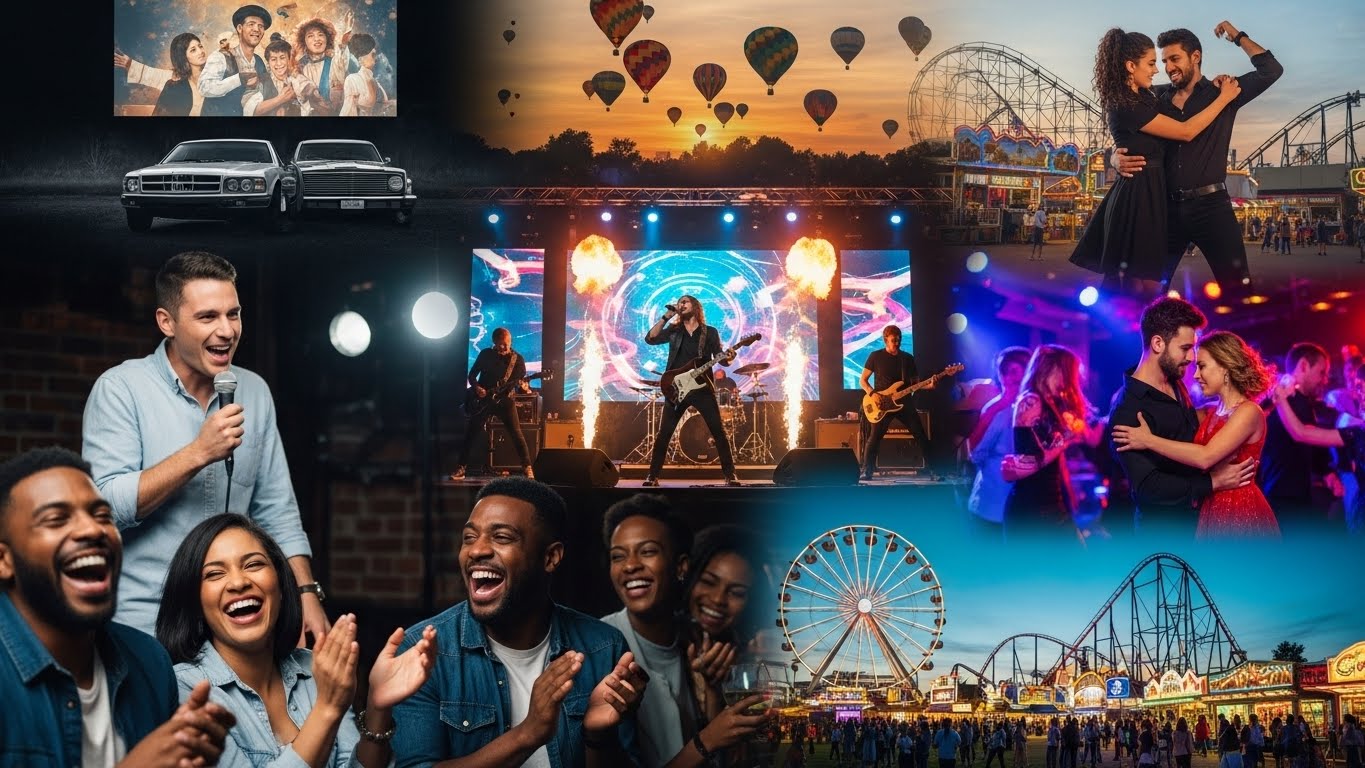
Even as digital platforms dominate entertainment, live experiences remain essential. Theater, concerts, sports, and festivals offer a sensory and emotional connection that screens cannot replicate. The shared energy of an audience, the immediacy of performance, and the unpredictability of live events create memories that endure long after the experience ends.
Hybrid formats now combine live presence with digital interaction. Audiences can participate virtually while engaging with live content in real time. This approach increases accessibility without sacrificing the emotional impact of being physically present. Live experiences remain the heart of entertainment, even in a digitally connected world.
The Future of Entertainment
The future of entertainment will continue to be shaped by technology, creativity, and audience engagement. Personalized content, immersive virtual and augmented experiences, and global collaboration will define new forms of media. Artificial intelligence and interactive storytelling will further expand possibilities, creating dynamic and adaptive entertainment experiences.
However, despite technological advances, the core purpose of entertainment will remain unchanged: to inspire, engage, and connect people. Stories, music, games, and live performances will continue to reflect human emotions, culture, and imagination. The most successful entertainment will balance innovation with emotional resonance, ensuring that audiences remain engaged, entertained, and connected.
Conclusion
Entertainment has evolved from traditional storytelling and performances to a complex, interactive, and highly personalized digital ecosystem. Streaming platforms, gaming, immersive technologies, and live events have transformed the way audiences experience content. Modern entertainment is not just a form of amusement—it is a reflection of culture, creativity, and human connection.
As audiences continue to demand interactive, immersive, and personalized experiences, the future of entertainment promises to be more diverse, accessible, and engaging than ever before. Yet, the essence of entertainment remains timeless: to captivate, inspire, and unite people. In a constantly changing world, entertainment will continue to be a source of joy, creativity, and shared human experience for generations to come.