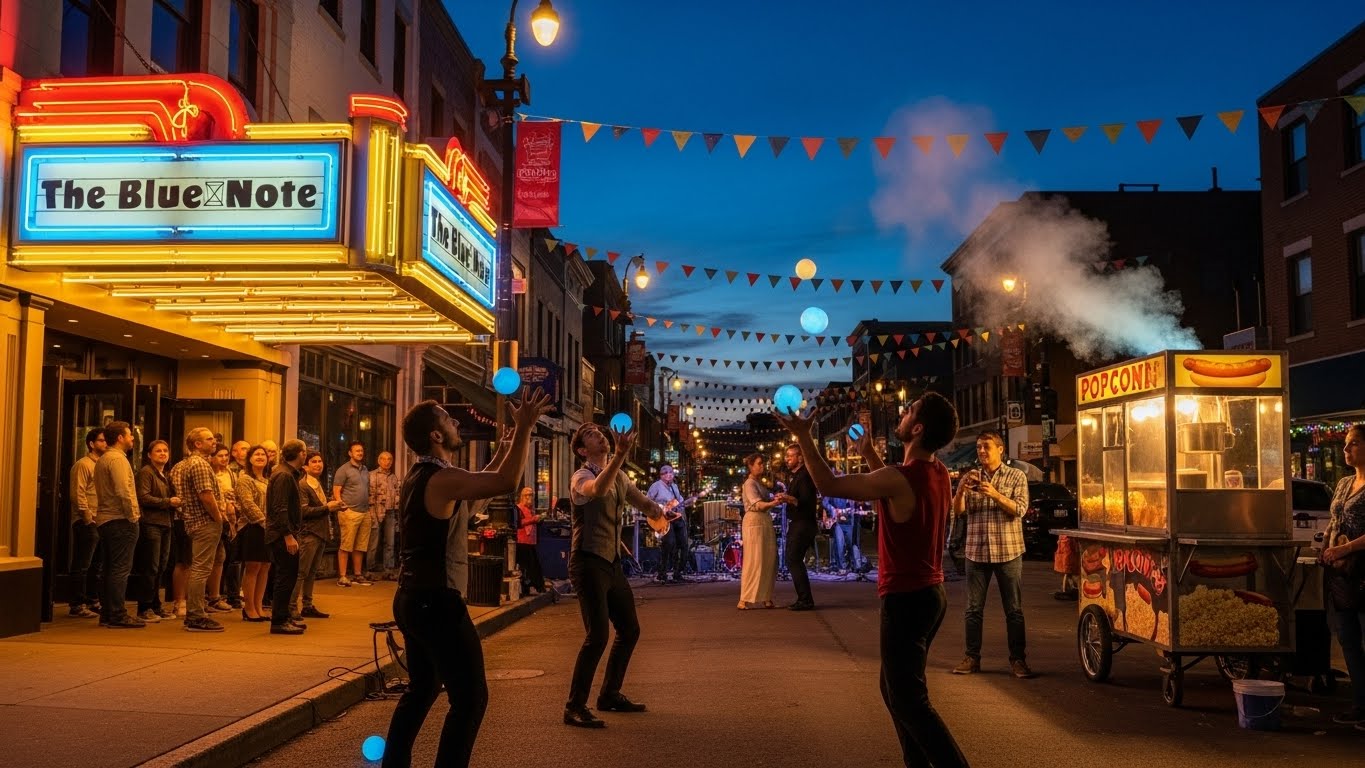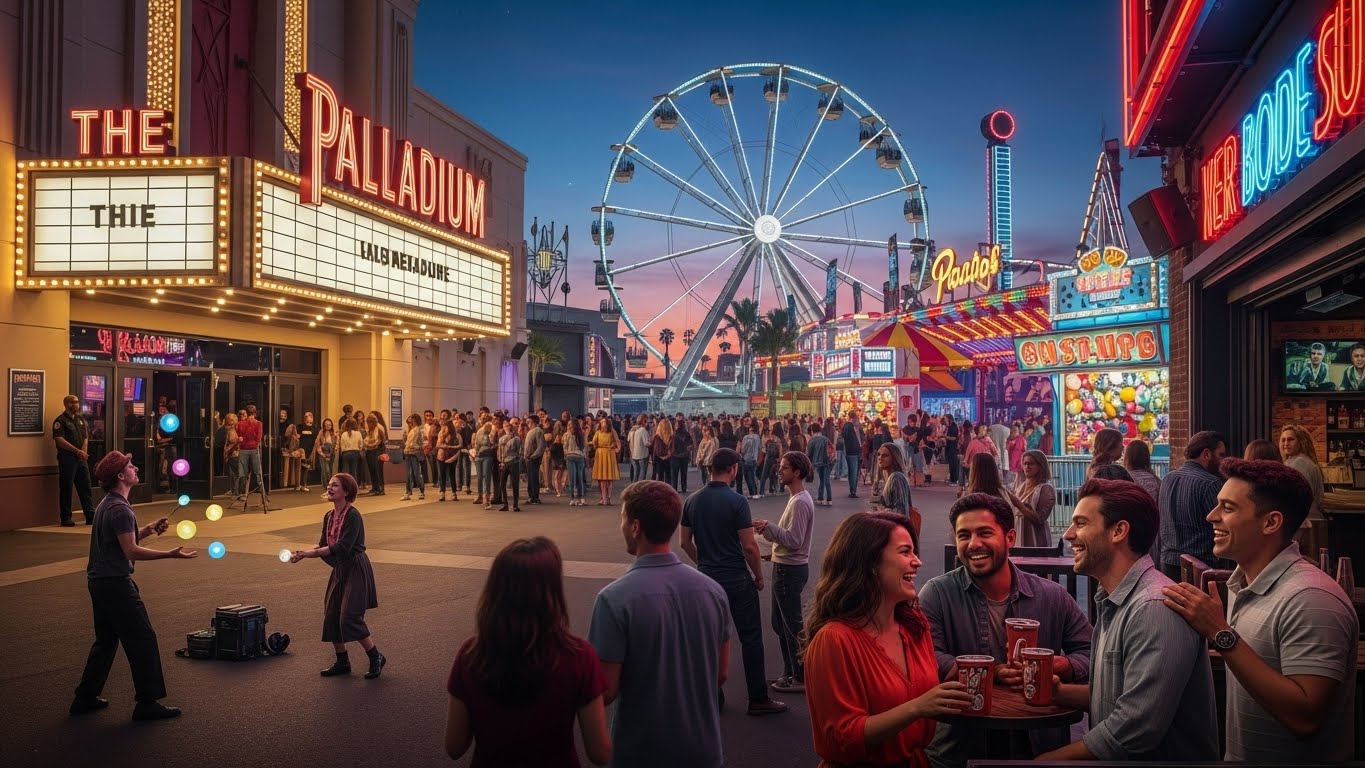
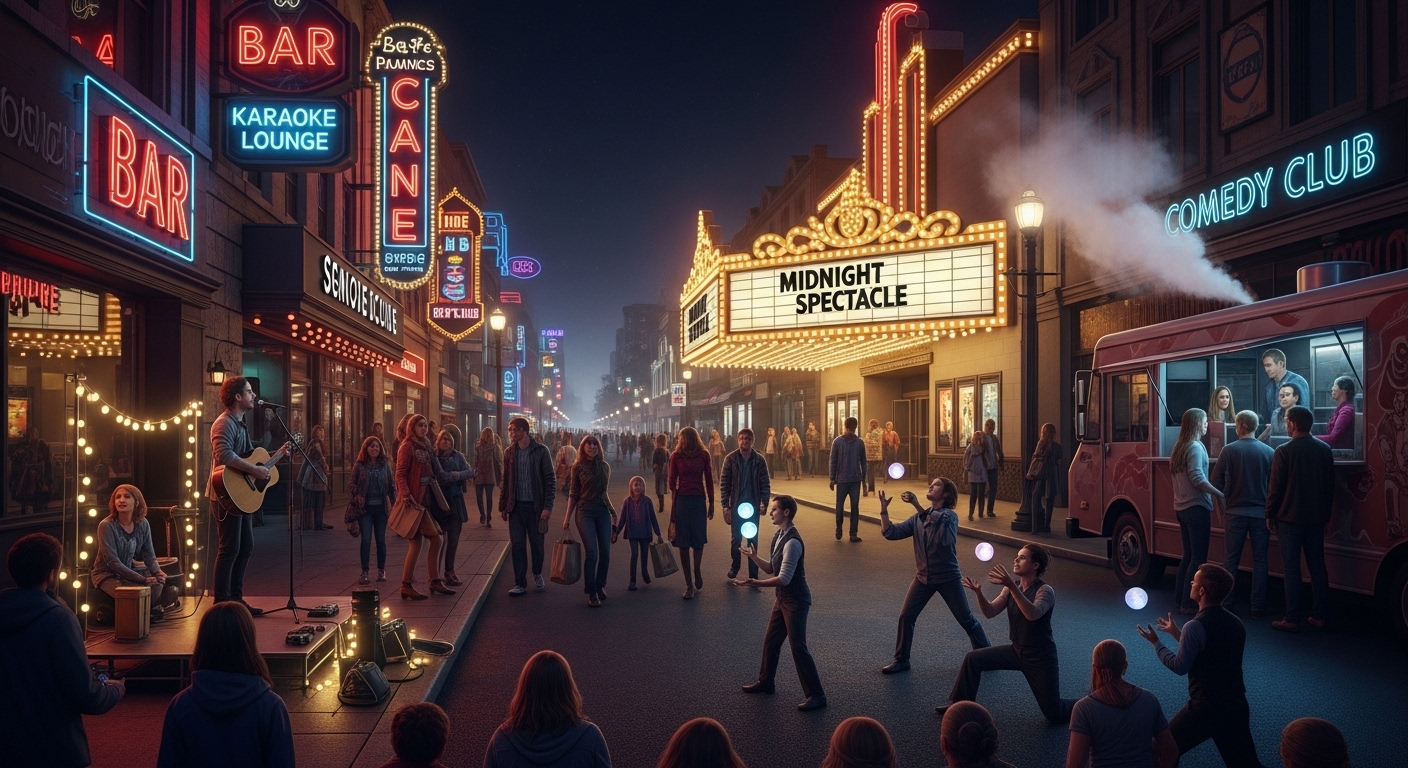
Entertainment has been an integral part of human civilization since the dawn of time. Whether through storytelling around a campfire, music echoing through royal courts, or cinematic masterpieces lighting up modern theaters, entertainment has always reflected the spirit of its age. It not only amuses but educates, connects, and transforms societies. In this extensive exploration, we dive into the vast world of entertainment — its history, evolution, diversity, and future — and how it continues to shape our lives today.
The Roots of Entertainment: Where It All Began
Before televisions, smartphones, or the internet, entertainment took its form through performance, music, and oral traditions. Ancient civilizations used art and theater as powerful means of communication and celebration.
Storytelling as the First Entertainment
In prehistoric societies, storytelling was more than amusement — it was survival. Myths, legends, and folktales were shared to teach lessons, preserve culture, and explain natural phenomena. Elders or shamans would use vivid expressions, chants, and gestures to captivate audiences. These early forms of narrative set the stage for what would become literature and drama.
Music and Dance in Ancient Cultures
Music has always been humanity’s universal language. From tribal drums in Africa to flutes in ancient China and harps in Egypt, rhythm and melody were central to both ritual and recreation. Dance accompanied these performances, embodying joy, grief, or worship. Ancient Greece’s festivals, especially those honoring Dionysus, gave birth to formal theater — tragedies and comedies that still influence modern storytelling.
The Golden Age of Theatrical Arts
As societies grew, entertainment evolved from communal gatherings to structured performances. Theatrical arts became not only cultural symbols but also tools of political expression and moral exploration.
The Drama of Greece and Rome
Greek theater introduced the world to enduring themes — fate, heroism, and morality. Playwrights like Sophocles, Euripides, and Aristophanes explored human nature through vivid dialogue and poetic rhythm. Roman adaptations later added spectacle, using grand amphitheaters and dramatic visual effects.
Medieval and Renaissance Performances
During the Middle Ages, entertainment took to the streets and churches. Mystery plays and morality tales conveyed religious lessons, while jesters and troubadours brought humor and song to courts. The Renaissance then rekindled interest in humanism and creativity, giving rise to playwrights like Shakespeare, whose works remain timeless reflections of passion, ambition, and folly.
The Birth of Modern Entertainment
The Industrial Revolution changed everything — not only how people lived but how they spent their leisure time. The 19th and early 20th centuries witnessed an explosion of new forms of entertainment fueled by innovation and urbanization.
The Rise of Print and the Power of Words
With the printing press and mass literacy, novels became one of the most powerful entertainment mediums. Readers could now escape into imagined worlds through the works of Dickens, Austen, and Twain. Serialized fiction even turned reading into a social event, much like today’s binge-worthy television series.
The Magic of the Stage: Opera, Ballet, and Vaudeville
Opera and ballet combined storytelling, music, and movement, appealing to aristocratic and popular audiences alike. Meanwhile, vaudeville and variety shows offered humor, acrobatics, and song to working-class crowds, laying the foundation for stand-up comedy and live performance culture.
The Cinematic Revolution: When Stories Came to Life
Nothing changed entertainment as profoundly as the invention of cinema. Moving images revolutionized storytelling, transforming imagination into visual experience.
Silent Films and the Birth of Hollywood
The late 1800s introduced motion pictures — short, silent films that fascinated audiences. Early filmmakers like Georges Méliès turned simple motion into wonder, blending fantasy and illusion. By the 1920s, Hollywood emerged as the epicenter of cinema, producing stars like Charlie Chaplin and Buster Keaton who could make audiences laugh or cry without uttering a word.
The Sound Era and the Studio System
With the advent of synchronized sound, films gained new depth. The “talkies” transformed entertainment forever. Studios like Warner Bros., MGM, and Paramount built empires, while genres like musicals, noir, and romance flourished. Cinema became an art form and a business, influencing global culture.
The Golden Age of Music and Radio
Parallel to cinema, the radio revolutionized how people consumed entertainment. Music, drama, and news could now reach millions at once, bringing communities together through shared sound.
The Power of the Airwaves
Families gathered around radios for nightly programs, from comedies to serial dramas. Music stars like Frank Sinatra and Billie Holiday captivated listeners, while radio hosts became celebrities in their own right. It was the first taste of global entertainment in real time.
Birth of Popular Music and Youth Culture
The mid-20th century brought rock and roll, jazz, and soul — genres that defined generations. Elvis Presley’s gyrating moves, The Beatles’ charm, and Aretha Franklin’s voice redefined fame. Music festivals like Woodstock symbolized freedom and rebellion, merging art with social identity.
The Television Era: The Living Room Revolution
Television changed not only entertainment but family life itself. It brought images into homes, bridging the gap between performers and audiences.
The 1950s to 1980s: Golden Television
From sitcoms like I Love Lucy to dramas like Dallas, TV shows became cultural landmarks. News broadcasts brought the world closer, while game shows and cartoons catered to every age group. Television stars became household names, shaping language, fashion, and humor.
The Cable Explosion
By the 1980s and 1990s, cable TV expanded choices beyond imagination. Channels dedicated to sports, music, and documentaries allowed audiences to explore specialized interests. Networks like MTV revolutionized visual music, while sports broadcasting turned athletes into icons.
The Digital Turn: Internet and Streaming Revolution
The 21st century ushered in the digital age — a transformation so vast that it redefined entertainment entirely. The internet, smartphones, and social media blurred the boundaries between creators and consumers.
YouTube and the Rise of the Individual Creator
For the first time, anyone could be an entertainer. Platforms like YouTube democratized fame. Ordinary people became global sensations through creativity, humor, or storytelling. The line between amateur and professional entertainment faded.
Streaming Services and the Binge Era
Services like Netflix, Hulu, and others changed how people watched content. Instead of scheduled broadcasts, audiences demanded control — watch anytime, anywhere. Series became cinematic, storytelling became serialized again, and the concept of the “binge-watch” was born.
The Social Media Phenomenon
Entertainment no longer depended on television or film studios. Platforms like Instagram, TikTok, and Twitter turned attention itself into currency.
The Age of Virality
In this age, entertainment spreads at the speed of a click. A short clip, meme, or trend can reach millions within hours. Artists, influencers, and brands compete for engagement — likes, shares, and comments are the new applause.
The Blurring of Reality and Performance
Social media has also transformed authenticity into performance. Reality shows, livestreams, and vlogs blur the line between real life and entertainment. Every person can curate their life as a show, every viewer can become a participant.
Gaming: The Interactive Frontier of Entertainment
Gaming has grown from a niche hobby into a dominant form of global entertainment, combining storytelling, art, and technology in unique ways.
The Evolution of Video Games
From pixelated classics like Pac-Man to immersive worlds like The Legend of Zelda or Grand Theft Auto, video games have evolved into cinematic experiences. The gaming industry now rivals — and often surpasses — film and music in revenue.
The Rise of Esports and Virtual Worlds
Competitive gaming, or esports, attracts millions of viewers worldwide. Games like League of Legends and Fortnite host tournaments as grand as the Olympics. Meanwhile, virtual worlds like Minecraft or Roblox allow players to create and share their own entertainment ecosystems.
Live Entertainment: The Power of the Present Moment
Even in a digital world, live entertainment remains unmatched in its emotional intensity. Concerts, theater performances, and sports events thrive because they offer something unique — shared experience.
Concerts and Festivals
Music festivals like Glastonbury or Coachella represent more than sound; they’re cultural rituals. The energy of a crowd singing in unison or a performer connecting with fans cannot be replicated on screen. It’s entertainment in its purest human form.
Theatrical Renaissance
Despite streaming, live theater continues to flourish. Productions like Hamilton or The Lion King demonstrate that storytelling on stage still holds immense power. The immediacy of performance — the unedited, unrepeatable — keeps audiences returning.
Entertainment and Technology: The Symbiosis of Creativity and Innovation
Technology has always pushed entertainment forward — from the printing press to virtual reality. Today, artificial intelligence, augmented reality, and interactive media are transforming how we create and consume art.
Virtual Reality and Immersive Storytelling
VR and AR have introduced a new dimension to entertainment. Viewers no longer just watch; they experience. Museums offer virtual tours, concerts happen in the metaverse, and filmmakers craft experiences that react to audience behavior.
Artificial Intelligence in the Creative Process
AI tools can now compose music, write scripts, or design visuals. While some fear automation, many see it as collaboration — machines assisting human creativity, expanding what’s possible in art and storytelling.
Cultural Diversity in Global Entertainment
Entertainment reflects identity, and globalization has made cultural exchange inevitable. From Bollywood’s musicals to K-pop’s synchronized dance, different traditions shape global trends.
The Rise of Non-Western Entertainment
Once dominated by Hollywood, global entertainment now embraces diversity. Korean dramas, Indian films, and African music genres like Afrobeats have crossed borders, showing that creativity knows no geography.
Representation and Inclusion
Entertainment also mirrors social change. The demand for diverse stories and inclusive casting is reshaping industries. Representation has become a moral and creative necessity — proving that entertainment not only reflects society but can also reform it.
The Psychological Impact of Entertainment
Entertainment is more than escape — it shapes minds, emotions, and behavior. It can heal, motivate, or manipulate, depending on how it’s consumed.
Escapism and Emotional Connection
Movies, books, and games offer relief from life’s pressures. They allow people to explore alternate realities and emotions safely. A good story doesn’t just distract; it connects deeply with universal human experiences.
The Dark Side: Addiction and Oversaturation
However, with constant access comes overconsumption. Binge-watching, social media addiction, and endless scrolling can numb creativity and empathy. The challenge today is not finding entertainment, but managing it.
The Business of Entertainment: An Economic Powerhouse
Beyond creativity, entertainment is an economic engine. It employs millions — from artists to technicians — and drives innovation across industries.
The Power of Branding and Merchandising
Successful entertainment franchises go beyond screens. Merchandise, theme parks, and licensing create massive ecosystems. Characters like Mickey Mouse or superheroes have become cultural symbols and billion-dollar empires.
The Global Entertainment Market
With digital distribution, entertainment is now borderless. A song released in one country can top charts globally overnight. Streaming has decentralized access, making creativity the true currency of success.
The Future of Entertainment: Where Imagination Meets Technology
The future promises experiences we can scarcely imagine today. As technology merges with art, entertainment will become more immersive, personalized, and participatory.
Personalized and Predictive Content
Algorithms already recommend what to watch or listen to. In the future, AI might generate custom movies or games tailored to each individual’s mood and preferences — a truly personal form of storytelling.
The Metaverse and Beyond
The concept of the metaverse — a shared digital reality — could redefine entertainment entirely. Virtual concerts, digital fashion, and interactive narratives will merge into living art forms where everyone plays a role.
Conclusion: Entertainment as the Mirror of Humanity
From ancient dances around fires to digital concerts in virtual spaces, entertainment remains the heartbeat of humanity. It evolves, adapts, and reinvents itself — always reflecting who we are and what we dream to be. It brings laughter in sorrow, unity in division, and imagination in routine. In every form — music, film, art, or digital media — entertainment reminds us of our shared need to feel, connect, and create.
Entertainment is not just a pastime; it’s a testament to human creativity. It tells our story — one song, one film, one moment at a time — and as technology grows, that story only becomes richer, more vivid, and more inclusive than ever before.