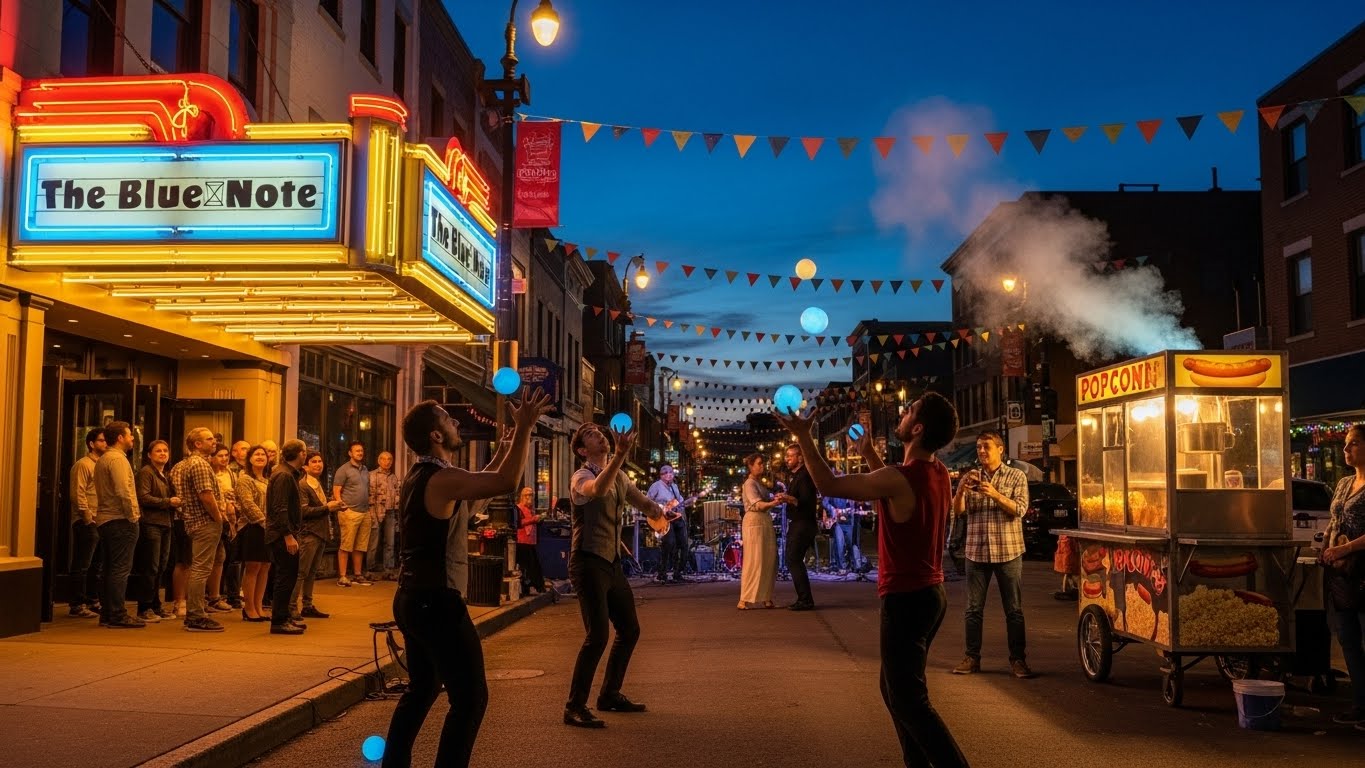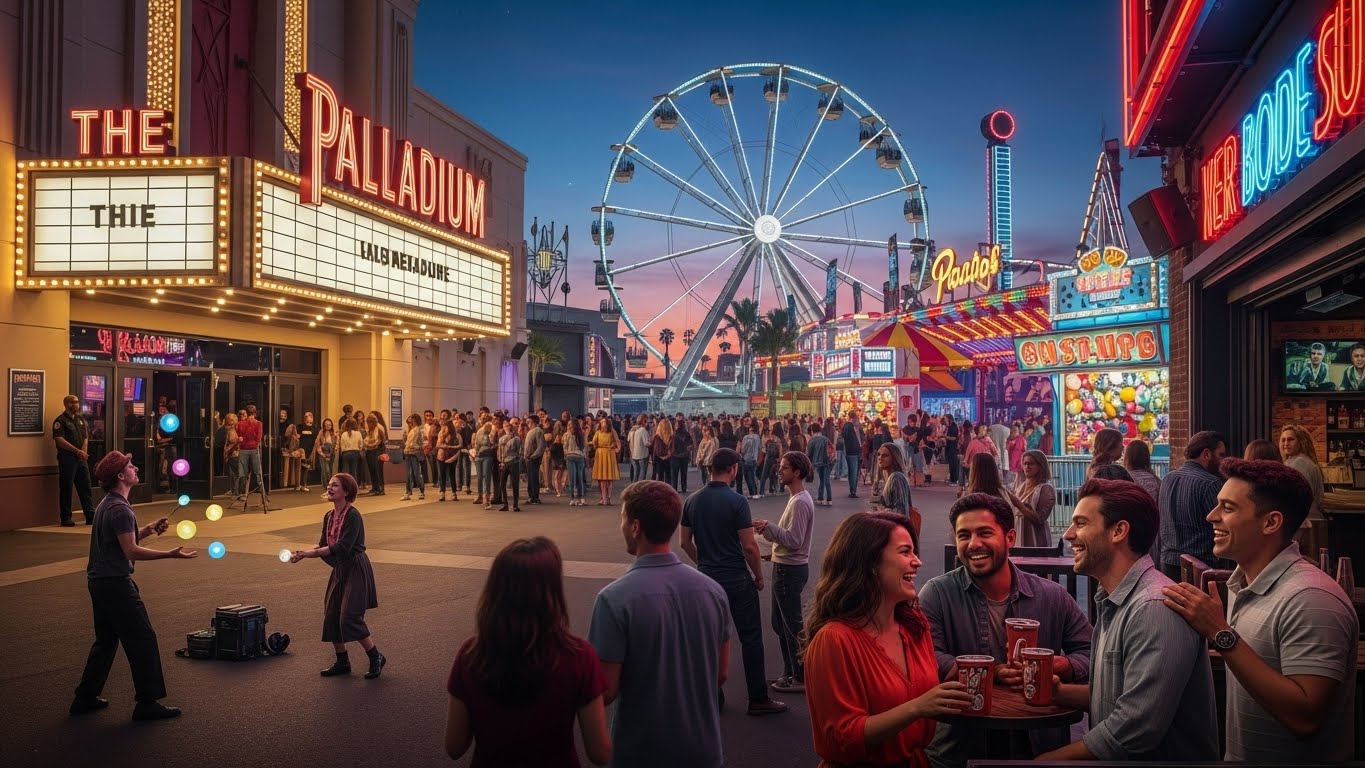
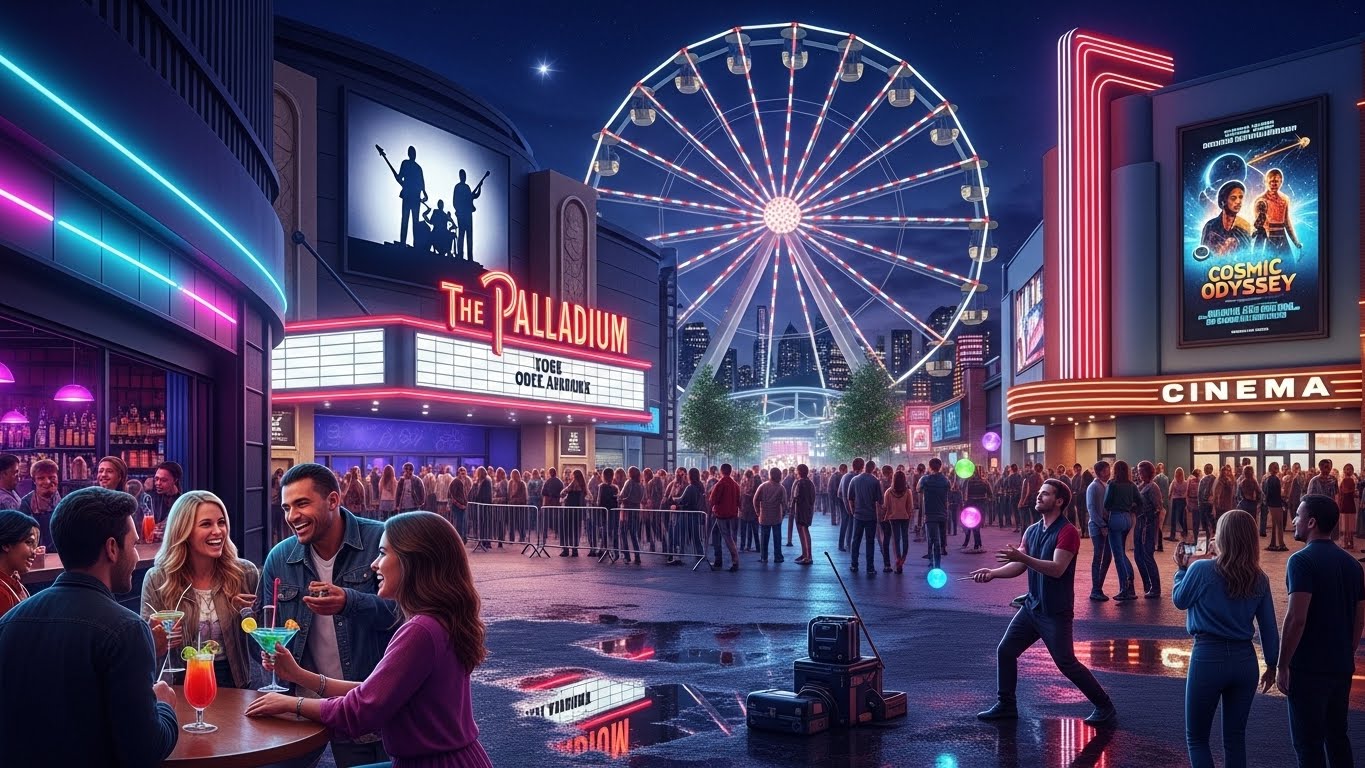
Entertainment is a powerful force that shapes our lives in countless ways. From the ancient rituals of storytelling around a campfire to the high-tech digital spectacles we enjoy today, entertainment has always been central to human culture. It offers not only a means of relaxation and escape but also a space for reflection and social connection. As we look back on its evolution, we gain insight into how our tastes, technologies, and values have changed—and how these shifts continue to impact the entertainment industry in profound ways.
In this blog post, we’ll explore the evolution of entertainment, examining key milestones and trends that have defined it throughout history. From the earliest forms of entertainment to the current digital age, we’ll track how different mediums have shaped the cultural landscape.
Ancient Beginnings: Storytelling and Rituals
Long before the advent of written language, humans relied on oral traditions to entertain, educate, and connect with one another. Storytelling was not just a way to pass time; it was a means of preserving history, passing down knowledge, and creating shared cultural bonds. From epic poems like “The Iliad” to the ancient legends of gods and heroes, stories were a vital part of early human culture.
Beyond storytelling, entertainment in ancient times also took the form of religious rituals, performances, and festivals. The Ancient Greeks, for example, are credited with creating the first form of theater, a mix of drama, music, and dance that was performed in large amphitheaters. This period also gave rise to dramatic works by playwrights such as Sophocles, Euripides, and Aeschylus, whose plays have continued to influence Western theater traditions.
In addition to theatrical performances, gladiatorial games in Ancient Rome provided a different form of mass entertainment, one rooted in spectacle and physical competition. The Colosseum, Rome’s most famous entertainment venue, hosted events where combatants fought for survival, entertaining thousands in the process.
The Middle Ages and the Rise of Royalty-Patronized Arts
After the fall of the Roman Empire, entertainment in Europe became more localized, particularly within the courts of kings and noble families. The Middle Ages were characterized by elaborate feasts, jousting tournaments, and courtly dances, all of which served as entertainment for the aristocracy. This period also saw the rise of minstrels, troubadours, and bards, who traveled from town to town performing songs, telling stories, and reciting poetry for the common people.
Religious celebrations played a significant role in entertainment during the Middle Ages as well. The church was not only a place of worship but also a place for theatrical mystery plays and morality dramas. These performances often depicted biblical stories or allegorical tales about good and evil. The growth of festivals and fairs also provided opportunities for entertainment, especially for the lower classes.
The Renaissance: A Golden Age of Art and Performance
The Renaissance marked a rebirth of interest in the arts, science, and culture. During this period, entertainment became increasingly sophisticated and intellectual. The era saw the creation of some of the world’s most famous works of art and literature, from the paintings of Leonardo da Vinci to the plays of William Shakespeare.
In the realm of theater, the Renaissance gave rise to one of the most influential periods in drama history. Shakespeare’s Globe Theatre in London became the center of theatrical performances, attracting audiences from all walks of life. His plays, filled with complex characters and universal themes, remain among the most performed works in the world today.
The Renaissance was also the age of great musical compositions, with composers such as Johann Sebastian Bach and Ludwig van Beethoven producing works that are still celebrated today. Music became a more refined form of entertainment, enjoyed by both the elite and the masses. The growth of opera as a genre also began during this period, combining dramatic storytelling with intricate musical compositions.
The Industrial Revolution and Mass Entertainment
The Industrial Revolution of the 18th and 19th centuries brought profound changes to every aspect of life, and entertainment was no exception. As cities grew and new technologies emerged, the nature of entertainment began to change drastically. The invention of the printing press allowed for the mass production of books, newspapers, and magazines, which made literature and news more widely accessible.
The 19th century also saw the birth of photography and cinema. The first motion picture camera was developed in the late 1800s, and the early 20th century marked the beginning of the golden age of cinema. Hollywood quickly became the center of the global film industry, with iconic films like The Birth of a Nation and Citizen Kane setting new standards in filmmaking.
In addition to film, the rise of radio in the early 20th century revolutionized the entertainment landscape. Radio programs provided a new form of entertainment that could be enjoyed by people in their homes. The rise of celebrities like Orson Welles, whose War of the Worlds broadcast caused widespread panic, and the emergence of iconic radio programs such as The Shadow and The Lone Ranger paved the way for future forms of entertainment.
The Digital Age: Entertainment at Our Fingertips
With the advent of computers and the internet, the landscape of entertainment entered a new era. The 1990s and 2000s saw the rise of video games, the internet, and digital media, revolutionizing how people consumed entertainment. The development of home video game consoles like the Sony PlayStation and Microsoft Xbox created a massive gaming industry that continues to thrive today.
The internet also introduced the concept of streaming services, changing how we watch television and movies. Platforms like Netflix, Hulu, and Amazon Prime Video have shifted the entertainment industry away from traditional cable television and movie theaters, offering on-demand content with an endless array of options. Streaming has not only altered how we consume media but has also transformed the types of content that are produced, with series like Stranger Things and The Crown becoming global phenomena.
The Rise of Social Media as a Form of Entertainment
One of the most significant changes in recent years has been the rise of social media as a form of entertainment. Platforms like YouTube, Instagram, TikTok, and Twitter have enabled users to create, share, and consume entertainment on an unprecedented scale. Influencers, vloggers, and content creators have emerged as a new form of celebrity, with millions of followers and lucrative endorsement deals.
Social media has also facilitated the rise of meme culture, where humor, viral videos, and trends spread rapidly across the internet. This has created a new form of entertainment that is more interactive and participatory, allowing users to engage with content in real-time and shape the direction of trends.
Moreover, live streaming platforms like Twitch have turned gaming and real-time interaction into a form of entertainment for millions. People now tune in to watch others play video games, engage in discussions, or share their daily lives, creating a new kind of community-driven entertainment.
The Future of Entertainment: Virtual and Augmented Reality
As technology continues to advance, the future of entertainment promises even more immersive experiences. Virtual Reality (VR) and Augmented Reality (AR) are expected to play a major role in the next wave of entertainment. VR offers the potential for fully immersive experiences, where users can enter entirely virtual worlds and interact with them in ways that were once the stuff of science fiction.
For example, VR gaming has already started to offer experiences that place players directly into digital worlds. Meanwhile, AR has begun to transform the way we engage with entertainment in the real world, with apps that blend digital elements into our physical environment. This could open up new avenues for everything from interactive live performances to location-based entertainment experiences.
Additionally, advancements in artificial intelligence (AI) are likely to continue influencing the entertainment industry, particularly in content creation. AI-powered algorithms are already being used to personalize recommendations, but in the future, AI might assist in creating new forms of media, from interactive films to AI-generated music.
Conclusion: Entertainment as a Reflection of Society
The evolution of entertainment reflects the changing values, technologies, and social dynamics of human societies throughout history. From ancient storytelling to today’s high-tech spectacles, entertainment has always served as a mirror, reflecting the hopes, dreams, and struggles of the people who create and consume it.
In the modern era, entertainment has become more global, accessible, and interactive than ever before. With the rise of new technologies like VR, AR, and AI, the possibilities for future entertainment are endless. Whether through the ancient art of storytelling or cutting-edge digital experiences, entertainment will continue to be a central part of human culture, offering both an escape and a mirror to our evolving world.
As we move forward into an even more interconnected and technologically advanced future, one thing is certain: entertainment will remain a dynamic force that continues to evolve and shape the way we live, laugh, and dream.