Introduction
Entertainment has always been a reflection of human culture, imagination, and the desire to connect. From ancient storytelling and live performances to movies, music, and video games, people have sought ways to be captivated, inspired, and amused. Today, the landscape of entertainment is evolving faster than ever, influenced by technology, globalization, and the changing ways audiences interact with content. In this blog, we explore the history, current trends, and future of entertainment, analyzing how creativity and innovation are shaping the way we experience fun.
The Origins of Entertainment
Entertainment is as old as humanity itself. Early humans gathered around fires to tell stories, sing, and perform rituals, creating a shared sense of culture and community. Storytelling, music, and dance were the first forms of entertainment, designed to educate, inspire, and amuse.
With the development of theater in ancient civilizations, live performance became a central form of entertainment. Greek tragedies, Roman spectacles, and later, medieval plays, allowed audiences to experience emotion, suspense, and moral lessons in a communal setting. This laid the foundation for modern entertainment, where emotional engagement and storytelling remain at the core.
The Rise of Film and Television
The invention of the motion picture in the late 19th century marked a turning point in entertainment. Film allowed stories to be captured, reproduced, and shared with larger audiences than ever before. Early silent films captivated audiences with visual storytelling, while the introduction of sound added new dimensions to cinematic experiences.
Television later brought entertainment into homes, creating a new culture of shared viewing. Families gathered to watch programs, news, and live events, making television a central part of social life. The growth of cable and satellite television expanded choices and genres, offering everything from dramas and comedies to documentaries and reality shows.
The Digital Revolution and Streaming Era
The internet and digital technology have transformed entertainment in profound ways. Streaming platforms allow audiences to access movies, TV shows, and music on-demand, eliminating traditional schedules and geographic restrictions. Binge-watching has become a cultural phenomenon, and global releases allow viewers around the world to experience content simultaneously.
Interactive series and online content blur the line between storytelling and gaming. Viewers can make choices that affect the narrative, creating immersive experiences that were impossible in traditional media. This evolution shows that modern entertainment is no longer just a passive activity—it is interactive and participatory.
Gaming: From Niche Hobby to Mainstream Entertainment
Video games have grown from a niche hobby into one of the most popular forms of entertainment worldwide. Early arcade and console games focused on competition and simple fun, but modern games combine storytelling, strategy, and social interaction.
Esports and competitive gaming have elevated gaming to spectator entertainment. Professional leagues, tournaments, and live streams attract millions of viewers, while games themselves provide immersive experiences that engage players emotionally and mentally. Gaming’s appeal lies in its interactivity, creativity, and ability to bring people together in virtual spaces.
Music in the Modern Age
Music has always been central to entertainment, but digital platforms have revolutionized access and distribution. Streaming services allow users to discover new artists and genres instantly, creating a global audience for musicians. Social media platforms enable artists to engage directly with fans, share behind-the-scenes content, and promote live events.
Virtual concerts and live-streamed performances offer unique ways for audiences to experience music beyond physical venues. Music now blends with other forms of entertainment, including gaming, film, and online events, creating immersive experiences that combine multiple sensory elements.
Live Performances and Immersive Experiences
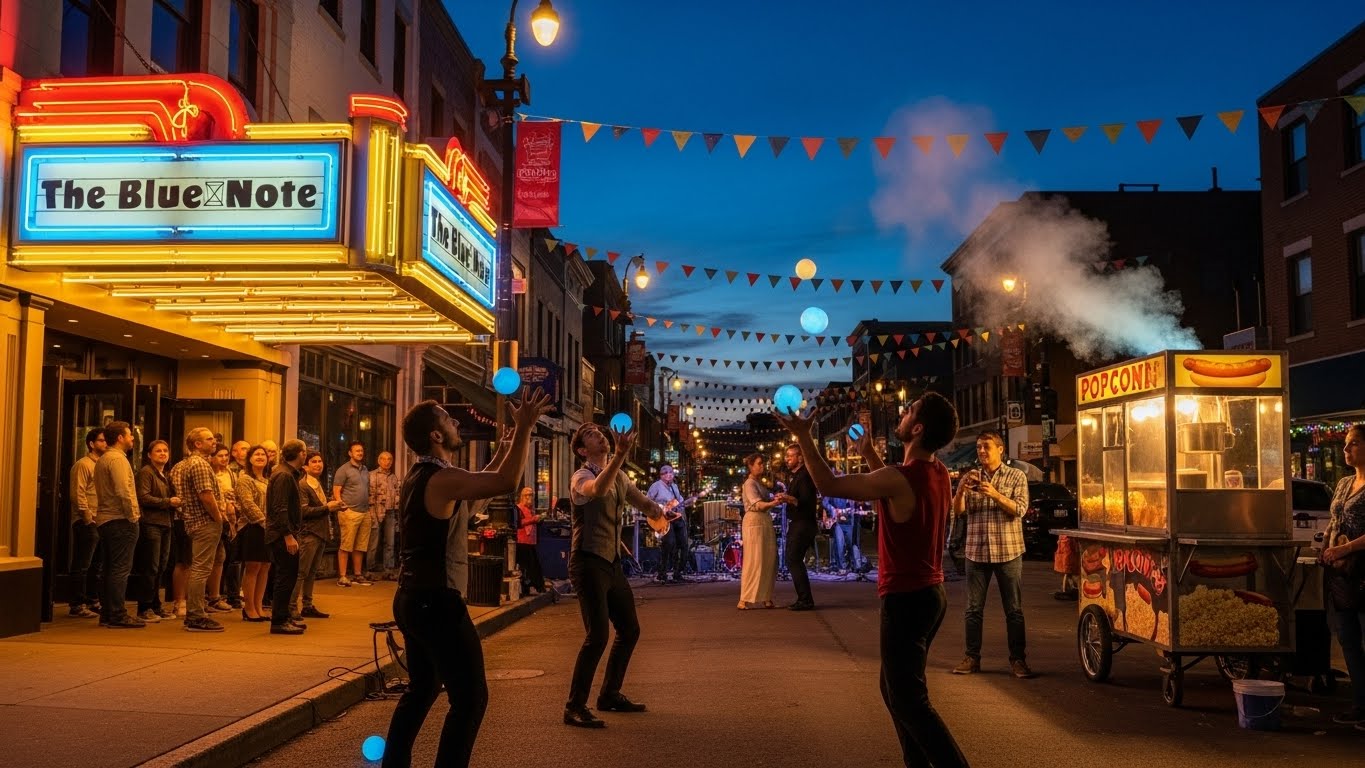
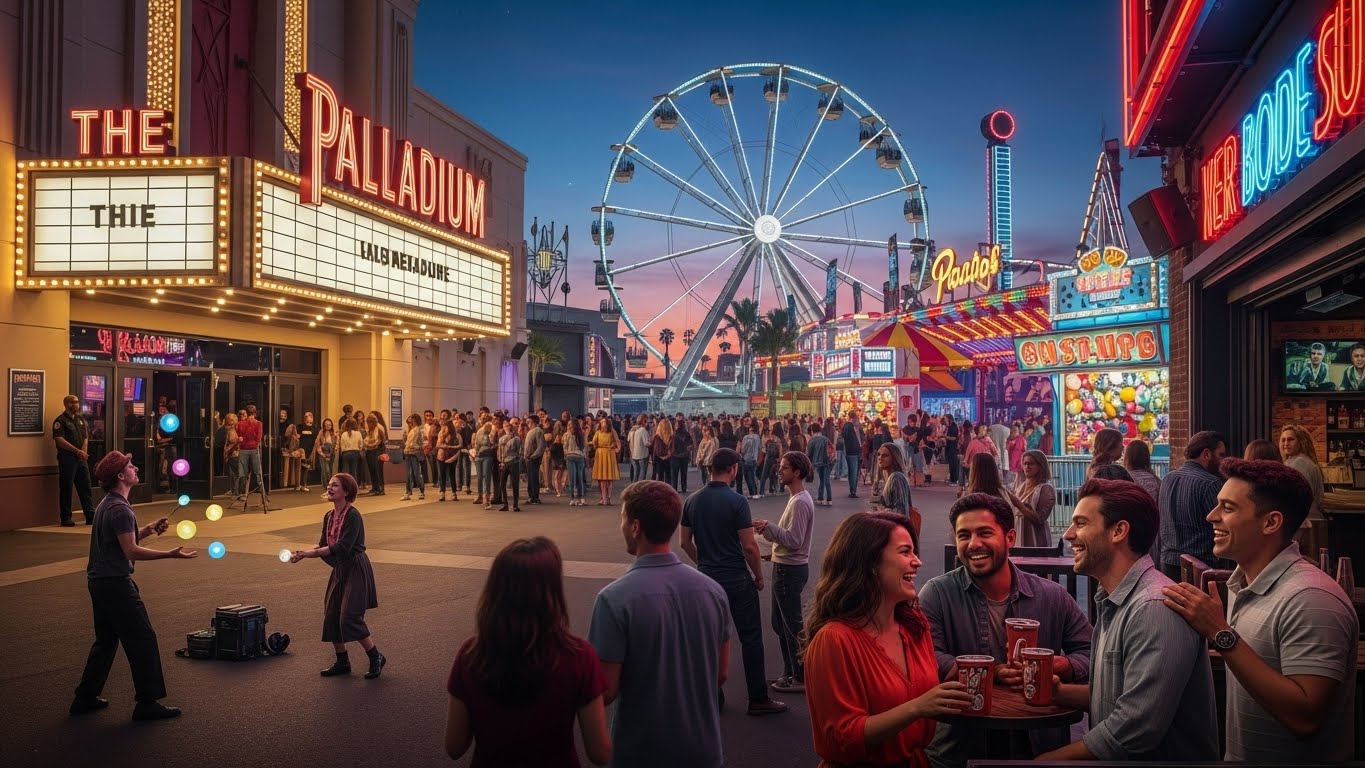
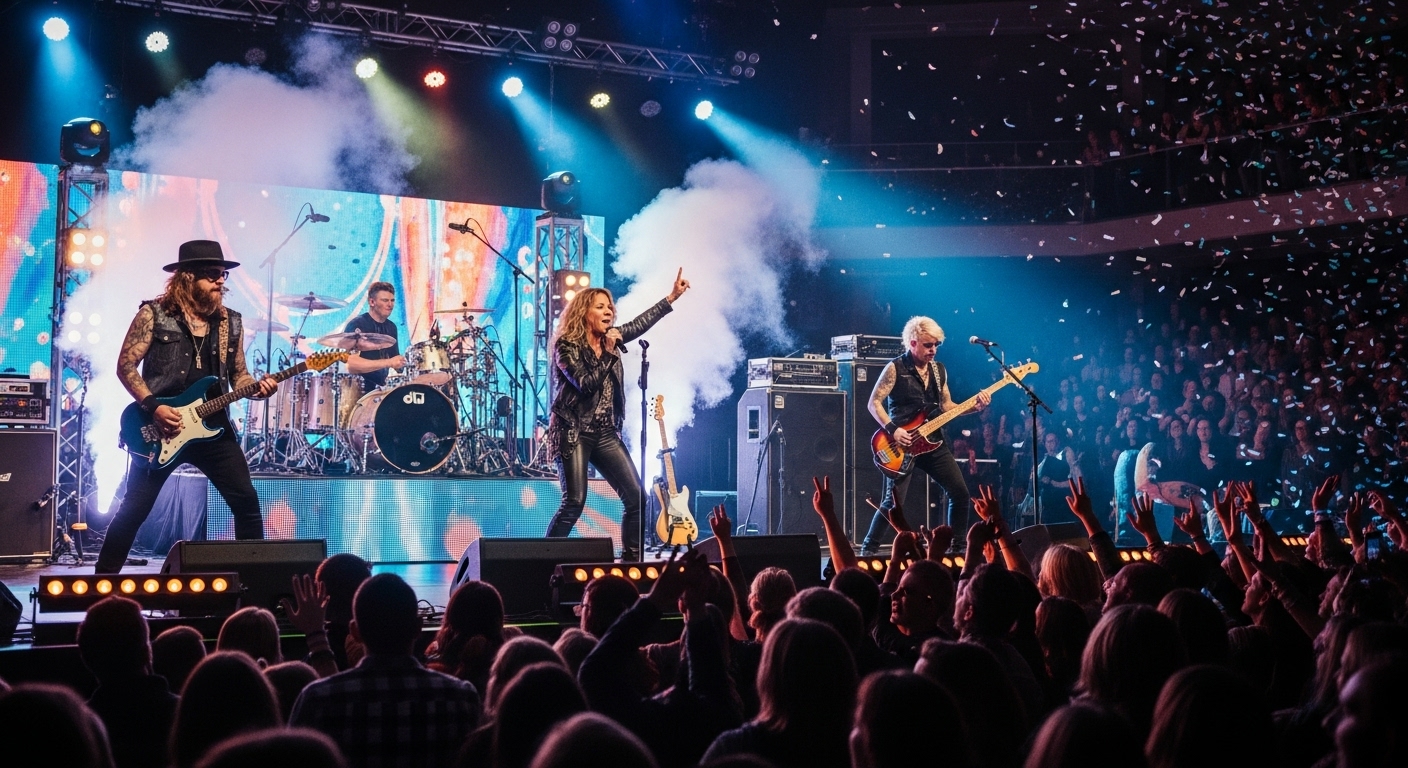
Despite technological advances, live performances remain a vital part of entertainment. Theater, concerts, dance, and live shows offer a sense of immediacy and connection that cannot be replicated digitally. Modern technology has enhanced these experiences with elaborate stage designs, lighting, sound, and interactive elements.
Virtual reality and augmented reality extend live entertainment beyond physical spaces. Audiences can attend concerts, theatrical performances, or immersive exhibitions from home, exploring interactive environments that blend reality and imagination. This fusion of traditional and digital entertainment continues to expand creative possibilities.
The Influence of Social Media
Social media has changed the way people consume and create entertainment. Short videos, live streams, and viral content provide endless opportunities for amusement and engagement. Platforms allow audiences not only to consume content but also to participate in trends, challenges, and fan communities.
Social media fosters interactivity, allowing fans to influence content, interact with creators, and share experiences with global audiences. This direct engagement transforms entertainment from a passive experience into a communal and participatory activity.
Animation and Digital Arts
Animation and digital art have become critical elements of modern entertainment. Movies, television, video games, and online content use animation to create immersive worlds and tell stories beyond the limitations of reality. Advances in technology allow independent artists to produce high-quality content, democratizing creative expression.
Digital art also intersects with music, live performances, and interactive experiences. The fusion of visual arts and technology enhances engagement, providing audiences with multi-dimensional entertainment that stimulates the senses and imagination.
Entertainment and Cultural Impact
Entertainment is not merely a source of amusement—it shapes culture, values, and social norms. Films, music, games, and performances reflect society, inspire creativity, and bring attention to important issues. Representation in entertainment allows diverse voices to be heard, fostering empathy and understanding across communities.
Global access to entertainment has created cross-cultural influence, with audiences experiencing stories, music, and games from around the world. This cultural exchange enriches creativity, promotes tolerance, and builds shared experiences that connect people across borders.
The Business of Entertainment
Entertainment is also a powerful economic engine. Streaming services, gaming companies, music platforms, and live events generate billions in revenue annually. Content creators monetize their work through advertisements, sponsorships, subscriptions, and merchandise, creating sustainable careers.
Investments in technology and innovation continue to expand possibilities for creators and audiences. The economic success of entertainment drives diversity, experimentation, and quality, ensuring that audiences have access to engaging and innovative experiences.
Future Trends in Entertainment
The future of entertainment is shaped by technology, creativity, and interactivity. Artificial intelligence may assist in content creation, personalized storytelling, and virtual performances. Virtual and augmented reality will expand immersive experiences, allowing audiences to interact with stories and environments like never before.
Entertainment will continue to merge across mediums. Games influence film, music enhances interactive content, and social media amplifies global reach. Audiences will increasingly participate in shaping narratives, trends, and experiences, making entertainment a collaborative and evolving phenomenon.
Conclusion
Entertainment has evolved from storytelling around fires to interactive digital experiences enjoyed by global audiences. Modern entertainment blends creativity, technology, and community participation, creating experiences that are immersive, interactive, and culturally significant.
The future promises limitless innovation, global connectivity, and new forms of storytelling that engage audiences on multiple levels. Entertainment is not just a source of amusement; it is a reflection of culture, a tool for connection, and a driving force for creativity. As technology and imagination continue to advance, the ways we experience fun will continue to expand, making entertainment an essential part of human life.