
Introduction
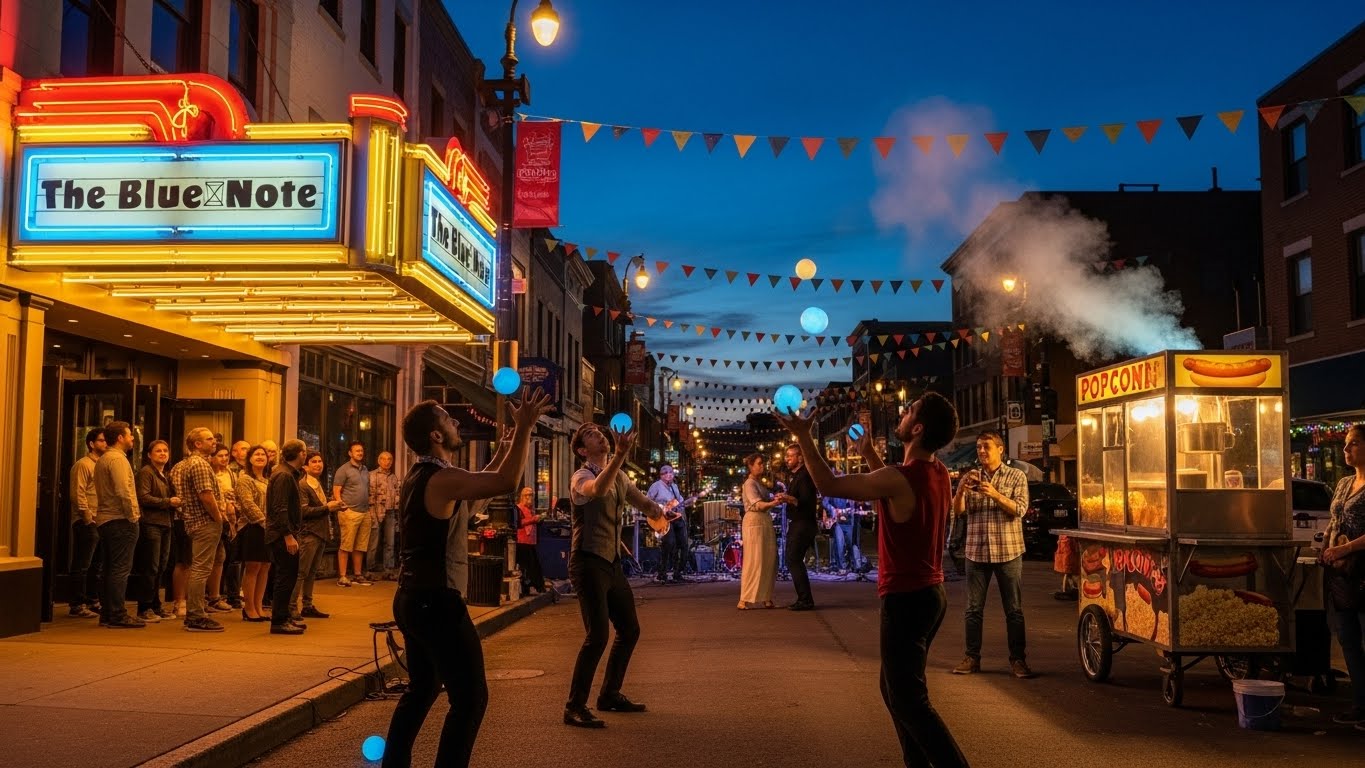
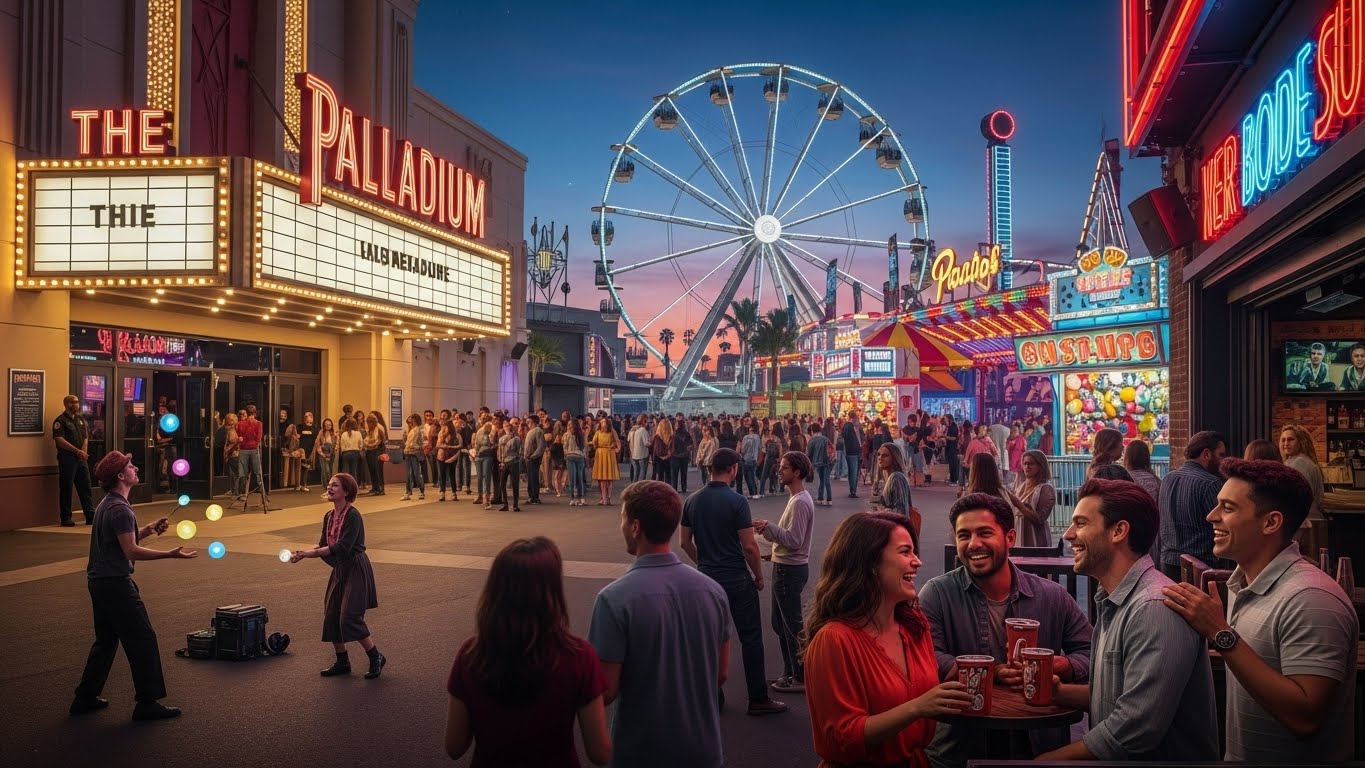
Entertainment has always played a pivotal role in human culture, evolving from simple folk music and live theater to the dynamic, diverse digital experiences we enjoy today. The last few decades have seen an unprecedented transformation in how we consume entertainment. What once relied on television, radio, and live performances has now shifted to digital platforms, where content is available on-demand, anytime and anywhere. With the rise of streaming services, social media, video games, and interactive technology, entertainment has become more personalized and immersive than ever before. In this post, we will explore how entertainment has changed over the years, the role digital media plays in our lives, and how it’s shaping the future of both content creation and consumption.
The Early Days of Entertainment: A Simpler Time
Entertainment has existed in some form for thousands of years. In ancient cultures, entertainment was often a social activity—musicians would perform at banquets, storytellers would gather crowds around a fire, and actors would put on live performances in amphitheaters. These forms of entertainment were usually communal, and the experience was shared between the performers and the audience in real-time. For centuries, entertainment was about direct interaction and engagement, with much of it centered around live events such as theater, festivals, and public performances.
With the invention of the printing press in the 15th century, literature and written works became more accessible to the public, providing new forms of entertainment, particularly in the form of novels, poetry, and magazines. But it was the 20th century, with the arrival of radio, television, and film, that marked the real beginning of mass entertainment.
The golden age of cinema in Hollywood, the rise of television as a staple in households, and the invention of the radio transformed entertainment from a local, communal experience to a global one. By the mid-20th century, television broadcasts brought families together to watch the same shows, and movies became a universal escape from the realities of everyday life.
The Digital Transformation: Streaming, Social Media, and Beyond
The digital revolution began in the late 20th century, with the advent of the internet. The internet did not just change the way we communicate; it completely reshaped the way we consume and experience entertainment. As the internet grew, so did the platforms that provided content—making entertainment more accessible, personal, and interactive. Instead of waiting for a television show to air at a set time or going to a movie theater to watch the latest blockbuster, audiences now had the power to choose what to watch, when to watch, and on what device.
The Rise of Streaming Services
One of the biggest shifts in entertainment came with the launch of streaming services. Platforms like Netflix, Amazon Prime, and Hulu made it possible for people to stream movies, TV shows, and documentaries from the comfort of their homes. No longer were audiences beholden to a network’s schedule or tied to a physical medium like VHS tapes or DVDs. With streaming, the content was available on-demand, giving viewers complete control over their entertainment.
Streaming services revolutionized the way we consume television and film. Binge-watching, once a rare occurrence, has now become a common practice, with viewers watching entire seasons of a show in a single sitting. This shift has not only impacted how people watch shows but also how content is made. The rise of original programming on platforms like Netflix and Amazon Prime has resulted in an explosion of new, diverse content, pushing traditional television networks to evolve or risk losing relevance.
Social Media and User-Generated Content
The rise of social media platforms like Facebook, Instagram, TikTok, and Twitter has brought entertainment closer to home—literally. Through social media, users can engage with content creators, share their own experiences, and interact with friends and followers. Social media has created a new ecosystem where celebrities, influencers, and regular people can all contribute to the entertainment landscape.
Social media platforms have made it easier for people to create and distribute content, giving rise to the phenomenon of user-generated entertainment. From viral videos to memes, social media has democratized entertainment, allowing anyone with a camera and internet access to share their creativity with the world. The power of social media platforms like YouTube has allowed independent creators to build massive followings and monetize their content. Influencers, who were once primarily confined to niche audiences, now reach millions with sponsored posts, unboxing videos, and lifestyle content.
TikTok has become particularly significant in the world of entertainment, allowing users to create short, catchy videos that quickly go viral. Music artists, in particular, have leveraged TikTok to promote their songs, with hits like “Old Town Road” and “Savage Love” gaining popularity through viral dance challenges. TikTok’s influence on the music industry, fashion trends, and viral humor is an example of how social media platforms can completely reshape how entertainment is consumed.
Interactive Entertainment: Video Games and Virtual Reality
Another significant evolution in entertainment comes from the gaming industry. Video games have become a dominant form of entertainment, offering interactive experiences that allow players to step into different worlds, tell their own stories, and experience challenges in ways that traditional media cannot replicate. Games like Fortnite, Minecraft, and The Witcher 3 offer open worlds, complex narratives, and social environments where players can interact with one another in real-time.
Video games have evolved from simple arcade machines to highly sophisticated, immersive experiences. With the advent of next-gen consoles, improved graphics, and the integration of virtual reality (VR), gaming is now more interactive and engaging than ever before. VR platforms like Oculus Rift, HTC Vive, and PlayStation VR allow users to experience games and virtual environments in 360 degrees, making the entertainment experience more immersive.
In addition to traditional gaming, the rise of esports has turned competitive gaming into a global spectacle. Esports tournaments now attract millions of viewers, with professional gamers competing for huge cash prizes. Titles like League of Legends, Dota 2, and Counter-Strike: Global Offensive have turned gaming into a spectator sport, creating opportunities for players, coaches, and analysts to make careers out of their gaming skills.
The Impact of On-Demand Content: Changing Habits and Expectations
The shift to on-demand content has had a profound effect on how we view entertainment. We no longer live in a world where television programming is limited to scheduled broadcasts or where movies require a trip to the theater. This change has not only given us convenience but has also altered the very nature of how we experience entertainment. The “water cooler” moment—where people would gather to discuss the latest episode of a TV show or a film—has become fragmented. With streaming, everyone watches at their own pace, and conversations about entertainment can be asynchronous, with people discussing the same shows, but at different points in the story.
The ability to watch what we want, when we want, has also led to an expectation of convenience and variety. Today’s audiences are more selective than ever. If a TV show or film doesn’t capture attention quickly, viewers can simply move on to something else. With an abundance of choices at their fingertips, people now expect to find exactly what they want, whether that’s a gripping drama, a light comedy, or an obscure documentary.
In addition, the ability to skip advertisements has become a significant factor in content consumption. Streaming services like Netflix and Hulu offer ad-free experiences, allowing audiences to consume content without interruption. This model has forced traditional networks and advertisers to rethink their strategies, as audiences have grown accustomed to on-demand, commercial-free content.
The Future of Entertainment: New Frontiers on the Horizon
The entertainment industry is not slowing down. As technology continues to advance, we can expect even more profound changes in how content is created, distributed, and consumed. Some of the biggest developments on the horizon include:
1. Augmented and Virtual Reality
The integration of augmented reality (AR) and virtual reality (VR) into entertainment experiences is poised to revolutionize the industry. While VR gaming has already made significant strides, AR technology is being used to bring new forms of interactive entertainment to life. For example, AR is being used in live concerts, allowing audiences to interact with holographic elements during the performance.
The potential for AR and VR to reshape not only gaming but also films, concerts, and sports events is immense. VR movies and AR-enhanced live events could bring entirely new forms of immersive storytelling and engagement.
2. AI-Generated Content
Artificial intelligence (AI) is already being used to recommend content to viewers based on their preferences, but in the future, AI could play an even bigger role in content creation. AI has the potential to generate stories, create realistic digital actors, and even compose music. While this may seem futuristic, there are already AI-created songs, paintings, and short films making waves in the creative industries.
3. The Metaverse
The concept of the metaverse—the idea of interconnected virtual worlds where users can interact with each other and digital environments in real-time—is rapidly gaining traction. Platforms like Facebook (now Meta) are investing heavily in the development of metaverse spaces, where entertainment, social interaction, and commerce all blend together in a virtual environment. The metaverse could change the way we experience entertainment, work, socialize, and even consume goods and services.
Conclusion
The entertainment industry has evolved dramatically over the years, from the simple pleasures of folk songs and theater performances to the immersive, interactive digital experiences we have today. The rise of digital media, streaming services, social platforms, and interactive technologies like video games and virtual reality has revolutionized the way we consume and experience entertainment. As new technologies like AI, the metaverse, and augmented reality continue to develop, we are only scratching the surface of what is possible. The future of entertainment promises even more immersive, personalized, and engaging experiences that will continue to shape our culture and our world. The entertainment revolution is ongoing, and we are just beginning to experience its