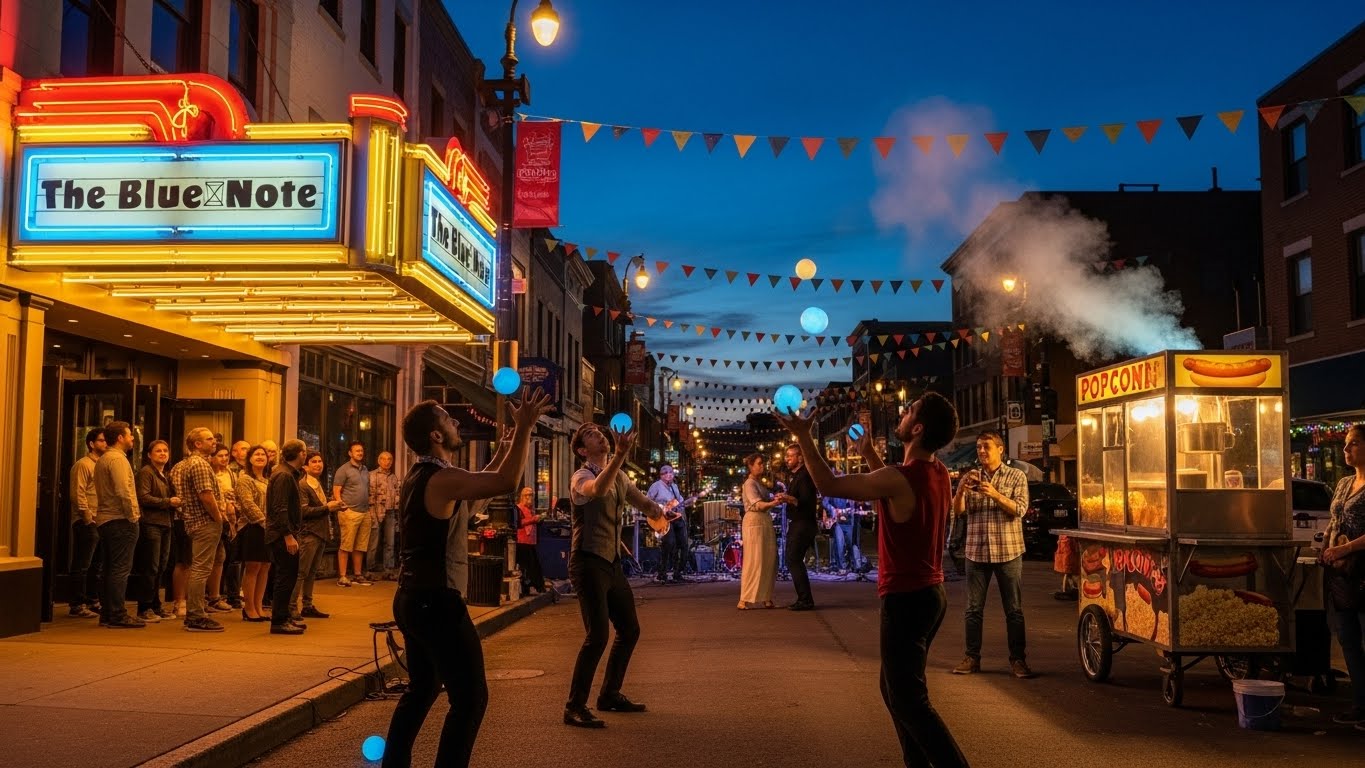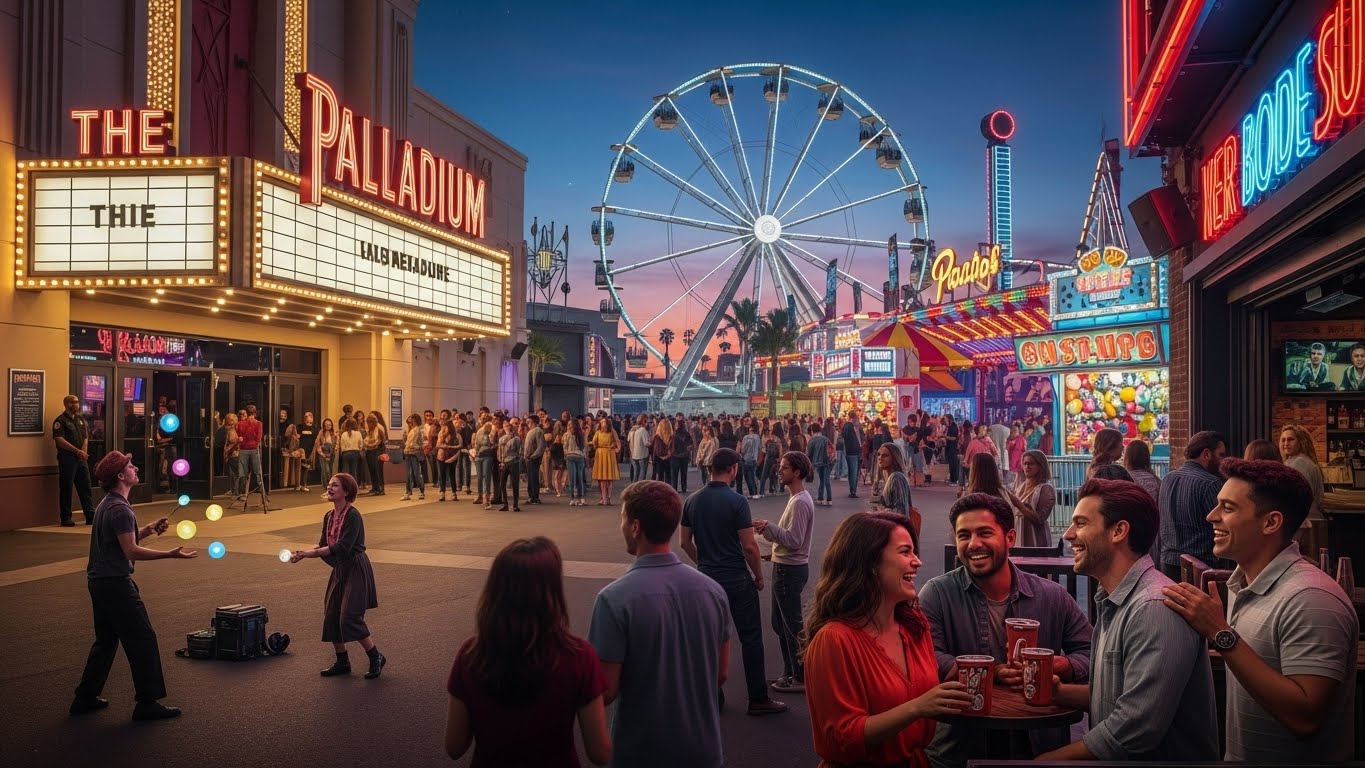

Entertainment has always been an inseparable part of human life. It has evolved through centuries, adapting to every new era and technology while keeping one goal alive—to bring joy, inspiration, and a sense of connection to people. Whether it’s a grand theater performance, a captivating movie, a heartwarming song, or a video on a smartphone, entertainment continues to shape cultures, emotions, and imaginations. In this blog, we will explore the deep roots, transformation, and future of entertainment as one of the most influential forces in human history.
The Roots of Entertainment in Ancient Civilizations
The story of entertainment begins long before television, cinema, or social media. In ancient times, entertainment took the form of storytelling, dance, music, and rituals. Communities gathered around fires to listen to tales of heroes, gods, and mythical adventures. These stories not only entertained but also passed down values, traditions, and wisdom from one generation to another.
In ancient Egypt, people enjoyed music, banquets, and festivals dedicated to gods. In Greece, entertainment was intellectual and emotional, often performed in amphitheaters where tragedies and comedies explored human nature. Meanwhile, in ancient India and China, poetry, dance, and drama became refined art forms that celebrated beauty, philosophy, and moral values.
Entertainment in these times was not just about pleasure—it was a social event that built unity, cultural identity, and collective memory.
The Emergence of Theater and Live Performances
Theater became one of the earliest structured forms of entertainment. It combined acting, music, costumes, and dialogue to portray human experiences in front of a live audience. The Greeks developed sophisticated theatrical traditions, and playwrights like Sophocles and Aristophanes wrote stories that are still studied today.
During the Middle Ages, theater evolved to include religious plays and traveling performers who brought laughter and lessons to villages. The Renaissance took theater to new heights, introducing iconic figures such as William Shakespeare. His plays explored love, jealousy, ambition, and destiny—universal themes that continue to inspire filmmakers and writers worldwide.
Live performances became a symbol of creativity and culture, and to this day, theater remains one of the most powerful expressions of art.
The Rise of Music and Dance as Global Languages
Music and dance are among the most ancient and universal forms of entertainment. From tribal drumming to symphony orchestras, they have the power to communicate emotions without the need for words. Throughout history, music evolved as instruments were invented and styles merged across cultures.
In the 18th and 19th centuries, classical composers such as Beethoven and Mozart transformed music into an elegant art form that could express both sorrow and triumph. Later, the birth of jazz, rock, and pop reshaped entertainment completely. Music became a voice for generations—representing freedom, rebellion, love, and hope.
Dance, too, followed this evolution. From traditional folk dances to contemporary choreography, it has remained an art that combines physical expression with emotional storytelling. Together, music and dance became the heartbeat of global entertainment.
The Birth of Cinema: A New Age of Storytelling
The late 19th century brought a revolutionary invention—the motion picture. What began as a series of silent, black-and-white images soon turned into one of the most powerful entertainment industries in the world. Early filmmakers like Charlie Chaplin and Georges Méliès introduced humor and fantasy that captivated audiences everywhere.
As technology advanced, films added sound, color, and special effects, allowing stories to come alive in ways never imagined before. The golden age of Hollywood in the mid-20th century produced unforgettable classics and turned actors into global icons. Movies became more than just entertainment—they became a shared cultural experience that shaped fashion, behavior, and imagination.
Cinema opened a new world of emotions and possibilities, giving audiences the chance to see and feel stories beyond their own realities.
The Evolution of Television and Home Entertainment
The invention of television brought entertainment from theaters into homes. What once required a trip to the cinema could now be enjoyed from the comfort of one’s living room. Families gathered to watch comedies, news, dramas, and live events together. Television created shared experiences that defined entire generations.
Shows became cultural phenomena, influencing language, fashion, and everyday life. From sitcoms that brought laughter to dramas that reflected real social issues, television became both a mirror and a teacher. Game shows, cartoons, and music programs expanded its reach to audiences of all ages.
With time, cable networks and satellite channels offered diverse content, ensuring that everyone could find something to enjoy. Television became a companion, a storyteller, and a window to the world.
The Digital Revolution and the Internet Era
The arrival of the internet completely changed the face of entertainment. Suddenly, information and creativity were no longer limited by geography or industry control. People could produce, share, and enjoy content from anywhere in the world.
Streaming services revolutionized how people watch movies and shows. Instead of waiting for scheduled broadcasts, audiences could now choose what, when, and how they wanted to watch. Music also went digital, allowing instant access to millions of songs on-demand. Social media platforms created a new kind of entertainer—the influencer, the gamer, and the vlogger—who could connect directly with audiences.
Video games became a dominant form of modern entertainment, merging storytelling, art, and interactivity. With advanced graphics and virtual reality, games now provide cinematic experiences that rival films in emotional depth. The internet turned entertainment into a two-way interaction, where audiences are not just viewers but participants.
How Technology Changed Audience Habits
Technology has made entertainment more accessible and personal. Once, people had to visit theaters, buy CDs, or wait for TV programs. Now, entertainment is just a tap away. Smartphones, tablets, and laptops have made it possible to enjoy movies, music, and games anywhere, anytime.
This shift has also changed how people experience entertainment. Binge-watching entire seasons, streaming concerts live, or following daily vlogs has become normal. Algorithms now recommend personalized content, shaping what people see and hear. While this convenience is incredible, it also brings challenges—shorter attention spans, overexposure, and digital fatigue.
Yet, despite these issues, technology continues to create new ways for people to enjoy and share creativity. It has democratized entertainment, giving every individual the power to become a creator.
The Cultural Power of Entertainment
Entertainment is not just about amusement—it is also a reflection of society. Every film, song, or story captures the emotions, struggles, and dreams of its time. Through entertainment, people learn empathy, awareness, and cultural understanding.
Music has played a vital role in protest movements, inspiring unity and hope. Films have shed light on important issues such as equality, justice, and human rights. Comedy has provided relief during hard times, while art and literature have kept traditions alive.
Entertainment connects people across borders. It breaks language barriers and unites audiences through shared laughter, tears, and imagination. It is one of the strongest forces that bring the world together in understanding and joy.
The Business Behind the Art
Behind every performance or production lies a vast industry of professionals working to make it happen. The entertainment industry today is one of the most powerful economic sectors globally, employing millions of people. From writers and directors to sound engineers, designers, and marketers, countless individuals contribute to creating the magic we enjoy.
However, this industry faces many challenges. Piracy, copyright issues, and shifting viewer habits constantly reshape the business model. Traditional studios now compete with online platforms, and artists must balance creativity with commercial demands.
At the same time, the digital age has given independent creators a voice. With just a camera or a microphone, anyone can reach millions. This decentralization has made entertainment more diverse, inclusive, and innovative than ever before.
The Future of Entertainment: Virtual and Immersive Experiences
As technology continues to advance, the future of entertainment looks incredibly exciting. Virtual reality (VR) and augmented reality (AR) are transforming how people interact with stories. Imagine attending a concert from your living room through a VR headset or exploring a movie world as an active character rather than a passive viewer.
Artificial intelligence is also playing a growing role in entertainment, from composing music to designing digital characters. It helps creators analyze audience preferences and tailor content more effectively. The metaverse—a digital universe where people can work, play, and create—is becoming the next frontier for entertainment.
These innovations promise limitless creativity and interactivity. Yet, they also remind us of the importance of human imagination, the one thing technology can never replace.
Why Entertainment Matters More Than Ever
In an increasingly stressful and fast-paced world, entertainment serves as both an escape and a source of inspiration. It provides laughter in hard times, hope in moments of doubt, and connection in times of isolation. During global challenges, such as pandemics or crises, entertainment has proven to be a lifeline that keeps people united and emotionally balanced.
More than just a pastime, entertainment is a reflection of humanity’s deepest needs—to express, to dream, and to connect. It reminds us that no matter how much the world changes, the desire to tell stories and share emotions will never disappear.
Conclusion: The Eternal Flame of Creativity
From ancient rituals to digital realities, entertainment has always been the beating heart of human culture. It evolves with every generation, but its purpose remains the same—to bring joy, understanding, and meaning to life. Whether it’s through a film, a melody, a dance, or a virtual game, entertainment continues to celebrate the beauty of imagination.
The journey of entertainment is endless. It reflects our past, shapes our present, and lights the way to our future. As long as there are people to dream and create, the world of entertainment will keep expanding, reminding us that joy, emotion, and creativity are truly timeless.