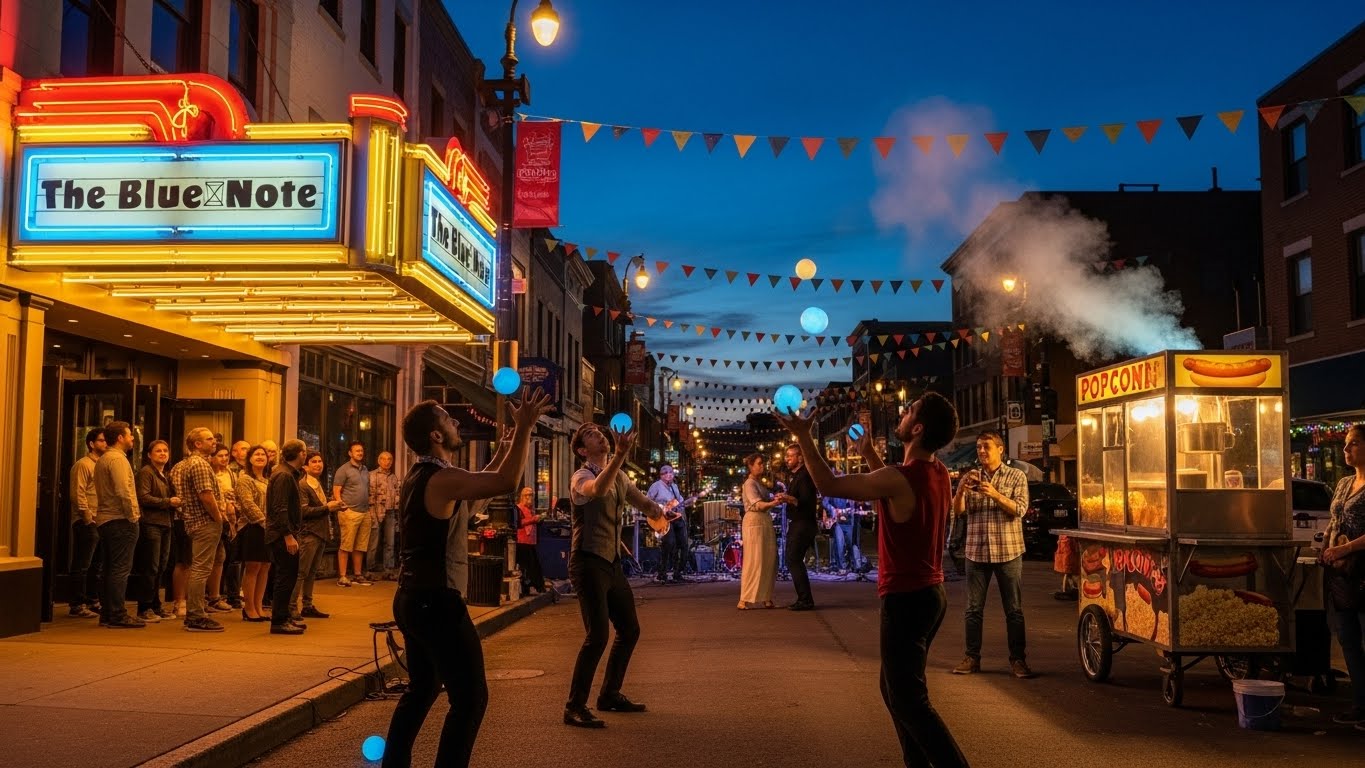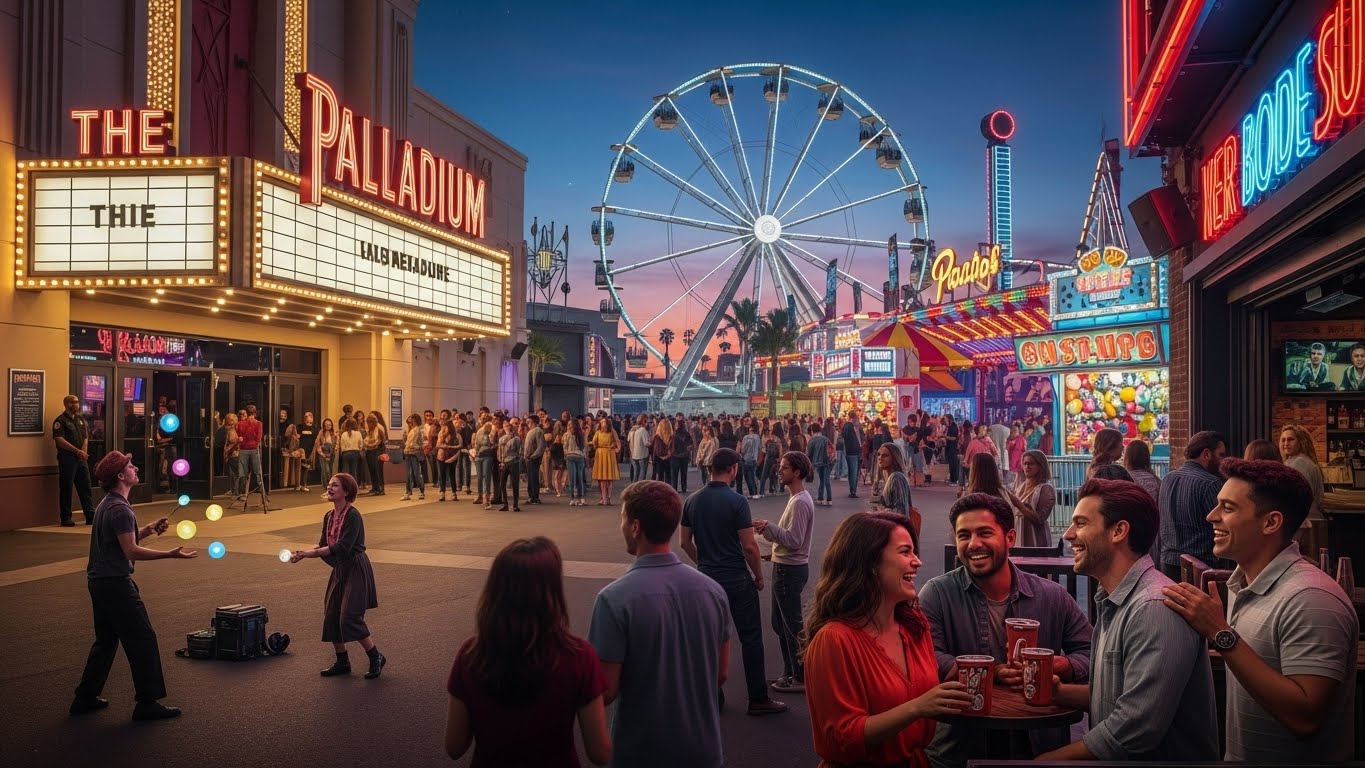

Entertainment is one of the oldest and most influential aspects of human civilization. It is the soul of human expression, a universal language that transcends borders, cultures, and generations. From the primitive fire-lit gatherings where stories were shared, to the massive streaming platforms that dominate the digital era, entertainment has always evolved alongside humanity. It reflects who we are, what we believe, and what we dream of becoming. In today’s world, entertainment has grown into a multi-trillion-dollar global industry that touches every corner of our lives. It defines how we relax, how we connect, and even how we think.
In this blog, we explore the fascinating journey of entertainment, its different forms, its transformation through technology, and its impact on culture and society. We’ll look into how movies, music, gaming, television, and digital media have evolved over the decades and continue to shape our identities in ways both profound and subtle.
The Origins of Entertainment
The history of entertainment stretches back to the dawn of humanity. In ancient times, storytelling was the primary source of amusement, education, and cultural preservation. Early humans gathered around fires to share myths, legends, and experiences through voice, gesture, and rhythm. Music and dance followed naturally, providing emotional release and community bonding.
As civilizations developed, entertainment became more organized. Ancient Egyptians enjoyed theatrical performances and festivals; Greeks created dramatic arts that explored tragedy and comedy, while Romans built massive amphitheaters for gladiatorial contests and chariot races. In Asia, forms like Chinese opera and Japanese Kabuki emerged as cultural pillars of entertainment that combined music, costume, and storytelling.
The invention of written language added a new dimension to entertainment. Literature became a powerful form of escapism and reflection. Epics like the “Iliad,” “Mahabharata,” and “The Tale of Genji” captivated audiences for centuries, offering lessons about heroism, love, and morality. Entertainment, even then, was not just about amusement—it was about connection, culture, and understanding the human condition.
The Birth of Modern Entertainment
The modern age of entertainment began with the industrial revolution and the rise of technology. In the 19th century, photography and recorded sound revolutionized art and performance. The invention of cinema in the late 1800s changed everything. For the first time, people could experience moving images that told stories visually. Silent films like those of Charlie Chaplin and Buster Keaton introduced humor, pathos, and human expression in ways words could not capture.
When sound was added to film, it birthed the “talkies” era, marking the beginning of Hollywood’s golden age. The movie industry became a global phenomenon, producing stars and icons whose influence extended far beyond the screen. By the mid-20th century, entertainment had entered people’s homes through television, creating shared experiences that brought families together.
The 20th century also saw the rise of popular music as a defining form of entertainment. From jazz to rock, pop to hip-hop, each era had its soundtracks that defined cultural identity. Musicians became symbols of rebellion, romance, and revolution. Music was no longer just sound—it became emotion, expression, and social movement.
The Digital Transformation of Entertainment
The digital revolution of the late 20th and early 21st centuries completely redefined entertainment. The internet, streaming platforms, social media, and gaming created an interconnected world where content was available anytime, anywhere.
The shift from physical media to digital distribution changed everything. Once, people owned DVDs, records, and cassettes. Now, they stream movies, music, and shows with a single click. The democratization of content allowed creators to reach global audiences without traditional barriers. Independent artists, YouTubers, and influencers rose to fame through digital platforms, redefining celebrity culture.
Video streaming services gave viewers control over what to watch and when to watch it. The concept of “binge-watching” became part of popular culture, as entire seasons of shows could be consumed in one sitting. Traditional television struggled to keep up with the on-demand culture.
Gaming also became a dominant force in digital entertainment. What began as simple arcade machines evolved into complex interactive experiences powered by advanced graphics and storytelling. Games today rival movies in both budget and creativity. Esports emerged as a new form of entertainment, turning gaming into a spectator sport watched by millions around the world.
The digital age blurred the line between creator and audience. Social media platforms like Instagram, TikTok, and others gave everyone a stage. The audience could now become part of the entertainment itself, influencing trends and shaping popular culture.
Movies and Television: The Storytelling Giants
Cinema and television remain two of the most powerful forms of entertainment. Movies transport audiences to worlds both real and imaginary, combining visual artistry, music, performance, and storytelling into a unified experience. Over the decades, film has evolved from simple silent reels to sprawling cinematic universes.
Hollywood, Bollywood, and other global film industries have shaped generations. Movies like “Titanic,” “Star Wars,” “The Godfather,” and “Avengers” are more than stories—they are cultural milestones that unite people across languages and borders. Cinema has the unique power to evoke emotions, provoke thought, and reflect social realities.
Television, once limited to a few channels, has grown into an endless landscape of content. The rise of streaming platforms has redefined how TV shows are produced and consumed. Prestige series like “Breaking Bad,” “Game of Thrones,” and “The Crown” showcase how television has become as artistically rich as film. The serial format allows for deeper character development and complex storytelling that movies cannot always offer.
Today, entertainment on screen is more diverse than ever. Global audiences now consume content from multiple cultures—Korean dramas, Spanish thrillers, Japanese anime, and Indian web series. This global exchange enriches creativity and broadens understanding among different societies.
Music: The Soundtrack of Humanity
Music is one of the most universal and powerful forms of entertainment. It transcends language, geography, and time. Whether it’s a tribal drumbeat, a classical symphony, or an electronic dance track, music resonates deeply with the human soul.
The evolution of music mirrors the evolution of technology. The invention of the phonograph allowed people to experience recorded music for the first time. Radio brought music into every home. The rise of records, tapes, and CDs defined generations of listeners.
Today, digital streaming has made music more accessible than ever before. Artists can reach millions of listeners globally without the need for record labels. Genres blend freely, and new styles are born from the fusion of cultures. From pop icons to indie creators, the musical landscape is vast and ever-changing.
Music festivals, concerts, and live performances remain vital experiences. They create communal joy and energy that no digital experience can replace. The emotional connection between performer and audience is what makes music timeless.
Beyond entertainment, music also influences emotion, behavior, and identity. It helps people express feelings that words cannot convey. It heals, motivates, and unites. In a world full of noise, music remains the most beautiful form of harmony.
Gaming: The Interactive Revolution
Gaming has evolved from a niche hobby to one of the biggest entertainment industries on the planet. It has transformed how people play, interact, and compete. Early games like Pong and Pac-Man started a cultural shift that grew with consoles such as the Atari, Nintendo, and PlayStation.
Today, video games are cinematic experiences in themselves, complete with complex narratives, lifelike graphics, and emotional depth. Games like “The Legend of Zelda,” “The Last of Us,” and “Elden Ring” have shown that storytelling in games can be as powerful as in films or novels.
Multiplayer and online games have turned entertainment into a social experience. Players across the world connect in virtual spaces, forming friendships and rivalries. The rise of esports has created professional gaming leagues where players compete for fame and fortune, watched by millions of fans.
Virtual reality (VR) and augmented reality (AR) are pushing gaming further into the realm of immersion. Players can now step inside worlds and experience them firsthand. The future of gaming will likely blend physical and digital realities even more seamlessly.
The Influence of Celebrity Culture
Entertainment and celebrity are inseparable. Since the early days of film and music, stars have fascinated audiences with their talent, charisma, and glamour. From Marilyn Monroe to Beyoncé, from Elvis Presley to Taylor Swift, celebrities have shaped fashion, language, and even values.
In the digital era, fame has become decentralized. Social media influencers, YouTubers, and streamers can achieve global recognition without traditional industry gatekeepers. The definition of celebrity has expanded to include gamers, comedians, educators, and even ordinary people with extraordinary stories.
However, celebrity culture also has a darker side. The pressure of constant attention, public scrutiny, and online criticism can take a toll on mental health. The line between personal life and public image has blurred. Yet, despite its complexities, celebrity culture remains an integral part of entertainment’s allure—because it reflects our collective fascination with talent, beauty, and success.
The Role of Technology in Shaping Entertainment
Technology has always driven the evolution of entertainment. The camera, the microphone, and the computer each revolutionized how we create and consume content. The internet brought interactivity and accessibility to the forefront. Artificial intelligence and data analytics are now transforming how entertainment is produced and personalized.
Streaming algorithms suggest shows based on viewing habits. AI tools assist in writing scripts, composing music, and editing films. Virtual production techniques create breathtaking scenes without physical sets. Even audiences have become part of the creative process through real-time feedback and engagement.
The next frontier of entertainment will likely involve deeper integration between humans and machines. Virtual concerts, AI-generated actors, and fully interactive storytelling are no longer science fiction—they are emerging realities.
The Cultural and Psychological Impact of Entertainment
Entertainment is more than amusement; it’s a mirror of society. Movies, music, and games reflect our dreams, fears, and identities. They challenge norms, spark conversations, and inspire change.
Cultural movements have often been driven by entertainment. Films like “Black Panther” and “Parasite” reshaped perceptions of race and class. Songs like “Imagine” or “We Are the World” promoted unity and peace. Entertainment can also provide an escape from daily struggles, offering comfort and catharsis.
Psychologically, entertainment fulfills deep emotional needs. It allows people to experience joy, empathy, suspense, and awe in safe environments. It can educate as much as it entertains. The stories we consume often shape how we view the world and ourselves.
The Future of Entertainment
The future of entertainment will be immersive, personalized, and limitless. Artificial intelligence will tailor content to individual preferences. Virtual reality will transport audiences into fully interactive experiences. The boundaries between the real and the digital will fade, creating new forms of expression and connection.
Social entertainment will grow, with communities forming around shared interests. Live experiences will continue to thrive as people crave genuine human connection amid digital saturation. Sustainability and inclusivity will also guide future entertainment, ensuring diverse voices and eco-friendly production methods.
Ultimately, the future will not replace traditional entertainment—it will expand it. Storytelling will remain at the heart of it all, evolving with each new medium and technology.
Conclusion
Entertainment is not just an industry—it is the heartbeat of human experience. It connects people across generations, languages, and cultures. From ancient storytellers to digital creators, from live performances to immersive virtual worlds, the essence of entertainment remains the same: to inspire, to express, and to unite.
As technology continues to evolve, so will the ways we entertain ourselves. But the core purpose will never change—to make us feel alive, to make us dream, and to remind us of our shared humanity. Entertainment, in all its forms, will continue to be the most powerful reflection of who we are and who we aspire to be.